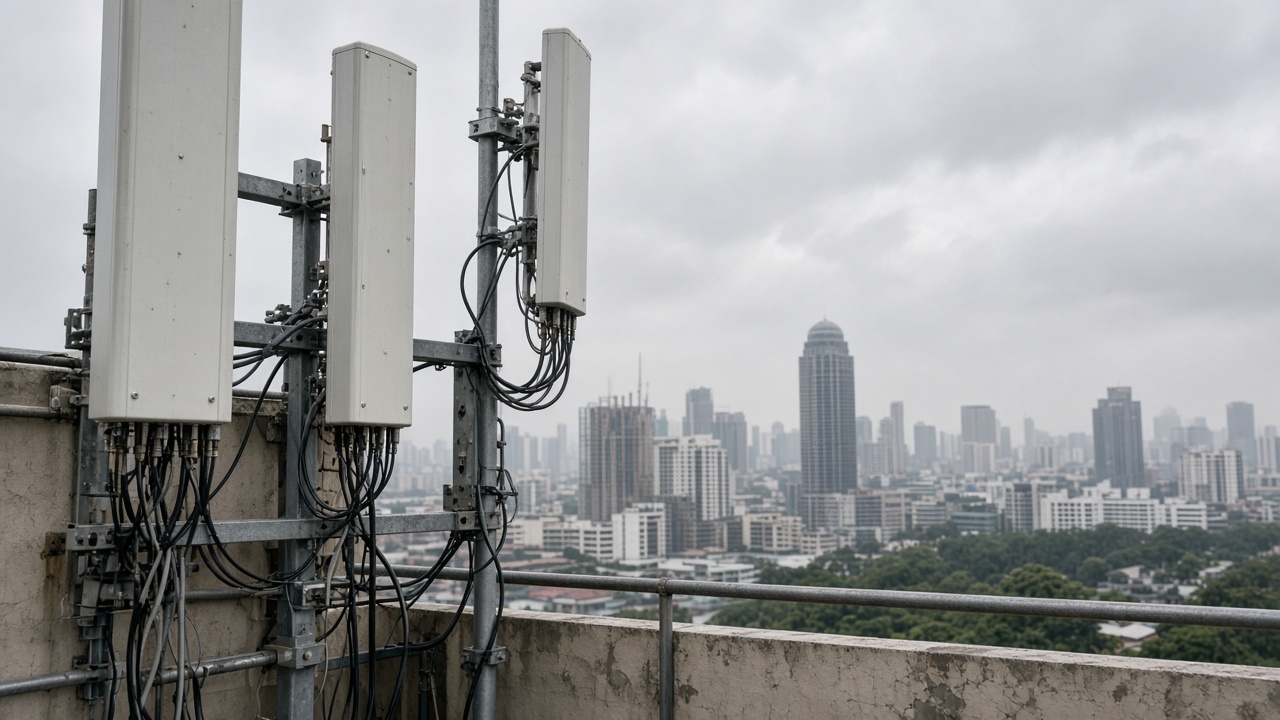
Keppel Ltd confirmed on 23 September that it is in discussions with StarHub about a potential transaction involving M1, putting Singapore’s smallest nationwide mobile network back in play after a 2025 sale process to Simba collapsed and left Keppel holding a loss-making telco inside its non-core divestment bucket.
Where M1 sits in Keppel’s portfolio
Keppel classifies M1 under its Non-Core Portfolio for Divestment, a bucket the group wants substantially monetised by 2030. The telco dragged first-half 2026 results: Keppel reported the non-core portfolio lost S$375 million in the six months to June, weighed by legacy rig impairments and costs tied to the terminated Simba deal. A successful exit would not erase those sunk charges, but it would stop new capital calls for 5G densification and customer-acquisition subsidies that listed conglomerates increasingly treat as non-strategic.
StarHub’s interest reopens a consolidation story Singapore regulators have scrutinised before. A combination would reduce the number of full mobile network operators from four to three, meaning the Infocomm Media Development Authority and the Competition and Consumer Commission would likely demand remedies on spectrum, wholesale access, or retail pricing. Temasek is a controlling shareholder of StarHub and holds a large stake in Keppel, which complicates the politics even if deal terms are arm’s length.
Why Simba’s exit still echoes
When Simba withdrew last year, investors asked whether Singapore’s fourth entrant had permanently capped the price any strategic buyer would pay. M1’s subscriber base and fibre backhaul still have utility for a quad-play retailer, but margins on mobile plans have compressed under SIM-only competition and roaming bundles. StarHub may value M1’s network assets to lower per-gigabyte costs or to bundle enterprise connectivity with its consumer brand, yet integration spending would land on StarHub’s balance sheet immediately while synergies would take years.
Analysts on the Singapore desk note that Keppel’s concurrent moves—Mapletree Logistics asset sales and Seatrium’s enlarged buyback—show a group trying to fund growth in energy and infrastructure while shedding consumer telco drag. A StarHub deal could be structured as cash, shares, or a mix; the structure will signal how urgently Keppel wants liquidity versus how much upside it believes remains in mobile.
Market and regulatory clock
Shares in both issuers are widely held in CPF-invested portfolios through the STI and mid-cap indices, so any definitive agreement would trigger immediate questions on dividend policy. StarHub investors may worry about added debt; Keppel investors may reward certainty even at a modest premium to book. Regulators will want clarity on whether MVNO partners and enterprise contracts face change-of-control clauses.
Until a binding announcement lands, the actionable news is narrower: Keppel has a live dance partner again, and the government’s four-player mobile market assumption may be tested before the year ends. Watch filing deadlines on the Singapore Exchange, any IMDA consultation papers, and whether third parties—Singtel or a private-equity tower buyer—file rival indications. For households, the near-term bill is unchanged; the corporate story is whether Singapore’s industrial champions can still find buyers for legacy consumer assets without fire-sale discounts.