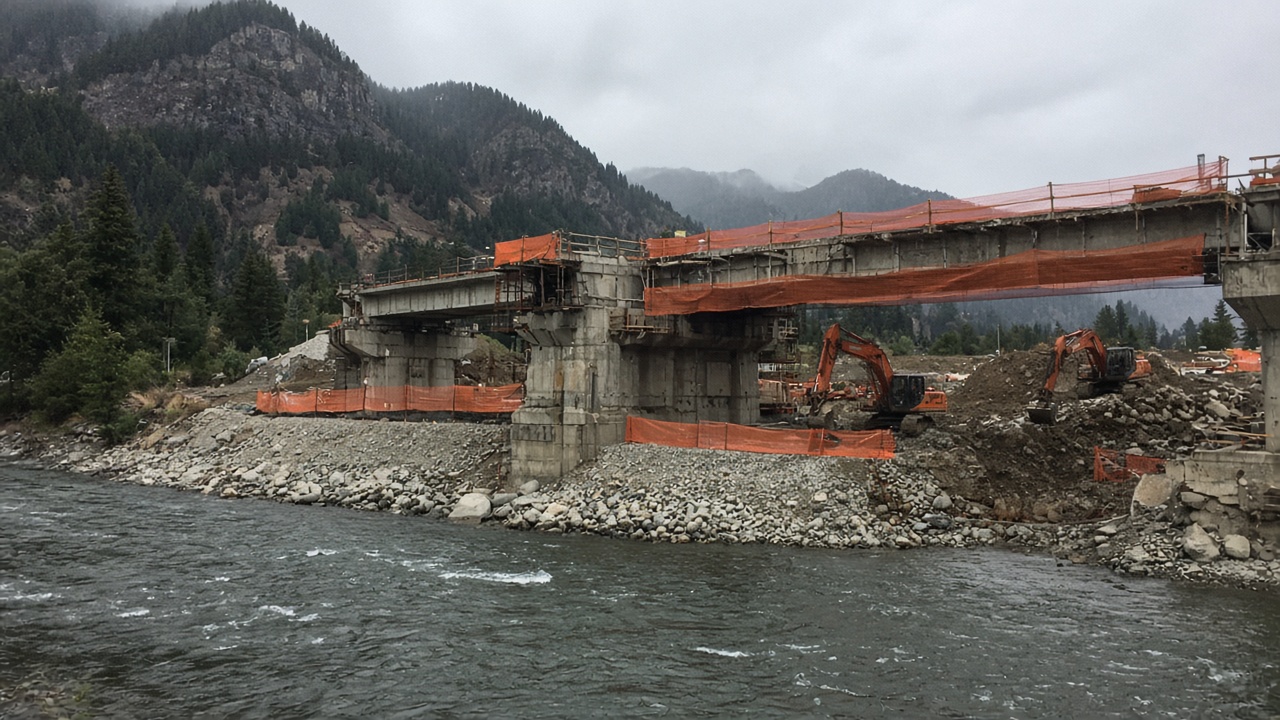
Kuomintang legislative caucus leaders opened October by promising granular review of Hualien reconstruction spending embedded in the Executive Yuan’s NT$607.6 billion supplemental budget, a politically delicate task because caucus convener Fu Kun-chi’s district includes the Matai’an River corridor where an additional NT$70 billion is proposed.
Why Hualien lines draw fire
China Times reported that lawmakers already approved NT$270 billion in dedicated Matai’an recovery funding, yet the new supplemental package layers another NT$70 billion with overlapping land-acquisition and river-training items. Opposition researchers say they must flag duplicate appropriations without giving ruling-party ads a chance to claim the KMT is blocking disaster recovery.
Executive Yuan officials counter that the fresh lines finance permanent bridge work and upstream stabilization that the earlier special budget only partially covered. Budget Bureau briefings sent to the legislature last week included Gantt charts showing contractors aiming to restore full traffic on the permanent span by late 2027.
Caucus strategy
Party whips told InfoHandle Network that committee hearings will separate Hualien capital projects from unrelated supplement chapters such as energy subsidies and civil-service allowances. The goal is to let Hualien delegates vote for reconstruction while the national caucus challenges items it considers padded.
The approach mirrors earlier fights over drone procurement statutes, when caucuses moved votes ahead of typhoon landfalls so members could return to flooded southern districts. Focus Taiwan coverage of those debates showed how disaster politics compresses legislative calendars even when the underlying policy is defense hardware rather than river rock armor.
Local stakes
Hualien merchants say delayed bridge work keeps heavy trucks on detours, raising logistics costs for taro and tourism operators still rebuilding after 2024’s offshore quake. County officials want the supplemental funds released before the next rainy season, while auditors demand line-item maps showing which contracts sit in the old NT$270 billion bucket versus the new request.
For Fu, the scrutiny is personal: approving the entire supplement uncritically would undercut his party’s claim to fiscal discipline, but deep cuts risk alienating constituents who measure recovery in reopened roads rather than parliamentary rhetoric.
What happens next
Committee chairs scheduled joint sessions with the Directorate-General of Budget, Accounting and Statistics to reconcile project codes before floor debate. If negotiators cannot deduplicate entries, watch for a split vote: reconstruction lines passing with bipartisan support while rebate chapters face roll-call fights that could still sink the overall package.