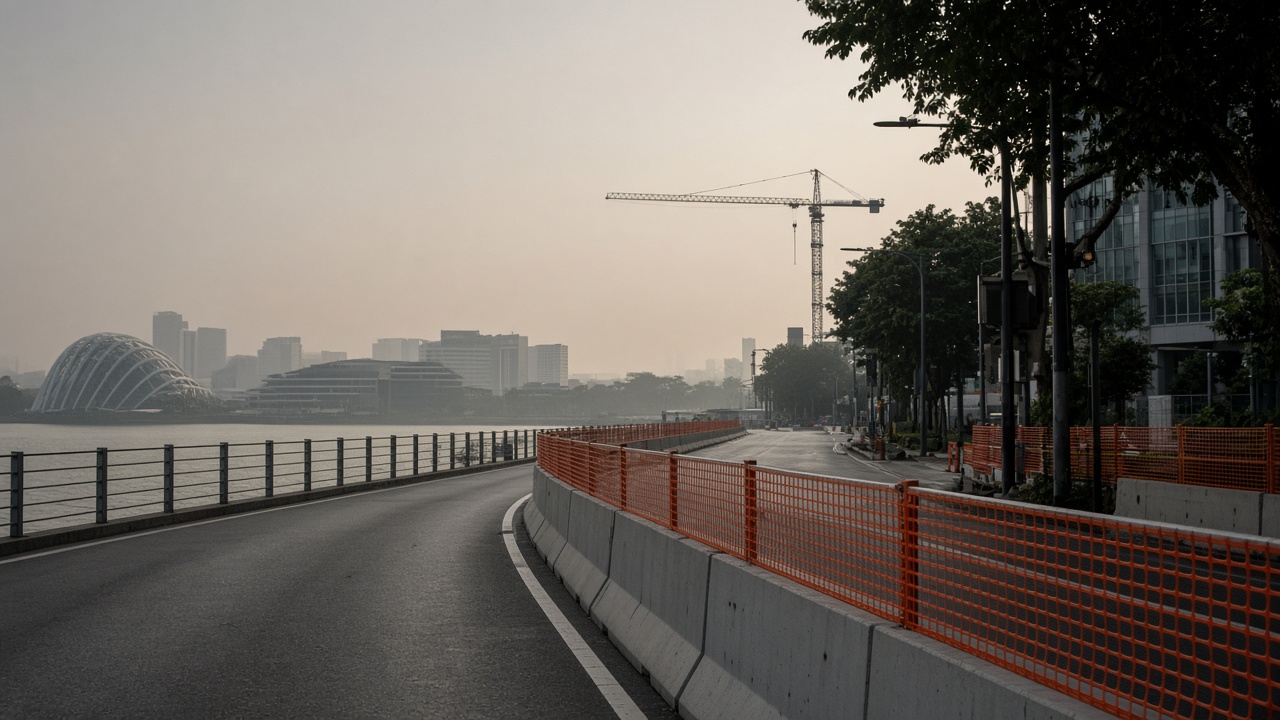
Work crews began locking concrete barriers and fencing along Nicoll Highway and Marina Centre this week as Singapore prepares to host its first Formula 1 sprint weekend from 9 to 11 October. The street circuit’s 4.927-kilometre layout will close in stages, sending office workers onto alternate bus routes and giving residents their last few evenings of unobstructed views across the bay before grandstands rise.
Economic spillover
Hotels tracked by the Singapore Tourism Board typically see occupancy spikes during race week even when regional travel is soft. Retailers along Raffles Place are stocking F1-themed merchandise earlier because sprint qualifying on Friday night overlaps with after-work shopping hours, a scheduling clash unique to this year’s format.
New sprint timetable
Formula One’s published schedule shows only one traditional practice session on Friday, paired with sprint qualifying at night, followed by the sprint race and main qualifying on Saturday. Sunday’s grand prix still runs 62 laps under floodlights, preserving the night-race identity Singapore has held since 2008. Organisers say the sprint format compresses track action for fans but doubles the number of competitive sessions that can disrupt rush-hour traffic.
City life during build-up
Hotels inside the circuit zone have sold packages tying room keys to pit-lane walks, while hawkers and bars along the bay plan late openings even before the concerts at The Padang begin. Land Transport Authority detours will appear on MyTransport.SG as lanes shrink; motorists should expect Benjamin Sheares Bridge and Esplanade Drive closures to cascade into Tanjong Pagar and Rochor. Noise rehearsals for jet flypasts and concert sound checks already ripple through high-rise flats that normally hear only traffic hum.
For ticket holders and neighbours
Spectators with bay grandstand seats should prepare for humidity and passing showers; teams will switch between wet and dry compounds quickly on a sprint weekend with limited practice data. Residents without tickets still get engine howl through open windows—a reminder that the event is as much urban logistics as sport. Parking coupons in the central business district will spike, and ride-hailing surcharges follow when exits close after midnight sessions.
Economic spillover
Hotels tracked by the Singapore Tourism Board typically see occupancy spikes during race week even when regional travel is soft. Retailers along Raffles Place are stocking F1-themed merchandise earlier because sprint qualifying on Friday night overlaps with after-work shopping hours, a scheduling clash unique to this year’s format.
When the barriers are bolted down, the city enters a nine-day rhythm part marina, part pit lane. Singapore has hosted the race for nearly two decades, but 2026 is the year the sprint format turns Monday-morning commutes into a strategic variable.