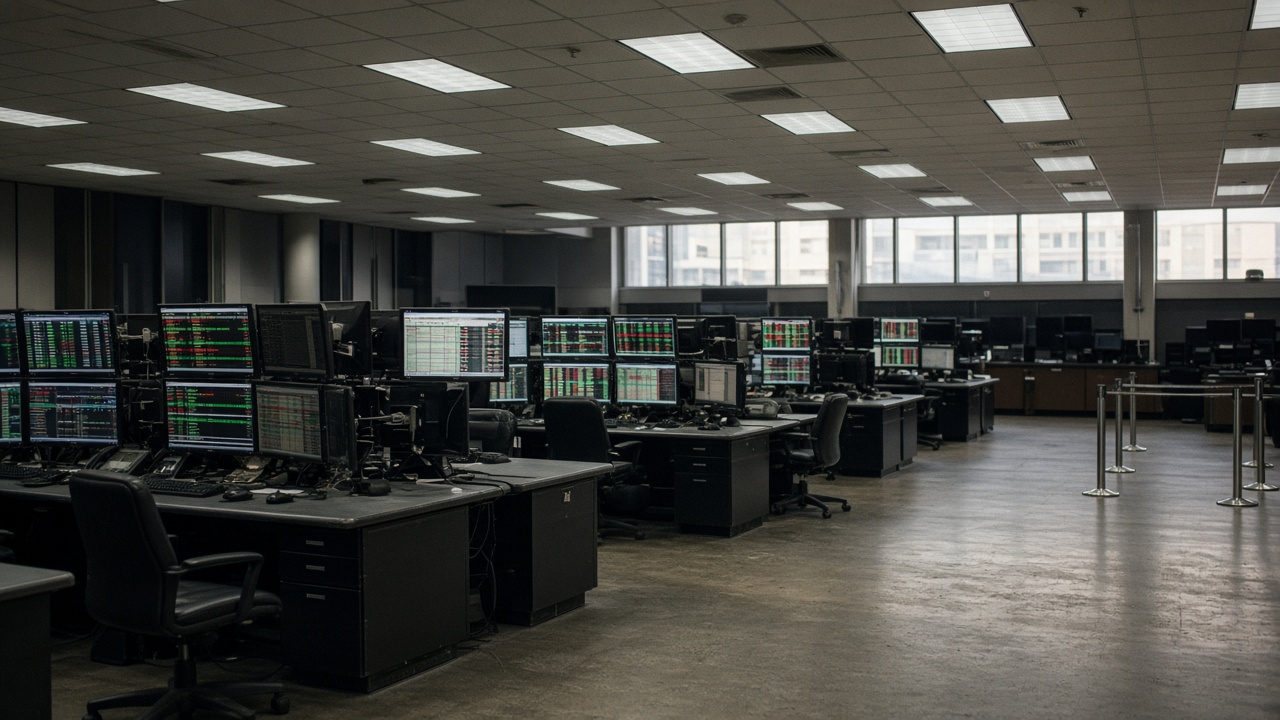
Australian share futures implied the S&P/ASX 200 would open about 0.3 per cent higher on Monday after the index added 0.7 per cent on Friday, a calm start to the week that belied anxiety in global bond markets where hedge-fund repo borrowing and Middle East oil risk kept risk teams on alert. Sydney investors returned from the long weekend in several states with one eye on SPI contracts and the other on US Treasury volatility that the Reserve Bank warned could spill into local superannuation portfolios.
Why bonds still matter here
The RBA’s October Financial Stability Review devoted pages to rising government bond yields and record hedge-fund participation in repo markets, noting US hedge-fund repo debt above $US3 trillion. For Australian funds that run duration in fixed income sleeves, a disorderly selloff overseas can tighten liquidity in local futures even when the cash rate is already at 4.60 per cent. Equity strategists said miners and banks would again set the tone if oil prices stay elevated.
Friday’s gain was broad enough that defensives did not entirely dominate, suggesting domestic investors were willing to buy the dip after Tuesday’s unanimous rate hike. Still, several brokers circulated notes warning clients that November’s board meeting remains “live” if trimmed-mean inflation prints near one per cent for the September quarter.
Sector setup
Materials names remain tied to iron ore and LNG pricing; energy exporters could benefit if Brent stays above budget assumptions while importers face margin pressure. Major banks trade as proxies for mortgage stress: the RBA said most borrowers remain well placed, but housing prices fell 1.1 per cent nationally in September, the sixth monthly decline. That path matters for credit growth and provisioning, even if bad-debt charges stay benign for now.
Technology and healthcare small caps, which led speculative bursts earlier in the year, may lag if bond yields rise again. Fund managers interviewed by InfoHandle said they were trimming illiquid positions into the open rather than adding risk ahead of overseas inflation prints.
Flows and positioning
Foreign investors have been selective in Australian equities, favouring dividend-heavy miners over domestic consumer names exposed to mortgage repricing. Super funds rebalanced after the rate hike, with some default MySuper options nudging members toward cash for older cohorts. Retail traders on low-cost platforms remain active in lithium and rare-earth names, though volumes typically dip on long weekends.
Short interest in several consumer discretionary stocks ticked higher in September data, a signal that some funds expect household spending to soften into Christmas. Conversely, insurers with catastrophe exposure saw buy recommendations after a relatively quiet spring storm season on the east coast.
Calendar cues
Locally, attention turns to company trading updates and any guidance shifts after FY26 reporting seasons. Globally, US labour and inflation releases still drive overnight futures. The ASX has no major index changes this week, but several large caps go ex-dividend, which can mechanically weigh on the price index even when sentiment is firm.
Options markets implied muted intraday swings for Monday, consistent with a wait-and-see mood. If SPI gains hold through the first hour, analysts expect rotation from defensives into banks on the view that net interest margins have stabilised post-hike.
What would change the call
A sharp overnight move in US 10-year yields would likely overwhelm the modest positive SPI signal. Conversely, a cooperative bond session plus steady iron ore could extend Friday’s rally into a second day. For now, the base case is a firmer open with fragile confidence—exactly the environment the RBA described when it said global financial threats continue to mount even as Australian banks look resilient.