Andrew Mountbatten-Windsor has opened a legal front against Thames Valley Police, challenging the search warrants officers used at Sandringham and Royal Lodge on the Windsor estate in the hours before his arrest on 19 February. The move, confirmed by the force on Monday, is the first formal pushback from the former prince since King Charles stripped his titles and police detained him on suspicion of misconduct in public office following disclosures in U.S. Justice Department Epstein files.
What the court will examine
Mountbatten-Windsor’s lawyers are seeking a judicial review of warrants issued at the Central Criminal Court on 18 February—one day before officers took him into custody on his sixty-sixth birthday. The claim names both the chief constable of Thames Valley Police and the Central Criminal Court as respondents. A hearing is listed for Thursday afternoon and will begin in private while the judge considers a police request to keep some material confidential.
Thames Valley Police said in a statement that it is “engaged in legal proceedings in relation to warrants previously obtained from the Central Criminal Court” and declined further comment while the case is active. The force stressed that its wider investigation continues and that detectives remain in contact with U.S. authorities for information that may bear on the inquiry, which could include allegations of sexual misconduct alongside the public-office charge.
What the warrants unlocked
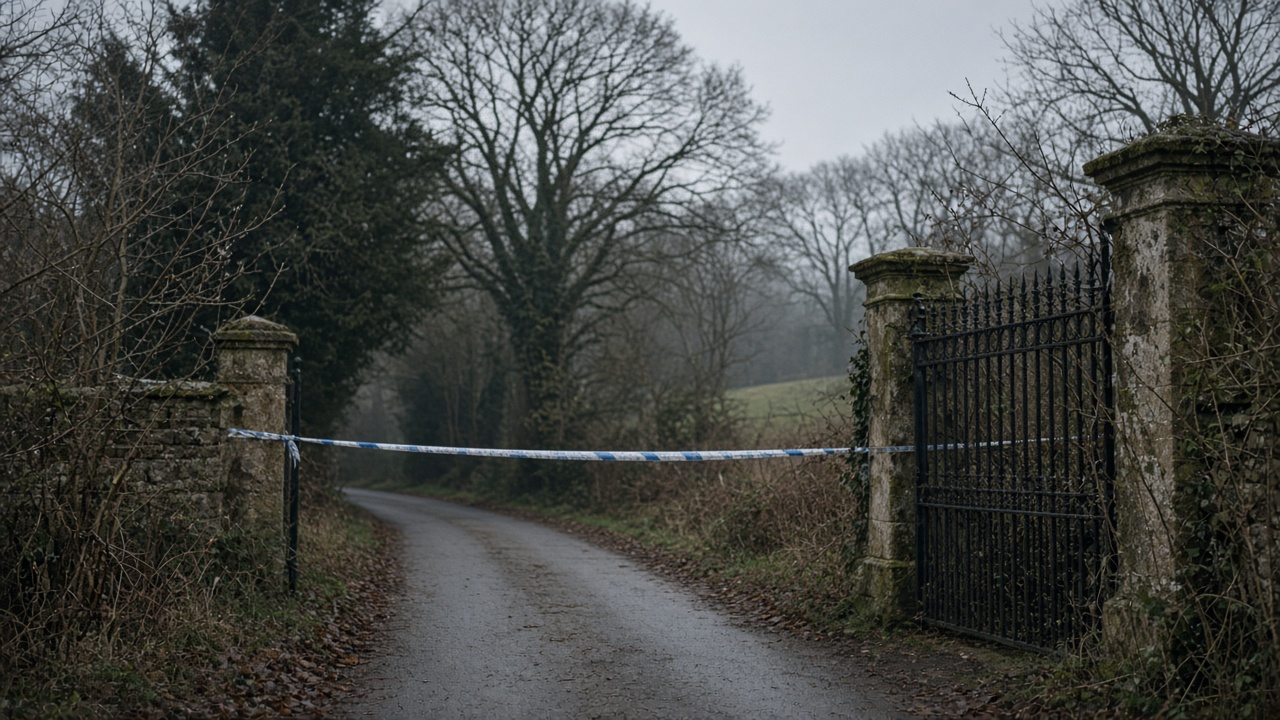
For several days after the arrest, officers were seen searching Marsh Farm at Sandringham and Mountbatten-Windsor’s former home at Royal Lodge. The Epstein document releases included emails that appeared to show official papers shared by Mountbatten-Windsor while he served as the United Kingdom’s trade envoy, reviving scrutiny of contacts he had said were severed years earlier. He has consistently denied wrongdoing in his association with Epstein, who died in 2019 while awaiting trial on sex-trafficking charges.
Criminal lawyer Nick Vamos of Peters & Peters, a former head of special crime at the Crown Prosecution Service, told the BBC that disputes over warrant paperwork are common and that quashing a warrant on a technical flaw would not automatically undo an investigation. Police can sometimes apply to retain seized material if they believe grounds for seizure remain, Vamos said; only a more fundamental defect in how a warrant was granted would force the return of evidence.
Where the investigation stands
Mountbatten-Windsor was released under investigation after a day at Aylsham police station; a photograph of his exhausted departure became one of the defining images of the case. Charities and businesses have since distanced themselves, and he no longer holds the style of prince or Duke of York. The warrant challenge does not suspend the misconduct inquiry, but it could delay or reshape what prosecutors eventually see if judges rule that searches overstepped what the February authorisations allowed.
Westminster attention will focus on Thursday’s preliminary session, where the court must balance transparency against police claims that disclosure would harm an active probe cooperating with the U.S. Department of Justice. For the former prince, success on the warrant question would be a procedural win, not an acquittal—but it would mark the first time his team has forced the police narrative back into court since the arrest shook the monarchy’s standing in February.