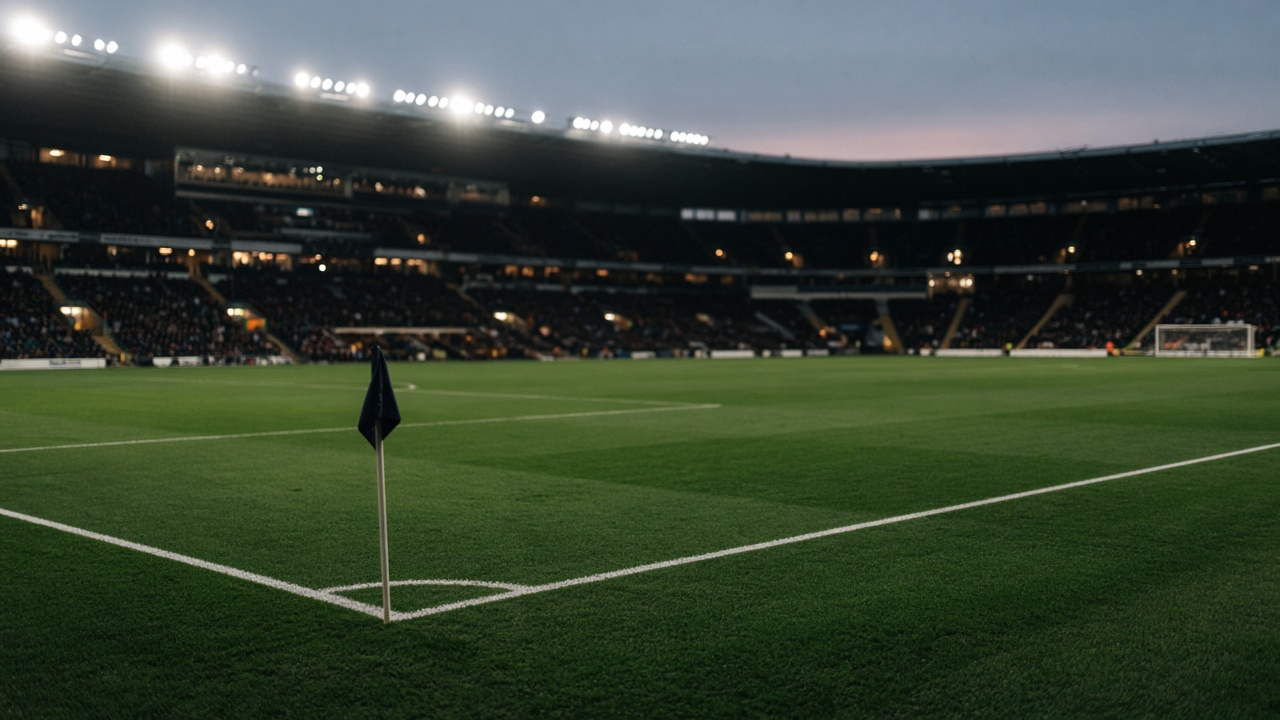
Opta analysts flagged a striking home-away pattern after five Premier League matchweeks of the 2026–27 season: home teams have won only 20% of fixtures, while draws account for 32% of results, the highest share on record.
The league's official analysis, published on 3 October, said away victories have not replaced home wins; instead more matches are ending level. Matchweek four produced a single home victory—Leeds United's 4–1 win over Newcastle United—while four of the other nine fixtures finished as draws.
Comebacks and tempo changes
The same report noted an uptick in comeback wins, with teams increasingly overturning deficits rather than protecting early leads. Refereeing directives aimed at speeding restarts also show up in the data: throw-ins average 16.4 seconds this season versus 17.8 last term, and goal-kicks are being taken faster than any prior season on record.
Set-piece shooting efficiency is elevated as well, with seven of 40 direct free-kick attempts scored through five matchweeks, a conversion rate analysts tied to the highest in a single campaign since 2013–14. Those micro-trends help explain why matches feel more open even when the scoreline stays tight.
What it means for the table
Managers chasing European places may welcome extra away points, but coaches at traditional fortresses complain that crowd energy is not translating into three-point hauls. Leeds ended a long unbeaten home run only after Tottenham left Elland Road with a deflected 2–1 win earlier in the campaign, a result that fit the broader pattern of tight scorelines decided by fine margins.
With no league fixtures on Monday 5 October, clubs turn to international breaks and midweek European games before the next domestic slate on 10 October, when Arsenal host Leeds and Manchester United face Tottenham.
How fans should read the numbers
Small-sample records can fade as weather and fixture congestion change, but five matchweeks is enough for betting markets and fantasy players to adjust expectations. A draw-heavy environment rewards squads with deep benches and set-piece specialists, while high-pressing home teams may need new plans if crowds cannot squeeze opponents the way they did a decade ago.
For now, the Premier League's headline is not a single club crisis but a league-wide tilt toward shared points—good for drama, frustrating for anyone expecting fortress atmospheres to dominate autumn.
European fixtures and squad rotation
Clubs in Champions League action this week may rotate line-ups before the 10 October domestic round, which could temporarily distort home-win percentages if star players rest. Coaches already managing European travel said the draw trend reflects tighter squad depth across the league rather than a permanent collapse of home advantage.
Expected-goals models still show some home sides creating chances without converting, suggesting finishing variance rather than purely defensive away tactics. If conversion rates normalise, the draw share could fall even without rule changes, but bettors should price the current sample until at least ten matchweeks are complete.