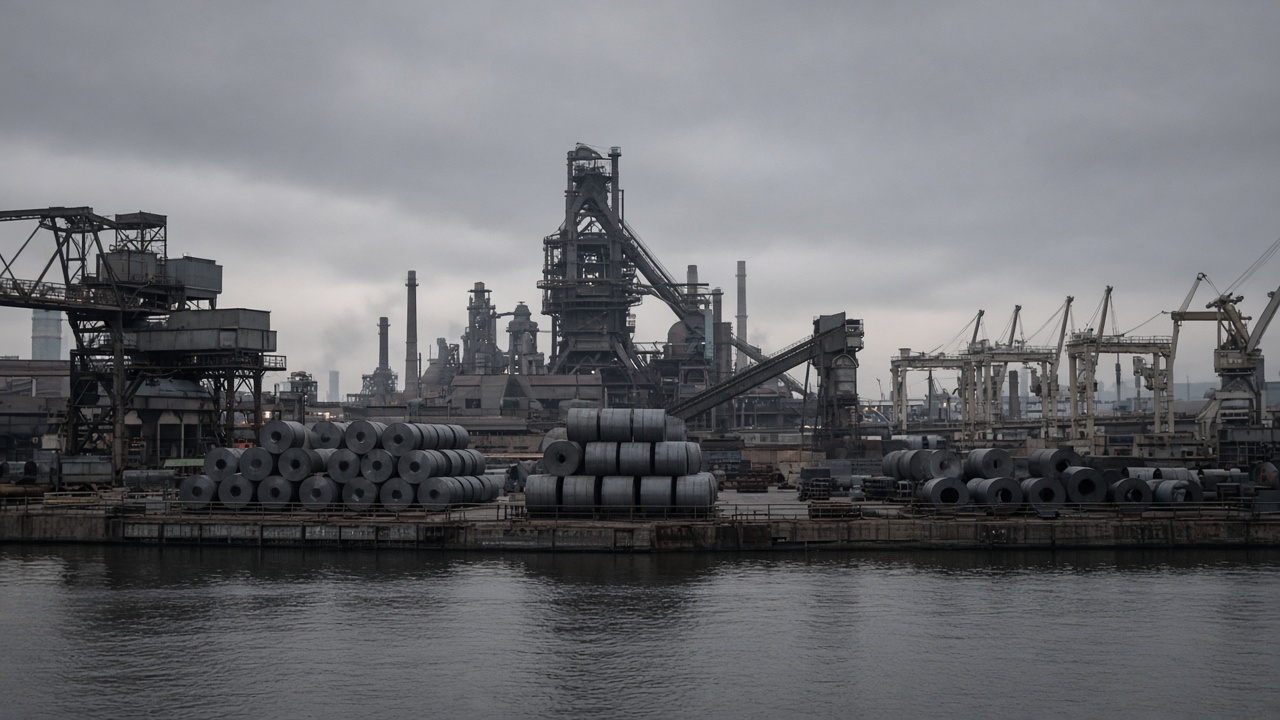
POSCO Holdings told investors Sunday that stainless output at its Ulsan complex is climbing back toward pre-holiday run rates after a Gaecheonjeol turnaround that idled one blast furnace route for refractory work and conveyor maintenance. The restart matters for Korean appliance exporters that source cold-rolled stainless domestically when nickel premiums spike on the London Metal Exchange, and for shipbuilders in the same industrial belt that book plate through POSCO’s integrated mills.
What the turnaround covered
Maintenance crews used the three-day exchange holiday window to reline a furnace throat and replace a sinter feed belt that had triggered unplanned slowdowns in late September. POSCO said the work was scheduled before Gaecheonjeol so downstream coil centers could draw inventory from Pohang and Gwangyang during the pause. Stainless lines that depend on imported ferronickel saw fewer feed interruptions than during last year’s Chuseok shutdown, when a typhoon delayed bulk carriers at Ulsan anchorage.
Export planners briefed InfoHandle that October shipment letters of credit from Vietnamese white-goods assemblers held steady, a contrast to summer when European destocking cut stainless orders. Domestic construction demand remains soft, but elevator and escalator makers in Gyeonggi still pull 300-series sheet for premium residential towers.
Cost and pricing backdrop
Nickel cash prices eased modestly in the week before the holiday as Indonesian supply talks progressed, giving POSCO room to keep surcharge tables unchanged for October domestic contracts. Traders in Yeouido said stainless spot offers in Busan warehouses ticked up only slightly, reflecting mill discipline rather than shortage panic. Won strength against the dollar on the last trading day before the KRX closure also trimmed dollar-denominated ore invoices.
Competitors including Hyundai Steel and Dongkuk Steel focus more on carbon sheet; POSCO’s stainless franchise still anchors Korea’s specialty export story. Analysts at a Seoul brokerage said third-quarter stainless margin commentary during the upcoming earnings season will hinge on whether nickel input costs stay below summer peaks.
Labor and safety
The turnaround proceeded without the strike notices that shadowed POSCO’s wage talks earlier in the year. Union representatives said holiday overtime was voluntary and capped, while management highlighted drone inspections that shortened scaffold time near the furnace mouth. Regulators from the Ministry of Employment and Labor visited mid-week to review hot-work permits, a routine check after a minor burn incident at a contractor firm in August.
Environmental monitors recorded particulate readings within municipal limits during the restart ramp, though civic groups in Ulsan asked for public dashboards when multiple furnaces fire simultaneously after long pauses.
What buyers watch next
Appliance makers want confirmation that October coil allocations match September letters of intent; any slip would push them toward Japanese or Chinese mills despite freight. Shipyards are less exposed this quarter as LNG carrier orders slow, but stainless pipe for offshore modules still routes through Ulsan service centers.
POSCO shares last traded before the KRX holiday alongside a broader materials bounce tied to memory-chip supply chains; stainless fundamentals move on nickel and export orders more than on Seoul tech sentiment. The company’s next operational update is expected after Tuesday’s market reopen, when investors can compare mill run-rate disclosures with peer steelmakers reporting maintenance schedules of their own.
For Ulsan residents, the restart means familiar night-shift traffic returning along the industrial waterfront—a local signal that the holiday pause ended even while the stock exchange remained closed for National Foundation Day observances.