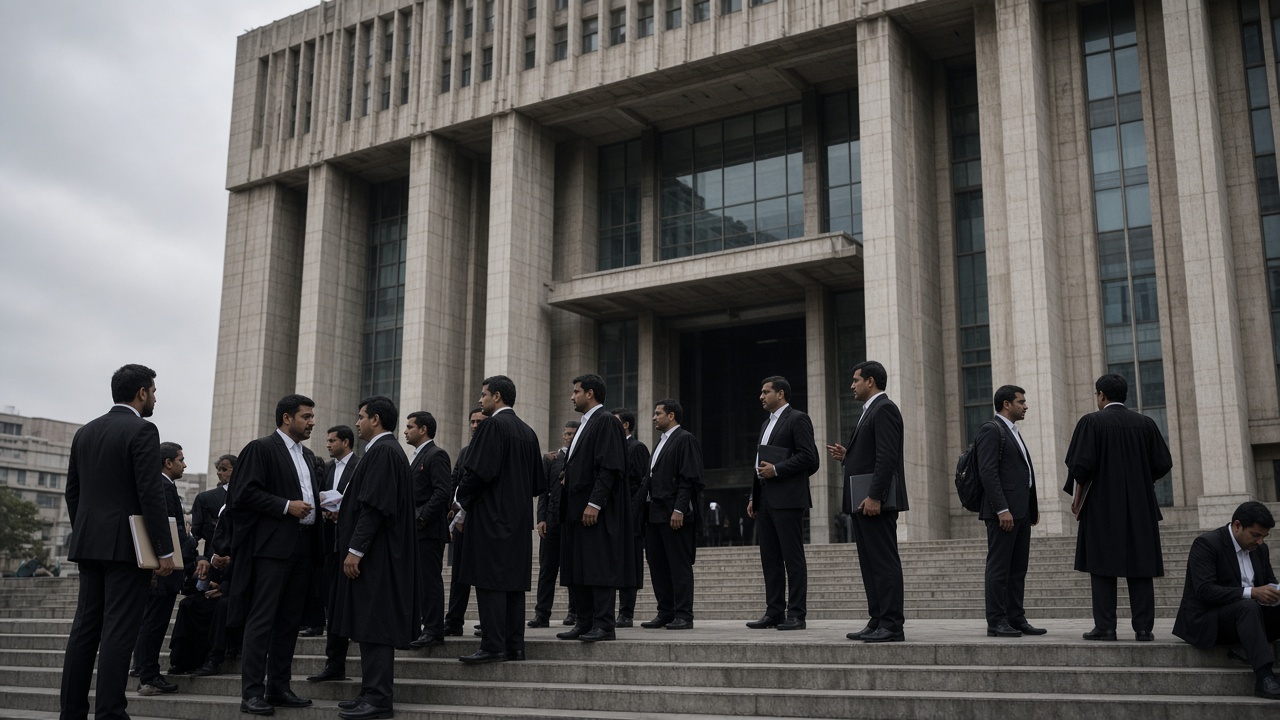
The Punjab and Haryana High Court on Monday removed a corruption probe tied to Chief Minister Bhagwant Mann’s office from state hands, directing the Central Bureau of Investigation to register a first information report and report back within two months. The order followed three Enforcement Directorate letters to Punjab’s director general of police that alleged an organised bribery network operating from the chief minister’s office—and a public interest petition arguing that local police had sat on the warnings for weeks.
What the ED alleged
In open court, a division bench of Chief Justice Ashwani Kumar Mishra and Justice Rohit Kapoor said a fair investigation required a central agency. The allegations stem from material seized in a money-laundering case involving GMADA land allotments. The ED claimed a private intermediary, Nitin Gohal, worked with Mann’s officer on special duty Rajbir Singh Ghuman and associates including Bir Devinder and Jitin Gohal to collect cash and property in exchange for influencing IAS and IPS postings, leaking confidential files, clearing arms licences and approving commercial projects.
Senior advocate and Additional Solicitor-General Satya Pal Jain, appearing for the ED, told the bench the state had failed its “Rajdharam” and instead pursued “Rajniti Dharam” by ignoring formal communications sent under the Prevention of Money-Laundering Act between 24 July and 12 August. Advocate Nikhil Saraf, who filed the PIL on 27 August, said journalists and opposition politicians had already aired parts of the complaint while police insisted they needed more time for a preliminary inquiry.
Why the court stepped in
The Mann government opposed the petition on maintainability grounds and argued Punjab Police were actively examining the matter. On 14 September, when judgment was reserved, the advocate general sought three more weeks, saying an FIR could not be registered until a preliminary review finished. The bench was unpersuaded. “We are also not impressed by the manner in which Punjab Police has acted so far in the matter,” the order stated, instructing the state administration to cooperate fully with the CBI.
The Aam Aadmi Party, which governs Punjab, has accused the central government of using the ED to tarnish the state. Mann’s allies note the probe touches officials described in court papers as close to the chief minister’s family, but no charges have been filed against Mann himself. Leader of the Opposition Pratap Singh Bajwa of the Congress welcomed the referral and posted on X that those who “looted Punjab’s exchequer” must face consequences “irrespective of how powerful they are.”
What happens in Parliament and on the ground
The CBI, represented by advocate Ravi Kamal Gupta, must now convert the ED’s narrative into a formal criminal case, a step that typically triggers summons, searches and parallel scrutiny in the Lok Sabha and Punjab Assembly. Mann’s majority in Chandigarh remains intact, but the court’s timeline—status report within eight weeks—falls inside the winter session calendar, giving opposition parties a procedural hook for adjournment motions and demand for statements on transfers in revenue, police and housing departments named in the petition.
For voters in Punjab, the immediate question is whether postings and tenders will freeze while investigators map the alleged cash trail. The high court has not commented on Mann’s personal liability; it has only decided who will run the inquiry. With the ED’s parallel money-laundering case still active in Jalandhar, two central agencies now converge on the same corridor of power in the chief minister’s office.