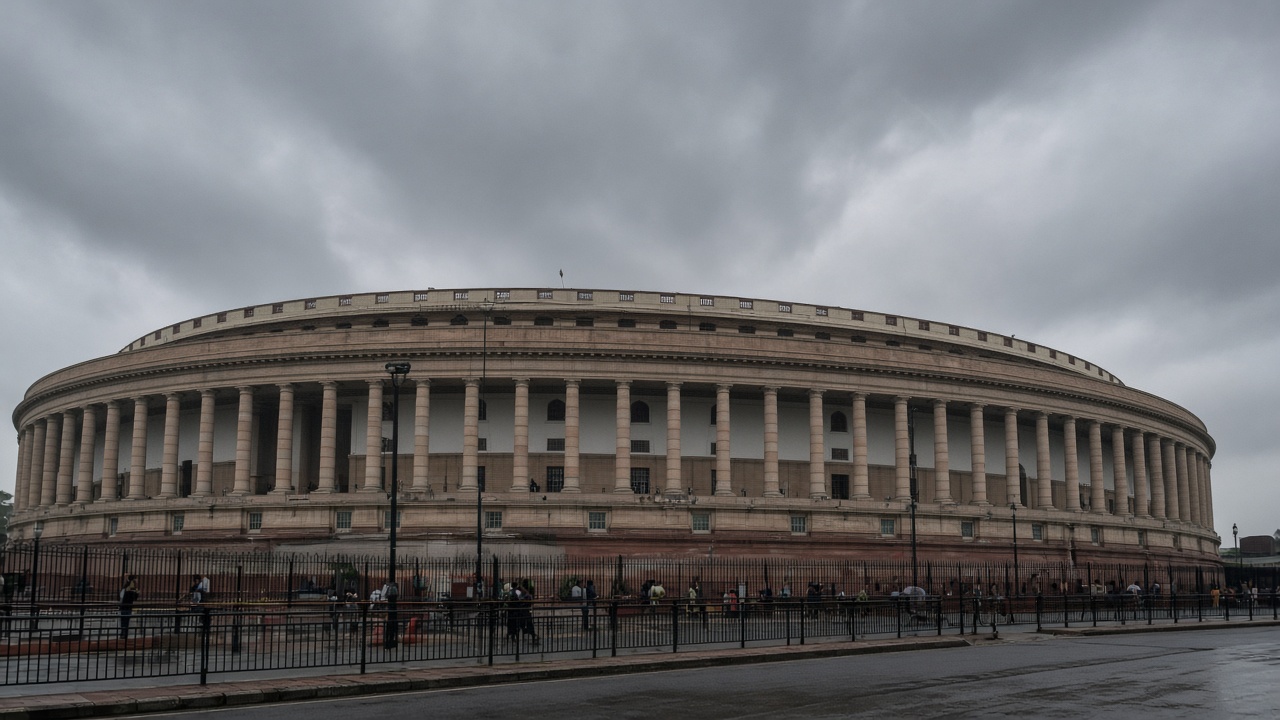
The Rajya Sabha secretariat listed a bill to adjust Bihar’s legislative assembly seat allocation for introduction on Tuesday, according to Monday’s bulletin, reopening a politically charged debate over whether population-based delimitation must wait for updated caste census data. The proposed measure would align seat counts with figures the Election Commission of India uses for boundary reviews, potentially increasing representation for fast-growing districts while reducing seats in slower-growing regions within the state.
What the bill would do
Text circulated to members last week frames the change as a technical correction after inter-state migration patterns shifted Bihar’s internal population map since the last comprehensive review. If passed by both houses and assented to, state election officials would redraw constituencies before the next scheduled assembly election cycle, a process that typically triggers public hearings and litigation over community influence.
Government whips told allies the bill does not by itself alter Lok Sabha seat totals frozen until 2026 under constitutional amendments; it focuses on Patna’s 243-member assembly where opposition parties already mobilised around special intensive revision of voter rolls in other states.
Opposition objections
Coalition leaders in Patna said they would demand a parliamentary committee review linking any seat change to caste census publication, arguing that raw population counts understate backward-community representation in malnourishment-affected districts. They plan to move dissent notices when the chairman calls the introduction, a procedural step that buys time for state-party coordination.
Union ministers counter that delaying assembly delimitation penalises voters in urbanising pockets where public services lag because elected members represent oversized populations spread across rural blocks.
Electoral commission role
The Election Commission would supervise boundary redraws if the law passes, publishing draft maps for objection periods mandated by the Representation of the People Act. Previous exercises in other states saw court stays when communities raised gerrymandering claims; Bihar’s dense caste geography makes compromise maps harder than in homogenous hill states.
Press Information Bureau releases emphasised that voter identity verification drives elsewhere do not change assembly seat math, attempting to decouple the Bihar bill from controversies over roll revision in the national capital region that dominated headlines last week.
What Tuesday introduction signals
Listing alone does not pass legislation; it forces debate on record before committee scrutiny. For Bihar’s parties, the fight is whether population data alone suffices or whether social census tables must arrive first—a sequencing question that will shape alliance math long before any map is inked.
For Delhi watchers, Tuesday’s introduction is the opening bell on a state whose assembly arithmetic often previews national coalition bargaining over representation reforms India postponed for decades.
Rural blocks and migration
Demographers note Bihar loses working-age migrants to National Capital Region construction and southern garment hubs while retaining elderly voters in village panchayats; seat formulas that ignore absentee populations can over-represent stagnant districts unless census methods capture habitual residence accurately. Opposition lawyers said they will challenge any map that splits Muslim-majority blocks across new constituencies without community consultation, citing precedents from southern states where courts ordered redraws.
Ruling alliance leaders in Patna argue faster urbanisation near Patna and Gaya already leaves residents underrepresented compared with sparsely populated hill subdivisions; they want seat additions funded through state finance commission grants so new constituencies hire staff before elections rather than after.
Procedure through both houses
Introduction on Tuesday allows members to seek a division vote on whether the bill should be referred to a standing committee; opposition whips said they have enough signatures for a send-to-committee motion if the chairman grants time. Committee hearings would summon Election Commission officials and state chief electoral officers to explain data sources behind proposed seat shifts, a process that could push any boundary change past the next monsoon session if witnesses dispute census linkage methods.
Law ministry briefings reminded members that assembly seat bills require Rajya Sabha assent even though Bihar voters elect the assembly directly—a constitutional nuance regional parties cite when accusing the Union government of controlling state democratic shape from Delhi.