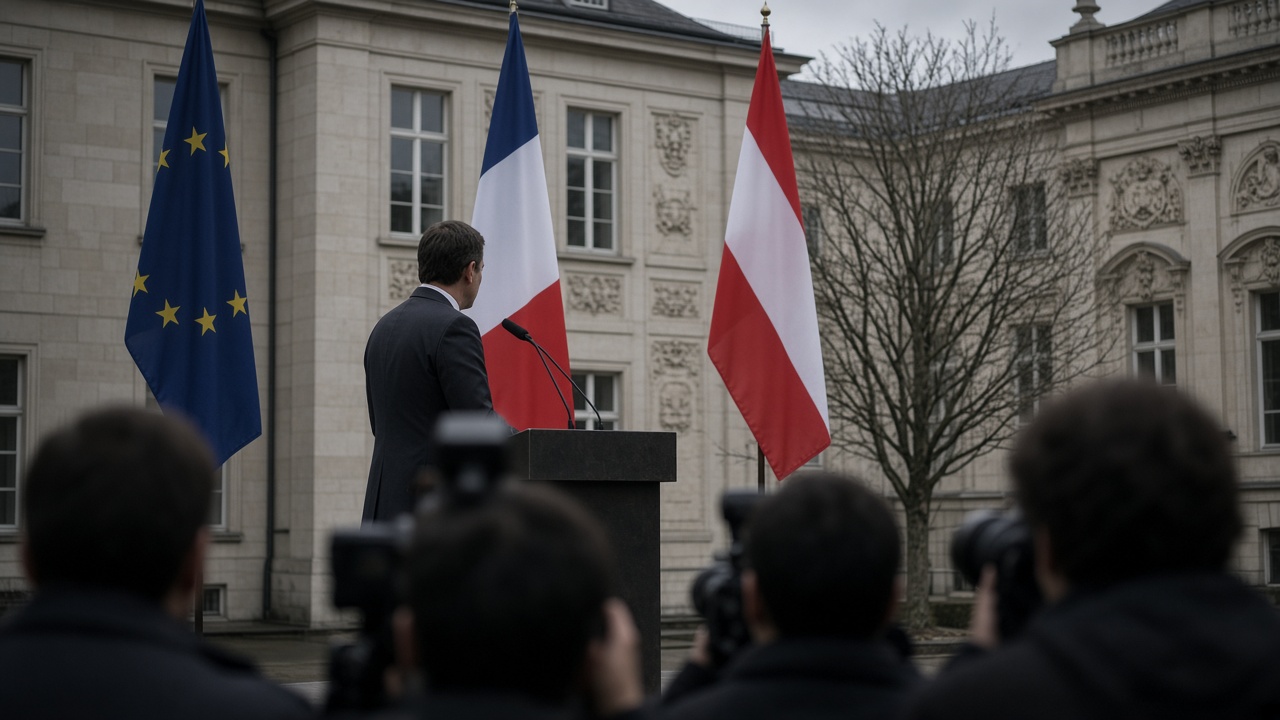
Spanish Prime Minister Pedro Sánchez dissolved parliament on Monday and set a general election for Sunday, 29 November, ending months of speculation that his minority government could stagger on until 2027. The move followed a legislative defeat on emergency housing measures that Sánchez had framed as the answer to nationwide protests over evictions and soaring rents.
In a televised address from La Moncloa, Sánchez said he had informed King Felipe VI and would convene an extraordinary cabinet meeting to formalize the dissolution. He argued that only a broader mandate could settle Spain’s housing crisis and other structural fights, from energy prices to regional autonomy.
What broke in parliament
Conservative and far-right lawmakers joined forces last week to reject two emergency decrees that included limits on evictions, curbs on real-estate speculation and fast-track protections for tenants. The package had been drafted after an 87-year-old woman was evicted in Madrid when she could not pay a steep rent increase, a case that triggered street demonstrations and renewed scrutiny of Spain’s tight rental market.
People’s Party leader Alberto Núñez Feijóo welcomed the election call, telling supporters that Spaniards would finally choose between his party and what he called years of Sánchez-led instability. Vox, the hard-right partner Feijóo may need for a majority, has campaigned against the decrees as state overreach into property rights.
Sánchez’s Socialist Workers’ Party has trailed the PP in most polls for much of his eight-year premiership, yet the prime minister is betting that housing affordability and fear of a PP–Vox coalition can mobilize left-leaning voters who stayed home in 2023. Labour Minister Yolanda Díaz and allied groups are preparing a new “Broad Front” platform to replace the Sumar alliance that backed Sánchez’s last government.
Calendar and stakes
Under Spanish law, the campaign will unfold over roughly seven weeks. The next parliament was not due until summer 2027 at the latest, so the snap vote compresses debates over corruption probes touching Sánchez’s circle, EU recovery spending and Catalonia’s political demands into a single autumn contest.
Pollsters currently project the PP as the largest party but short of an absolute majority in the 350-seat Congress of Deputies. That arithmetic points again to coalition talks, with Feijóo needing Vox votes unless centrist or regional parties bridge the gap. For Sánchez, the path back to power likely runs through a renewed left bloc plus Basque and Catalan nationalists willing to tolerate another minority executive.
Financial markets treated the announcement as orderly: Spanish bond yields moved modestly, with traders focused on whether any new government would tighten fiscal rules after pandemic-era deficits. Landlords and large listed housing firms face uncertainty over whether eviction moratoriums could return if Sánchez defies the polls.
What voters will be asked
Sánchez cast the election as a choice between “progress” on housing and a conservative rollback. Feijóo is expected to center corruption allegations and economic management, while Vox will push immigration and cultural issues that have pulled the PP rightward in regional governments.
Turnout will matter. Young renters who marched in Madrid and Barcelona this autumn are a volatile bloc: they powered protest energy but have historically voted at lower rates than pensioners who own homes outright. Municipal data already show double-digit rent increases in Madrid, Barcelona and Valencia over the past two years, giving both sides concrete numbers to weaponize on the trail.
The official election decree is expected in the state gazette on Tuesday after the cabinet meets. Until then, caretaker rules limit new spending pledges, though party platforms will still sketch competing visions for Spain’s 47 million residents ahead of the November ballot.