Sheng Siong Group is running out of headroom at its Mandai Link distribution centre just as analysts pencil in roughly S$26 million a year of depreciation from the S$520 million integrated headquarters and warehouse it is building in Sungei Kadut. The grocer broke ground in July on the seven-storey hub, but October is when investors map how that bill flows through the income statement while the chain pushes toward a 120-store network from 90 outlets today.
Capacity at Mandai Link
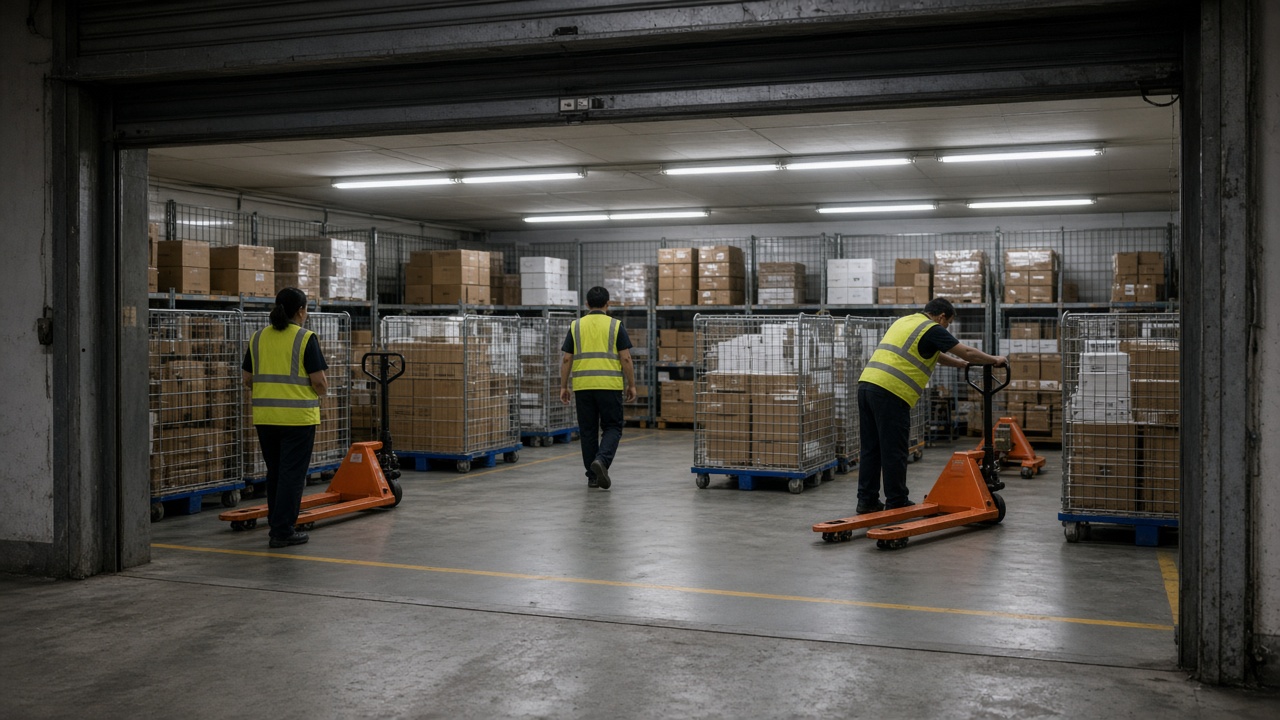
Sheng Siong told shareholders its existing warehouse was designed for about 50 stores and has been stretched with automation and a physical extension. Ninety shops now pull fresh produce, chilled SKUs and dry groceries through the same campus, and management has warned that throughput—not lack of demand—is the binding constraint. The Sungei Kadut site spans more than 61,000 square metres on land about 2.5 times the Mandai footprint, with multi-temperature zones and automated storage promised when the building completes around 2029.
Why heartland competition matters
Deputy Prime Minister Gan Kim Yong, who spoke at the July groundbreaking, framed the project as food supply resilience, not vanity construction. On the ground, the fight is aisle space: FairPrice, Cold Storage and discounters still bid for Housing Board shop lots, while smaller chains have surrendered sites when cash flow turned negative. Brokerage notes this quarter counted dozens of potential tender sites from upcoming build-to-order precincts and relinquished units, giving Sheng Siong a pipeline only if logistics can keep pace.
Urban outlets complicate the picture. Sheng Siong’s Orchard and CBD experiments show ready-to-eat lines and more self-checkout lanes aimed at office workers, but the economics still depend on nightly truck rolls from Mandai. Any stock-out on promoted rice or house-brand detergent shows up in same-store sales within a week, which is why capital markets are willing to fund a half-billion-dollar hub even as same-store traffic grows only modestly.
What the spend does to earnings
Research desks model the Sungei Kadut bill as front-loaded capital expenditure with a long depreciation tail. Until the new building opens, investors watch gross margin and wage lines for signs that Mandai overtime and third-party storage are eating the benefit of higher revenue. JTC Corporation and Enterprise Singapore are supporting the automation package; the question for minority shareholders is whether robotics lowers cost per carton fast enough to offset finance charges while construction is underway.
Listed since 2011, Sheng Siong has historically paid attention to dividends. A multiyear build introduces execution risk—construction delays, equipment import timing, staff retraining—that managers must explain on each results call. October is a planning month for retail ahead of year-end festivals, so guidance on how many new stores can open before 2029 without breaching Mandai limits will move the stock as much as any macro headline.
Shelf space versus square footage
Households will not see the Sungei Kadut crane works, but they will notice if promoted items disappear from end caps or if fresh fish arrives later in the morning. The investment is a bet that Singapore still wants physical supermarkets in every town even as quick-commerce apps promise 30-minute delivery. Sheng Siong is putting hard dollars on the answer being yes—provided the trucks loading at Sungei Kadut can serve more than a hundred stores without the hiccups that come from squeezing a 120-store network into infrastructure built for half that number.