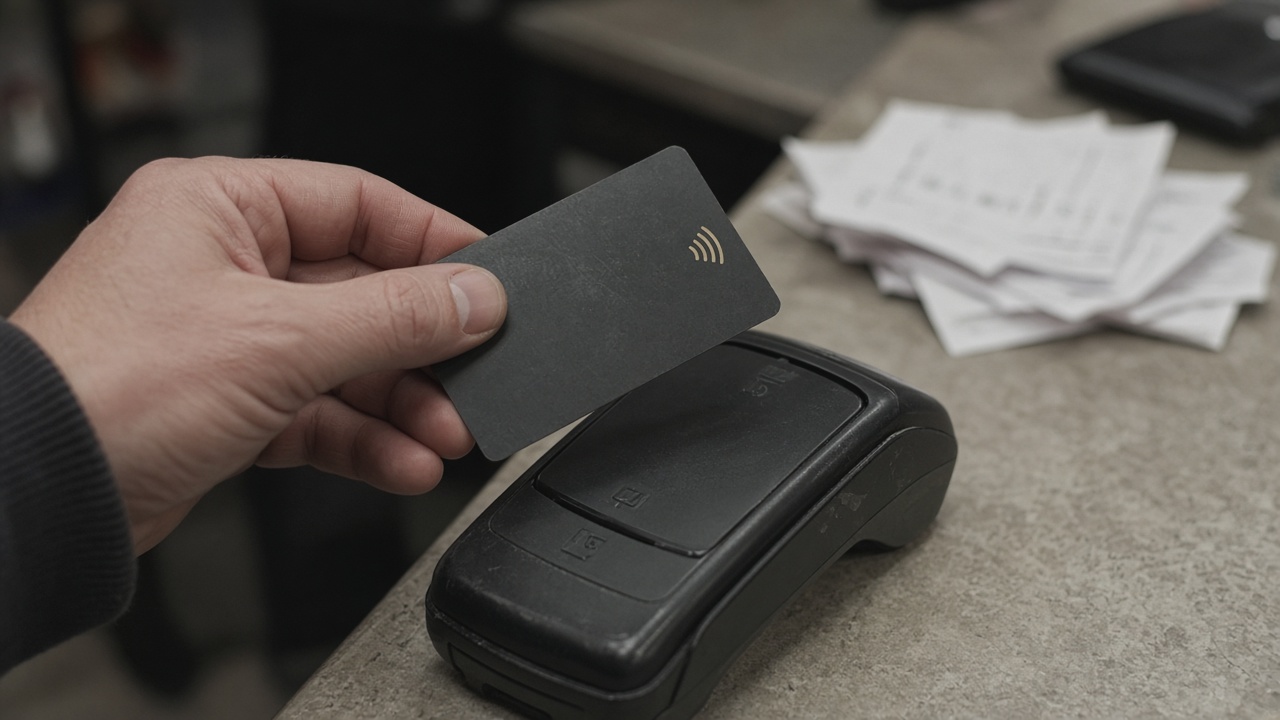
Sinopac Financial Holdings’ DAWHO cash-back card rolled its monthly domestic rebate counters back to zero on the first business day of the fourth quarter, giving Taiwan cardholders a fresh NT$1,000 cap on the 4% general-spend tier before year-end travel and online promotions stack up.
How the cap works
Comparison sites including iCard.AI list the DAWHO card’s headline domestic rate at 4% cash back on general purchases, with the accelerated tier capped at NT$1,000 per billing cycle. Once cardholders hit that ceiling, additional spending earns the card’s base rate until the next cycle resets. The structure is common among Taiwanese issuers that advertise high headline percentages but limit the accelerated bucket to control interchange costs.
October’s reset matters because several banks timed autumn welcome offers — including HSBC Taiwan’s NT$1,000 statement credit for new applicants who spend NT$3,000 within 30 days of approval — to overlap with holiday booking windows. Card optimizers on local forums said they sequence large domestic purchases early in the month to capture the DAWHO accelerated tier before shifting overseas travel to cards with uncapped foreign rebates.
Competing October cards
CardU’s October roundup highlights uncapped products such as HSBC’s 1.22% domestic / 2.22% overseas cash-back card alongside category accelerators on CTBC’s SOGO co-brand and Taishin’s Richart card for overseas travel. None of those products replaces DAWHO for shoppers who concentrate NT-dollar e-commerce in the first week of the month, but they offer alternatives once the NT$1,000 bucket is exhausted.
Sinopac has not announced a change to DAWHO’s fee waiver rules for the fourth quarter; cardholders still need e-statements and qualifying spend to avoid annual charges. Customer-service lines contacted by InfoHandle Network said call volume typically rises the first Monday after a cap reset as users verify posting dates for large installments.
Practical guidance
Financial bloggers advising Taiwan households recommend tagging recurring bills that cannot earn accelerated rewards — insurance premiums, tax payments, and certain utility autopays — to cards with uncapped base rates, reserving DAWHO’s 4% tier for discretionary retail. With flu-shot co-pays and travel deposits landing in October, that split keeps rebate math predictable.
Regulators have not flagged DAWHO’s cap structure as misleading, but the Financial Supervisory Commission continues to press issuers to display effective rebate percentages in mobile apps. Sinopac’s latest app update shows remaining accelerated balance in real time, a feature the commission cited as a model for clearer disclosure.