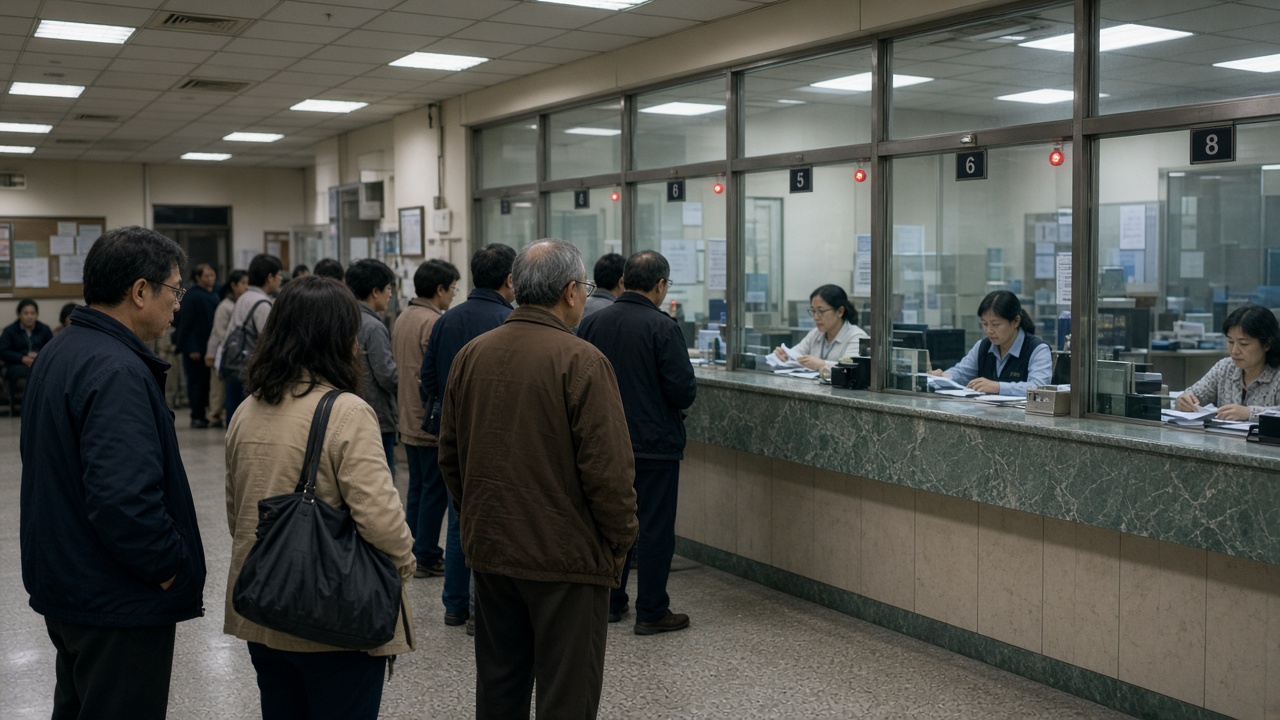
Taiwan’s commercial banks are rationing working-capital lines again after a seven-month corporate borrowing surge left the system loan-to-deposit ratio within a hair of its 2020 ceiling, a level regulators last saw when exporters were hoarding cash at the start of the pandemic.
Deposits follow the TAIEX
Retail News Asia reported that Taiwanese lenders put out roughly NT$4 trillion in new loans in the first seven months of 2026, about US$126 billion, with July alone adding NT$823 billion in business and unsecured consumer credit. The expansion ran nearly eight times faster than mortgage growth, which remains throttled by central-bank property curbs. At the same time, depositors pulled balances to chase technology shares during the TAIEX’s push toward 48,500, thinning liquidity at several mid-sized institutions.
The Financial Supervisory Commission told reporters it still sees aggregate deposit growth tracking loan creation and that no lender has breached statutory capital triggers. Even so, the commission said it would intensify reviews of how banks allocate limits between semiconductor supply-chain borrowers and smaller manufacturers that lack offshore bond access.
What SMEs are hearing
Export-oriented component makers say renewal meetings that used to be routine now include requests for updated cash-flow forecasts and tighter covenant language on inventory lines. Several Taipei-based general managers told InfoHandle Network that state-backed banks remain willing to roll over existing facilities for established clients but are reluctant to increase limits unless collateral includes listed equities or receivables from tier-one customers.
Central bank Governor Yang Chin-long has convened working sessions with Mega Financial, Taiwan Cooperative Bank, and Chunghwa Post, which holds one of the largest retail deposit pools on the island. Participants described the talks as coordination rather than direction: lenders would keep priority access for working-capital loans tied to payroll and electricity bills, while unsecured personal lines would stay priced at spreads that reflect the liquidity squeeze.
Rate pass-through
Banks have already passed along 50 to 90 basis points of funding pressure on corporate facilities, according to industry surveys cited by Retail News Asia, while variable mortgage rates for new originations are approaching 3%. Average liquidity coverage ratios fell to 115.52% in July, the steepest four-month drop in four years, though still above the 100% regulatory floor.
For households, the immediate effect is less about mortgage repricing — most borrowers remain on fixed legs — and more about credit-card cash-advance pricing and installment plans that banks use to recycle short-term liquidity. Card issuers contacted by InfoHandle Network said they have not cut headline rewards but are scrutinizing balance transfers that move debt between institutions without new underwriting.
Outlook for the fourth quarter
Analysts at several Taipei brokerages expect loan growth to moderate once September revenue disclosures clarify how much inventory built up ahead of year-end smartphone launches. If foreign investors keep rotating into panel and memory names, deposit volatility may persist, keeping pressure on loan-to-deposit ratios through Double Ten week.
The central bank’s next quarterly report, due later in October, will show whether corporate borrowing slowed after the holiday-shortened September. Until then, smaller suppliers say the practical test is whether a bank relationship officer returns calls within 48 hours — a bar several institutions are missing for the first time since 2022.