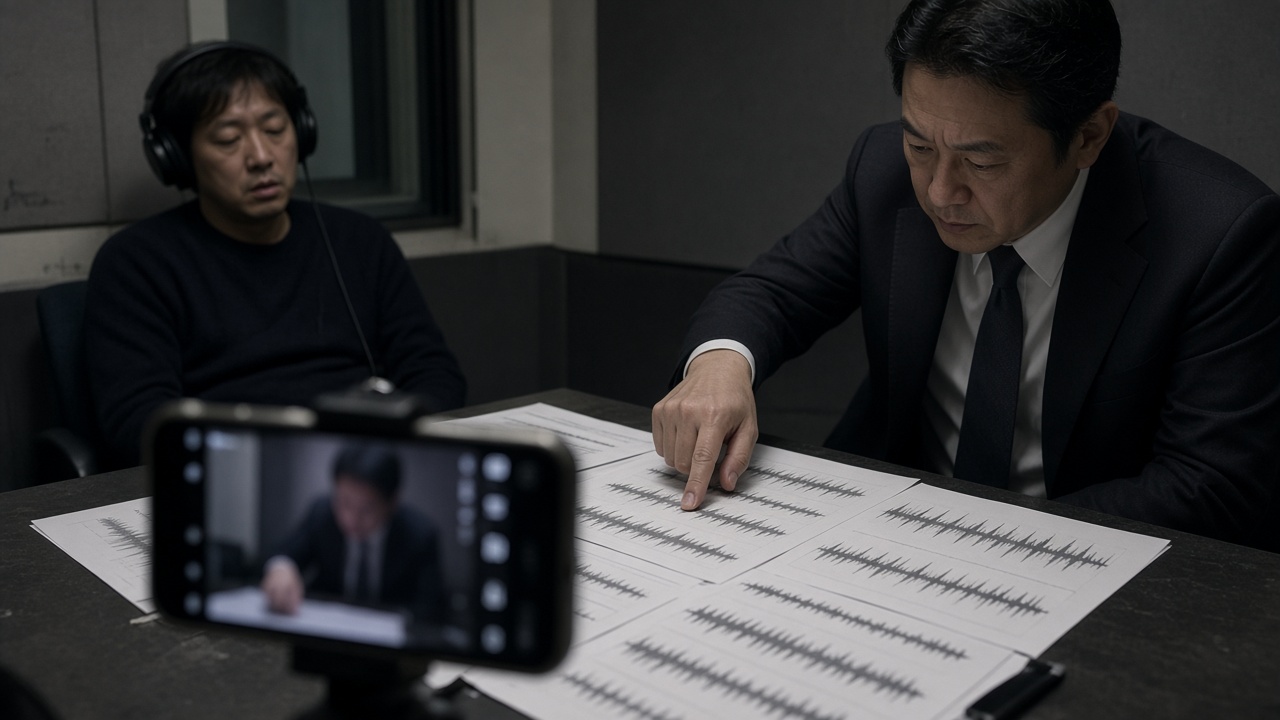
A Tokyo court has ruled that a performer’s voice can be protected under Japan’s publicity-right doctrine, handing voice actor Kenjiro Tsuda a landmark victory over an operator accused of hosting AI-generated clips that mimicked his speech on TikTok.
Tsuda, known for roles in anime including Jujutsu Kaisen, sued after more than 180 videos featuring synthetic voices closely resembling his own appeared on the platform without permission. In a decision issued Wednesday and reported widely on Monday, the Tokyo District Court held that using a recognisable voice to attract audiences or customers can violate the commercial interests tied to a celebrity’s identity.
Why the ruling matters for AI platforms
Japanese courts have long guarded names and likenesses under publicity rights, but had not clearly extended that shield to vocal timbre. Tsuda’s case became a test of whether generative tools that clone cadence and pitch create the same commercial harm as unauthorised photo use in advertising.
The court found that the defendant’s TikTok account drew views partly because listeners associated the audio with Tsuda’s established roles. That connection, the judges said, meant the voice carried independent commercial value beyond the script being read. Platform operators in Japan now face clearer pressure to respond when performers flag AI impersonations, even if the underlying text is generic.
What Tsuda argued — and what the court did not decide
Tsuda’s lawyers told the court that the clips could mislead fans into believing he had endorsed products or political messages. The operator argued that the videos were fan tributes and that filtering every synthetic voice was technically impractical. The ruling focused on publicity infringement rather than criminal fraud, and it did not set a blanket ban on voice cloning for parody or accessibility tools.
Legal scholars in Tokyo said the decision draws a line between authorised uses — such as licensed dubbing or speech-assistance products — and commercial exploitation of a distinctive voice without consent. They expect appeals or settlement talks, but said lower courts will cite the precedent when entertainers challenge social platforms.
Industry reaction in Tokyo
The Japan Voice Actors Association declined to comment on pending cases but said members had reported a spike in AI mimic complaints since 2025. Anime producers, who rely on star seiyuu to market Blu-ray releases and live events, welcomed the clarity, arguing that unchecked clones could undercut merchandise tied to specific performers.
TikTok’s Japan office has not published a detailed response to the ruling. Global platforms operating in Tokyo already moderate visual deepfakes, but audio-only violations have been harder to detect at scale. Voice actors said they would press for upload filters that fingerprint known performers, similar to music copyright systems.
What performers should watch
Tsuda’s counsel said clients were cataloguing unauthorised clips before sending takedown notices, a process that can take weeks. The court’s recognition of voice publicity rights gives them a civil claim even when impersonators hide behind anonymous accounts.
For users, the ruling does not outlaw AI voice tools outright. It targets situations where a recognisable performer’s vocal identity is used to pull traffic or sales. Courts will still weigh fair-use arguments case by case, but performers now have a published Tokyo precedent saying their voices are not free raw material for engagement farming on short-video apps.