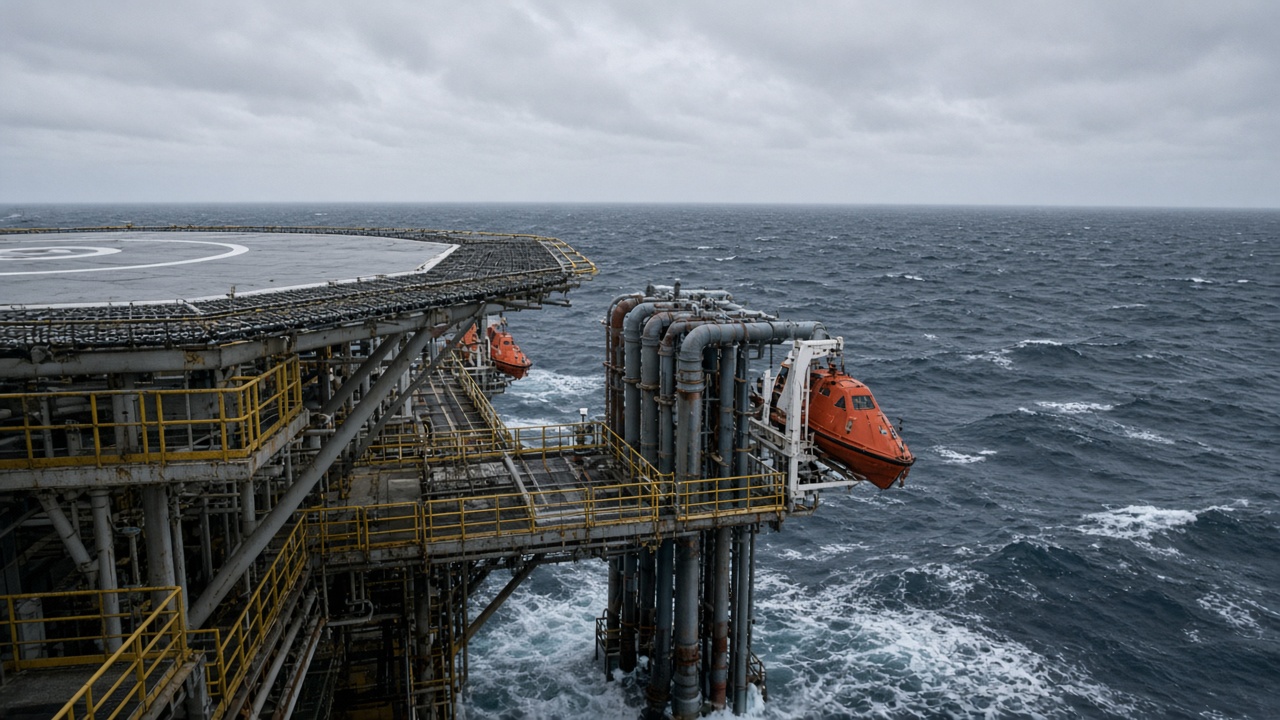
Britain’s largest trade union has warned that strike action by Apache workers on North Sea oil platforms could disrupt the Forties Pipeline System, threatening fuel supplies at a moment when average UK diesel prices have climbed to about £2 per litre.
What Unite announced
Unite said on Monday that members had backed industrial action in a ballot covering roughly 160 employees on Apache-operated installations in the Forties and Beryl fields. The roles include electricians, mechanics, radio operators and production technicians who maintain the infrastructure that feeds crude into the onshore Forties terminal at Cruden Bay before it is shipped to Grangemouth refineries.
The union accused Apache of offering a pay increase that amounted to a real-terms cut for many staff because previous awards did not keep pace with inflation, and of setting deadlines on back-pay talks that could leave money withheld. Apache has not yet published a detailed public response to the ballot result in the hours after Unite’s statement.
Why the Forties link alarms Whitehall
The Forties Pipeline System is one of the UK’s most important pieces of energy infrastructure. Unite said disruption on Apache’s platforms could directly affect flows through the pipeline, which the union said carries about 29 percent of UK oil production and 30 percent of domestic gas supplies. Any prolonged outage would not stop imports overnight, but it would remove a large slice of indigenous production at a time when European diesel markets are already tight.
The Telegraph reported that average diesel prices hit a record £2 per litre last week, with European governments under pressure from the United States to release strategic stocks. UK officials have also been monitoring threats from Washington to limit diesel exports to Britain and the European Union as part of wider trade and energy disputes. A North Sea strike adds a domestic choke point on top of those international risks.
Labour relations on the rigs
North Sea operators have faced repeated pay disputes since inflation spiked after the pandemic. Unite regional officer John Boland said members had been left with “no option” but to strike after Apache refused to improve its offer. The union’s language deliberately tied platform action to pipeline flows, signalling that the dispute is not limited to wages on a single field but to the economics of keeping ageing UK assets staffed.
Apache inherited legacy installations when it expanded in the UK sector and has sought to manage decline curves on mature fields. Maintenance stoppages that coincide with strike calendars can force longer shutdowns because safety rules require handover procedures that cannot be improvised. Industry groups have warned that skilled offshore labour is thinning as workers move to renewables projects with more predictable rotas.
Refining and forecourt knock-on effects
Even a short Forties outage can ripple quickly through Grangemouth, where the pipeline’s crude underpins throughput at Scotland’s largest refinery complex. Wholesalers watch days-cover on diesel stocks more closely in autumn, when agricultural demand and heating oil orders overlap. Forecourt operators do not set pump prices directly from North Sea flows, but traders price in supply risk immediately when pipeline operators declare force majeure or reduce nominations.
Competition and Markets Authority monitoring of fuel margins has intensified since the 2022 price spike, yet political scrutiny still lands on ministers when pump boards jump overnight. Unite’s timing therefore carries Westminster as well as boardroom weight: Labour has promised to protect workers’ bargaining power while also asking unions to avoid actions that amplify cost-of-living pain.
What happens next
Unite must give statutory notice before strike dates are set, and Acas-mediated talks could still narrow the pay gap. Apache will be weighing the cost of a improved offer against the revenue hit from shutting in barrels when Brent-linked prices remain volatile. For drivers and fleet operators, the immediate task is to watch Forties flow data and refinery run rates, not just pump prices, because the union’s threat is tied to infrastructure rather than forecourt branding.