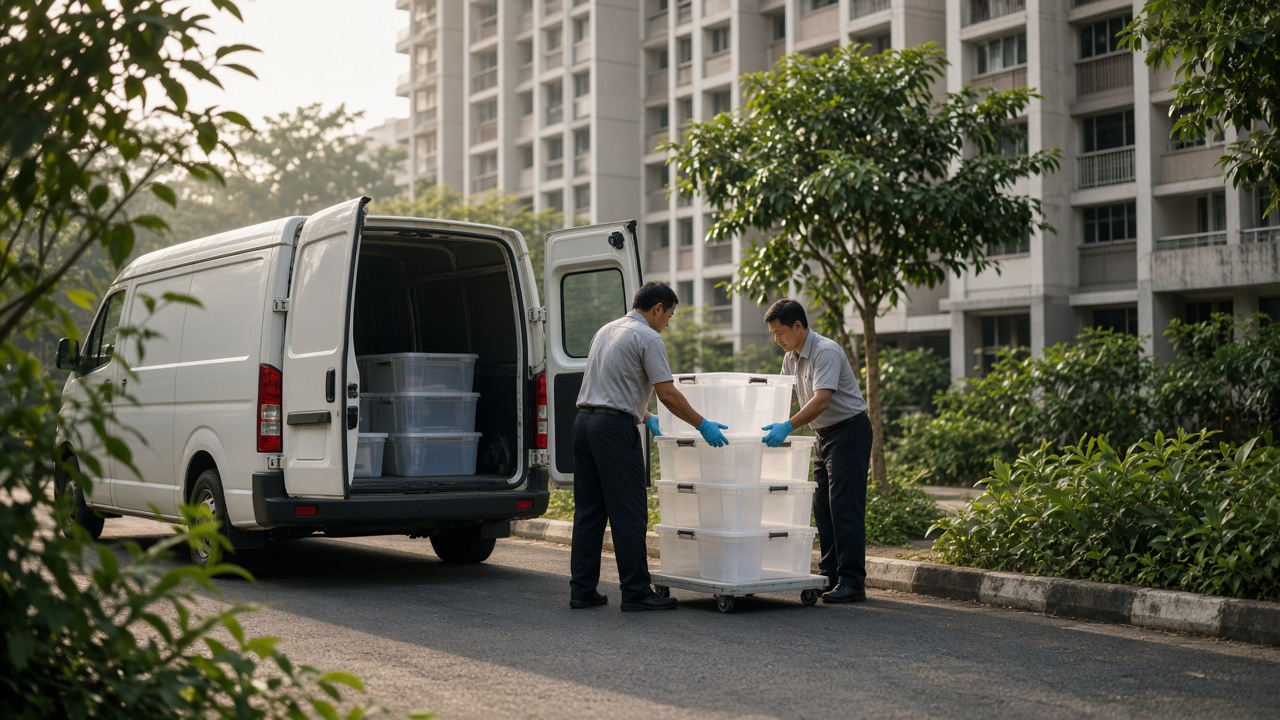
The National Environment Agency began October by rolling Project Wolbachia releases into Ang Mo Kio, one of five estates added this year as the programme reaches about half of all households in Singapore. Field teams deploy male Aedes aegypti mosquitoes infected with Wolbachia bacteria so eggs from wild females fail to hatch, complementing—not replacing—source reduction in drains and rooftop gutters.
Data residents can watch
NEA publishes weekly Aedes monitoring graphs on its website; comparing Ang Mo Kio grids before and after releases gives residents a sense of whether to keep balcony plants drier than usual. Schools in the town will receive briefings so physical education classes can move indoors if mosquito counts spike right after a drop.
What residents will notice
NEA warns that mosquito counts can rise briefly after releases because the sterile males still fly and bite without transmitting dengue. Studies cited by the agency show Aedes populations falling 80 to 90 per cent in release zones, with residents inside those areas facing more than 70 per cent lower dengue risk and neighbours outside still seeing roughly 45 per cent protection. Ang Mo Kio residents should expect educational flyers and myENV notifications before vans arrive at pre-dawn hours.
Technology behind the drops
Laboratory breeding lines are tracked by neighbourhood grids so epidemiologists can compare case counts against control areas. The programme marks its tenth anniversary in October, a milestone for a project that began as a science experiment in Braddell Heights and now covers more than 800,000 homes. Automation in the breeding facility increased batch consistency, letting planners synchronise releases with traditional peak dengue season from May to October.
Bukit Panjang, Little India, Pioneer and Toa Payoh joined earlier in 2026. Ang Mo Kio’s denser mature estates present logistics challenges—narrow void decks, multi-storey carparks and schools that need coordination so releases do not coincide with outdoor assemblies.
Limits of the tool
Wolbachia targets Aedes aegypti, not every nuisance mosquito, and does not help if travellers import other serotypes. NEA still fogged active clusters in the west last month while releases continued elsewhere. Residents should continue the five-step Mozzie Wipeout, allow inspectors into homes, and report bites even if they live inside a release zone.
Data residents can watch
NEA publishes weekly Aedes monitoring graphs on its website; comparing Ang Mo Kio grids before and after releases gives residents a sense of whether to keep balcony plants drier than usual. Schools in the town will receive briefings so physical education classes can move indoors if mosquito counts spike right after a drop.
Half of Singapore’s households now live inside this biological firewall; the other half will watch Ang Mo Kio’s data before their town comes up on the schedule.