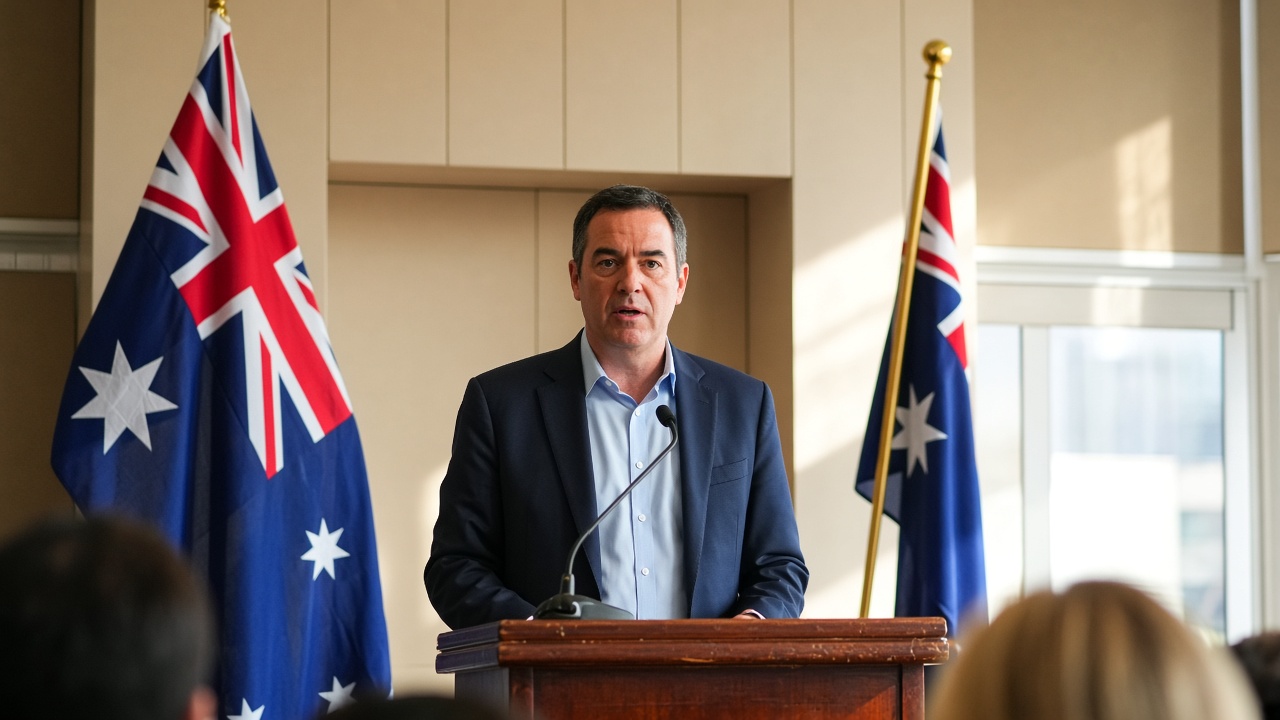
Opposition Leader Angus Taylor unveiled the Coalition’s migration platform Tuesday, promising what he called the largest cut to immigration in Australian history by slashing the number of people on temporary visas by about 650,000 over four years and holding net overseas migration to 100,000 annually for the first two years of a Coalition government.
Speaking in Sydney, Taylor said the package would be budget neutral though he did not release modelling for the wider economic effects—a gap Labor is likely to exploit as both major parties compete with One Nation for voters worried about housing pressure and wage growth. The announcement lands days after the Albanese government tightened student and working-holiday rules that took effect Friday, showing how central migration has become to the 2026 campaign calendar.
Visa categories in the crosshairs
ABC reporting on the plan highlighted three levers: a cap on international student visas, a halving of the humanitarian intake to 10,000 places a year, and a dramatic reduction in bridging visas. Coalition officials said bridging numbers would fall from about 414,000 to 20,000 by requiring many temporary holders to leave Australia before applying for a new visa rather than extending status from inside the country.
Graduate visas, family reunion streams and employer-sponsored pathways would also face tighter eligibility under the Coalition sketch, though detailed legislative text has not yet been released. Taylor framed the changes as restoring “order” to a system he argued Labor had allowed to swell after pandemic-era backlogs collided with post-2022 reopening surges.
How it compares with Labor
The government’s recent package focused on barring most international students from bringing family members, forcing course changes through new visa applications and limiting upgrades to higher qualifications until after graduation. Treasurer Jim Chalmers and Home Affairs Minister Tony Burke have pitched those moves as responsible middle ground, while still projecting net overseas migration well above the Coalition’s 100,000 target.
Independent economists note that temporary visa holders spend, rent and fill labour gaps in sectors from aged care to construction; cutting numbers quickly could ease rental markets in Sydney and Melbourne while creating recruitment pain for employers already complaining about skills shortages. Taylor’s claim of budget neutrality assumes savings on services and infrastructure outweigh lost tax receipts—a balance the Parliamentary Budget Office has not yet scored.
Politics on the ground
Tuesday’s press conference competed for airtime with a defence tragedy: Corporal Brendan Hannam, 28, died and five soldiers were injured when a vehicle rolled at the Mount Bundey training area near Darwin on Monday, a reminder that national-security and domestic-policy headlines often share the same news cycle in Canberra.
Migration, however, is the fight Taylor chose to pick this week. By tying bridging-visa reform to headline-grabbing six-figure cuts, the Coalition is betting that voter frustration with congestion outweighs business lobby warnings. Labor will respond that it already acted on students and working holiday makers; the contest now is whether voters believe 100,000 net migration is achievable—or desirable—without touching the skilled pipelines employers say they still need.