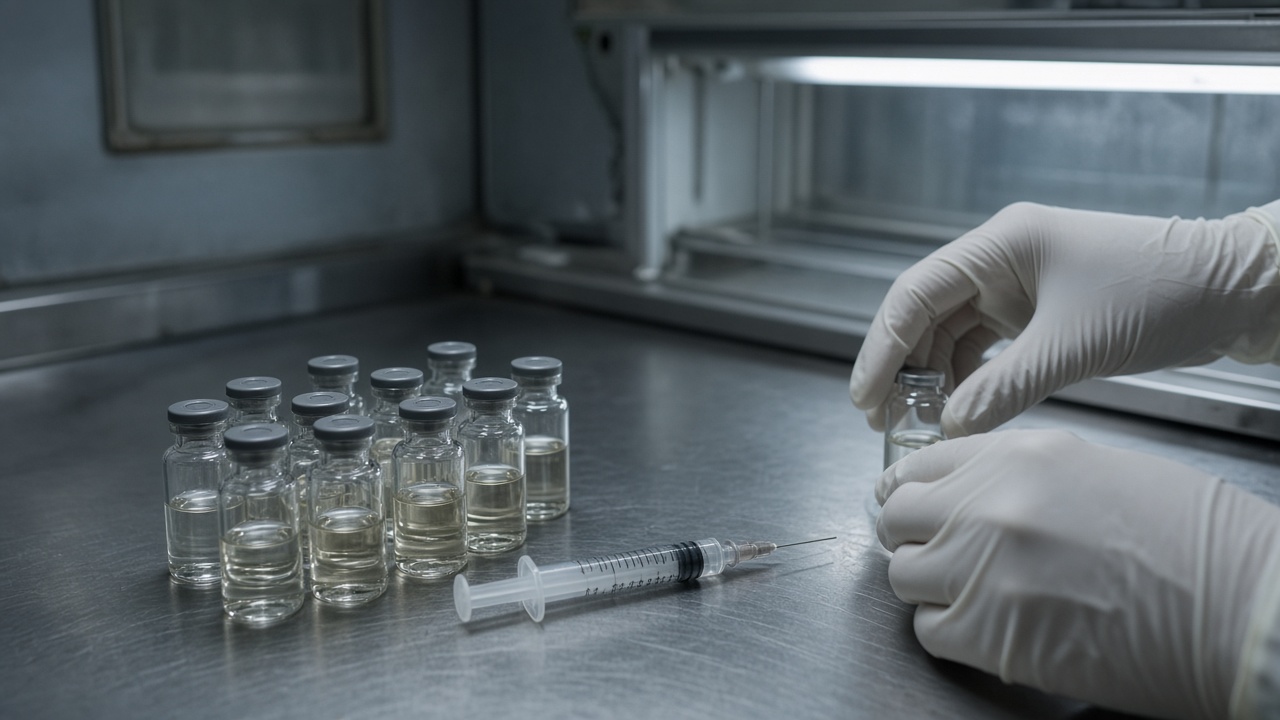
Greenwich Rx, a 503A compounding pharmacy in Tomball, Texas, is recalling specific lots of compounded glutathione 200 mg/mL multidose vials after testing showed potential elevated endotoxin levels, the Food and Drug Administration announced October 1. The pharmacy shipped affected vials to patients nationwide between June 26 and September 21, 2026.
Health risk
Injectable drugs with high endotoxin loads can trigger fevers, blood-pressure crashes, and—in severe cases—anaphylactic shock. Greenwich Rx said it received two reports of patients who sought emergency care after intravenous glutathione that was not formulated for IV use.
Glutathione is an antioxidant some clinics market for wellness infusions, though FDA-approved uses are limited. Compounded versions are not interchangeable with FDA-reviewed injectables; patients should confirm route of administration with a licensed prescriber.
Which lots are involved
The recall covers 10 mL multidose vials labeled for subcutaneous injection. Patients should match lot numbers and beyond-use dates on their vials to the list in Greenwich’s mailed notice. If you received glutathione from a telehealth startup or med spa, ask the provider which pharmacy fulfilled the script—503A compounders often ship directly to patients.
What to do if you have a vial
Stop using recalled lots immediately and follow the disposal instructions in the recall letter. Do not attempt to “sterilize” vials at home. Contact your prescriber if you already injected from a recalled lot, even without symptoms; clinicians may order blood work or observation.
Report adverse events to the FDA MedWatch program and keep the vial label for investigators. Insurance may not cover replacement doses; ask whether the compounder will refund unredeemed product.
Broader compounding context
503A pharmacies mix patient-specific prescriptions under state oversight, while larger 503B outsourcing facilities supply hospitals. Endotoxin failures usually trace to contaminated raw materials or inadequate sterile technique. The FDA said Greenwich is notifying customers by mail and coordinating with regulators.
Wellness clinics promoting IV glutathione for “detox” should expect patient questions this week. Licensed pharmacists need to verify lot numbers before any injection appointment—and patients should treat compounded injectables with the same skepticism they bring to supplement aisles.
How endotoxin slips through testing
Compounding pharmacies test finished vials for bacterial endotoxins using limulus amebocyte lysate assays. A single contaminated raw-material lot can fail after hundreds of doses ship if batch testing sampled only a subset. Greenwich's recall notice does not name suppliers, but FDA investigators typically trace upstream to bulk chemical brokers.
Telehealth and med-spa patients
Wellness influencers often promote glutathione as a skin-brightening infusion without noting that compounded products lack FDA approval for those claims. If your provider cannot show a lot number matching the recall list, postpone appointments until they certify clean inventory.
Insurance rarely covers elective antioxidant infusions; out-of-pocket costs mean patients deserve clear documentation of sterility testing before paying cash.
Staying on the FDA list
Bookmark the FDA's recall RSS feed or sign up for MedWatch emails. Recalls posted October 1 may not reach patients until mailers arrive days later—do not wait for a letter if you still hold vials from the summer shipping window.
Talking to your clinician
Endotoxin reactions can mimic flu-like symptoms within hours of injection. Tell emergency-room staff the exact product name and lot if you seek care, because standard allergy panels may not flag bacterial toxins.
Prescribers considering alternative antioxidants should use FDA-approved routes when they exist; compounding remains appropriate for documented allergies to inactive ingredients in commercial products, not for convenience dosing.
State boards of pharmacy can discipline facilities that ship across state lines without valid prescriptions; patients can verify Greenwich's license status through Texas regulators if they doubt the recall notice's authenticity.