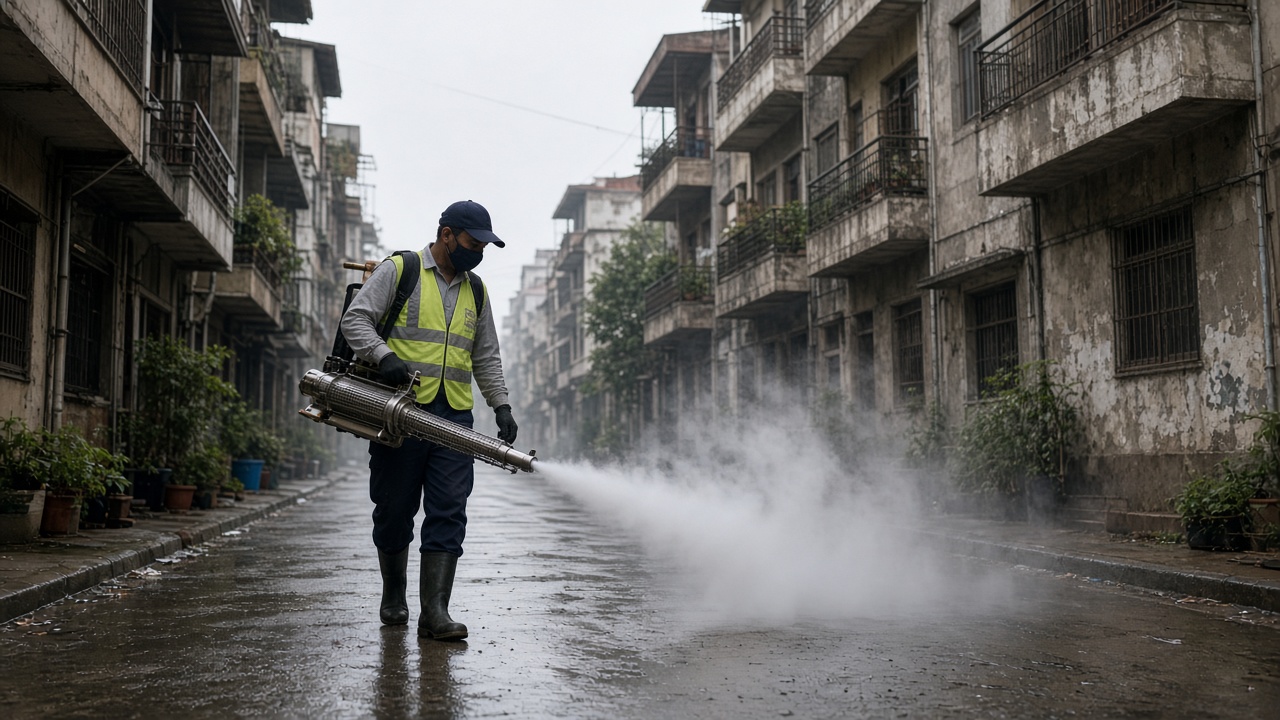
India recorded 13,336 dengue cases and 12 deaths in national surveillance tallies through early October as the health ministry pressed states to upload daily vector-borne disease data on the Integrated Health Information Platform, according to NCVBDC figures cited in ministry communications reported by Mint.
Reporting push
States must ensure ELISA-based NS1 and IgM kits are available for the first five days of fever, analyse IHIP entries for surge signals, and expand larval source management before the northeast monsoon. Officials warned that developing El Niño conditions could extend mosquito breeding seasons beyond typical October peaks.
Regional picture
Southern states continue to bear the heaviest burden, while northern districts report post-monsoon spikes tied to construction sites and uncovered water tanks. Chennai civic teams said more than 4,500 city cases were logged this year even as authorities claimed a declining trend in September admissions.
Household action
Ministry advisories repeat weekly emptying of containers, covering tanks, and clearing drains—low-tech steps that fail when apartment associations defer maintenance until after festivals. Clinicians urge testing for all persistent fevers rather than empiric antibiotics that mask dengue warning signs.
System test
The IHIP-VBD mandate is as much a data discipline story as an epidemiology one. States that lag paper reporting will miss early warnings; those that comply give NCVBDC a chance to target fogging and hospital beds before intensive care units fill.
Urban programmes
Municipal corporations in Bengaluru and Hyderabad continued weekend fogging after residents reported stagnant water in construction pits. Apartment associations face fines in some states when breeding is found on terraces; enforcement remains uneven.
Blood banks monitor platelet stocks as severe dengue cases can strain O-positive supplies. Hospitals were told to maintain separate fever pathways so dengue patients are not seated beside influenza cases in waiting areas.
Climate link
Health ministry briefings cite El Niño forecasts as a reason to extend surveillance into November, past the usual post-monsoon tail. Longer warmth keeps Aedes mosquitoes active in southern coastal belts where tourism traffic also moves infected asymptomatic carriers.
District snapshots
Haryana's cumulative tally reached 503 cases by 4 October, with Gurgaon reporting 65 infections in twenty days, according to state health bulletins. Officials said the count remains below five-year averages but warned that post-monsoon weeks can reverse trends quickly if breeding sites return after brief dry spells. District medical officers were asked to cross-check fever clinic tallies against IHIP uploads every evening through October, the ministry said.