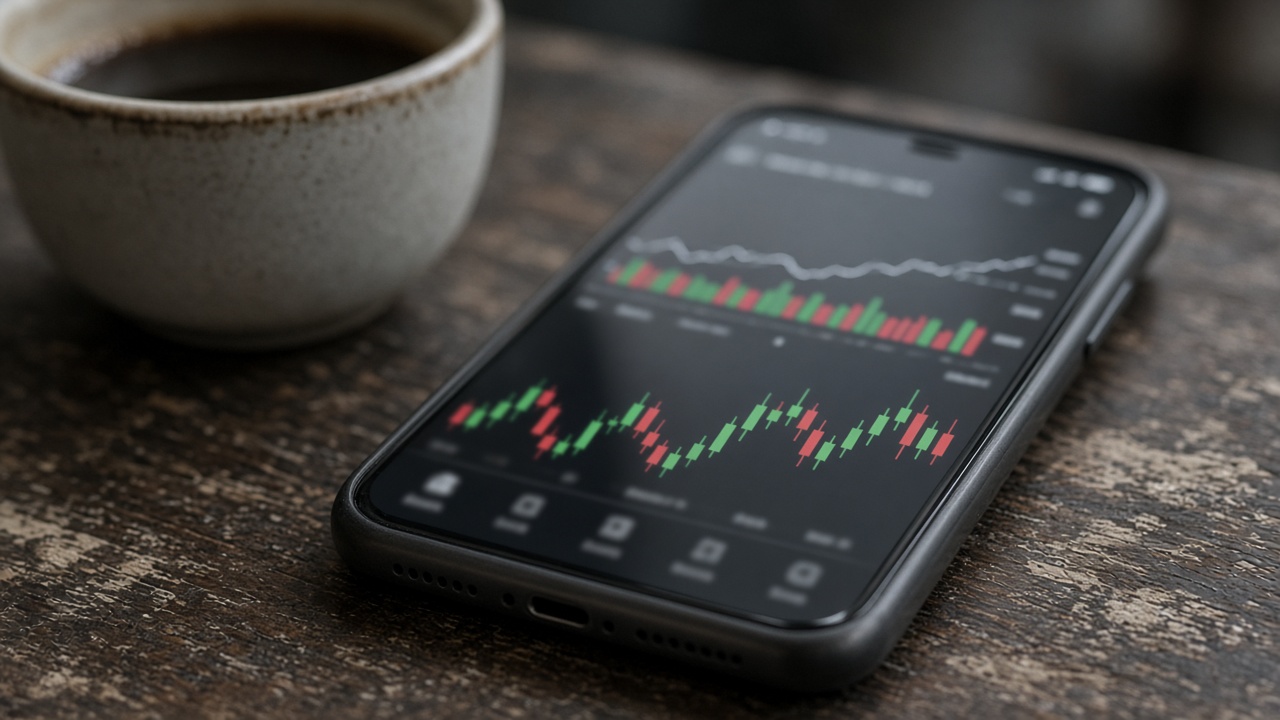
Japan’s National center of Incident readiness and Strategy for Cybersecurity (NISC) issued an alert Tuesday describing fake online brokerage applications that use looping Lottie animations to simulate live margin gains, luring retail investors into depositing funds that leave via instant payment rails.
How the lure differs from older scams
Earlier phishing kits copied static screenshots of major securities houses. The new apps ship with JSON-based animation files that tick account balances upward even when no server connection exists, persuading victims they are profiting on foreign derivatives. Criminals distribute the apps through social-media ads promising “AI-managed FX accounts” with Japanese voice-overs and forged Financial Services Agency registration numbers.
Why margin accounts are the target
Retail margin trading grew during the yen’s weakness as households hunted dollar assets. NISC said complaints to police cyber units rose in September, overlapping with an FSA push for faster reporting when banks spot unauthorized transfers. Fake apps ask users to link bank accounts for “verification,” then initiate small test withdrawals before larger pulls.
What institutions are told to do
The alert urges regional banks to flag outbound transfers to newly registered payment-service providers when customers over 60 install unfamiliar securities software. Brokerages are asked to publish hash values of legitimate Android packages so handset security suites can block lookalikes. NISC coordinated with the Consumer Affairs Agency to pull ads on short-video platforms, but operators respawn accounts within hours.
FSA reporting windows and bank liability
The Financial Services Agency has pressed lenders to shorten the time between spotting unauthorized transfers and notifying customers, a push that intersects with Tuesday’s NISC warning because fake brokerage apps often begin with small “test” withdrawals before larger pulls. Regional banks, which serve many elderly account holders, face reputational risk if staff treat animated balance screens as proof that a third-party app is legitimate. FSA guidance on unauthorized transfers encourages verification callbacks before releasing funds to new payees, procedures scammers try to bypass by coaching victims through fake customer-service chats. NISC’s portal bulletin gives technical markers—Lottie JSON animations, forged registration numbers—that front-line branch staff can reference without needing to name ongoing criminal investigations.
Retail FX enthusiasm amid yen weakness
Japanese households increased margin trading activity during extended yen weakness as dollar assets looked cheaper on conversion, a trend securities industry groups have documented in monthly flow surveys. Criminal groups exploit that appetite with social-media ads promising AI-managed foreign-exchange accounts voiced in polished Japanese. Police cyber units said September complaint volumes rose in step with those marketing campaigns, prompting NISC to coordinate takedowns with the Consumer Affairs Agency even as operators recreate accounts within hours. Diet debates over delivering food-tax rebates through digital bank rails may now intersect with cybersecurity questions opposition lawmakers can raise using Tuesday’s alert as an exhibit.
Technical indicators in the NISC bulletin
Tuesday’s alert on the NISC portal distinguishes looping Lottie animation files from older phishing kits that relied on static screenshots of major brokerage home screens. Forged Financial Services Agency registration numbers and Japanese voice-overs lend credibility until victims attempt withdrawals on instant payment rails. Brokerages publishing Android package hashes give handset security vendors blocking rules that update faster than app-store review cycles alone. The bulletin’s restraint on naming suspects reflects defamation concerns lawyers raised in prior copycat enforcement waves. Regional banks were urged to flag outbound transfers to newly registered payment-service providers when customers over 60 install unfamiliar securities software, pairing human review with technical blocks on lookalike Android packages.
Lawyers caution that naming arrested suspects in copycat cases can create defamation risk; Tuesday’s bulletin sticks to technical indicators. With the extraordinary Diet session debating consumer relief, opposition lawmakers may cite the alert when questioning whether food-tax rebates should be delivered through bank apps vulnerable to similar spoofing, especially for elderly users targeted by animated fake margin dashboards. NISC coordinated with the Consumer Affairs Agency to pull short-video ads even as operators respawn accounts within hours.