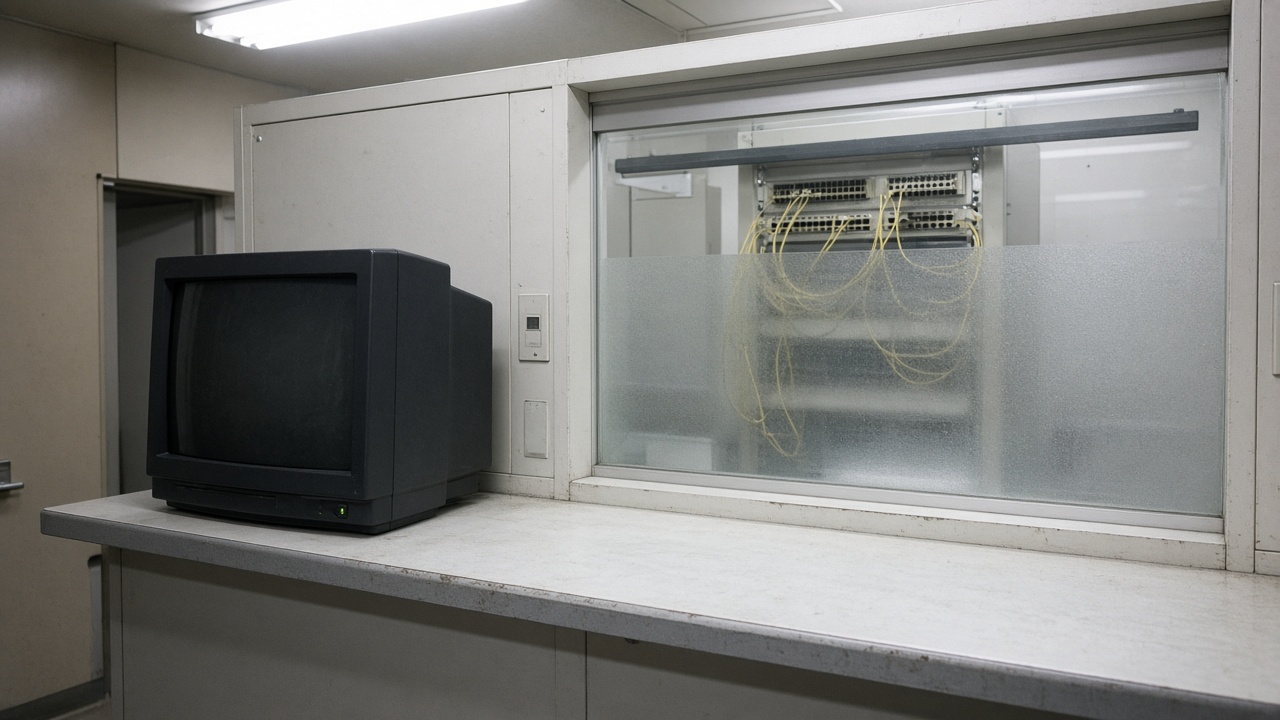
NTT East Corp. told enterprise customers Tuesday it will retire IPv4-only self-service kiosks at 42 regional centers by March 2027, accelerating a Ministry of Internal Affairs and Communications push for dual-stack connectivity ahead of a national IPv4 address crunch.
Scope of the shutdown
The carrier said billing inquiries, line-fault tickets, and new fiber orders placed through lobby kiosks must move to web portals or staff-assisted tablets that default to IPv6 transport. Legacy kiosks still print paper receipts with IPv4 traceroute diagnostics—a feature small businesses relied on when debugging on-premise routers. NTT East will offer free dual-stack CPE upgrades for contracts above 100 megabits per second that lack IPv6 capability.
Why 2027 is the hard line
Japan’s usable IPv4 pool is effectively exhausted at the carrier level; address trading prices on broker screens have doubled since 2024. MIC’s 2025 roadmap asked major telcos to stop provisioning IPv4-only business lines by fiscal 2027. NTT East’s announcement aligns its customer-facing tools with back-office address reclamation already underway in Hokkaido and Tohoku data centers.
Municipal customers face lead time
City halls that still run IPv4-only VPNs for disaster radio links have been the loudest critics in prior consultations. NTT East pledged onsite migration teams for prefectural governments with public-safety networks, but generic SME accounts must schedule conversions through partner systems integrators. Rivals KDDI and SoftBank Corp. have published similar IPv6 targets without kiosk dates, suggesting industry-wide retirement waves next year.
MIC roadmap pressure on regional carriers
The Ministry of Internal Affairs and Communications has asked major telecommunications operators to stop provisioning IPv4-only business lines by fiscal 2027, reflecting a national address pool that brokers now trade at roughly double 2024 prices. NTT East’s corporate news releases have framed lobby kiosk retirement as customer-facing alignment with back-office reclamation already underway in Hokkaido and Tohoku data centers. Dual-stack customer-premises equipment upgrades for contracts above 100 megabits per second aim to keep small businesses on supported gear without forcing every firm to buy new routers before the March 2027 kiosk cutoff. MIC’s IPv6 promotion policy documents cite smart-grid sensors and disaster communications as beneficiaries of expanded address space once legacy-only tooling is retired.
Who feels the change first
Forty-two regional service centers losing IPv4-only self-service units will push billing inquiries, fault tickets, and fiber orders through web portals or staff tablets that default to IPv6 transport. IT managers maintaining Windows Server 2012-era stacks face a stacked calendar: Microsoft extended support deadlines, carrier kiosk retirements, and municipal VPN upgrades for earthquake and tsunami radio links. Security auditors note that IPv6’s larger address space simplifies assigning identifiers to utility-pole IoT devices, a revenue line NTT East and rivals pitch to power companies modernizing grid maintenance. Household subscribers rarely touch kiosk diagnostics, but SME owners who relied on printed IPv4 traceroute receipts will need partner integrators to schedule conversions before the 2027 hard line.
Competitive timing among major carriers
KDDI and SoftBank Corp. have published IPv6 transition targets without naming kiosk retirement dates, suggesting NTT East’s Tuesday announcement may trigger follow-on customer notices next year. Free dual-stack CPE upgrades for business lines above 100 megabits per second aim to prevent service gaps when lobby units stop printing IPv4 traceroute diagnostics SMEs used for quick router checks. MIC’s 2025 roadmap asked carriers to halt IPv4-only business provisioning by fiscal 2027, aligning Japan with address-trading prices that brokers quote at roughly double 2024 levels. Prefectural governments with public-safety IPv4-only VPNs can request onsite migration teams, while generic SME accounts must book conversions through partner systems integrators named in Tuesday’s enterprise customer notice.
Security auditors note that IPv6 expands the address space available for internet-of-things sensors on utility poles—a growing revenue line as power companies digitize grid maintenance. For households, the change is invisible; for IT managers still running Windows Server 2012 boxes, it is another 2027 deadline beside Microsoft’s extended support cutoff.