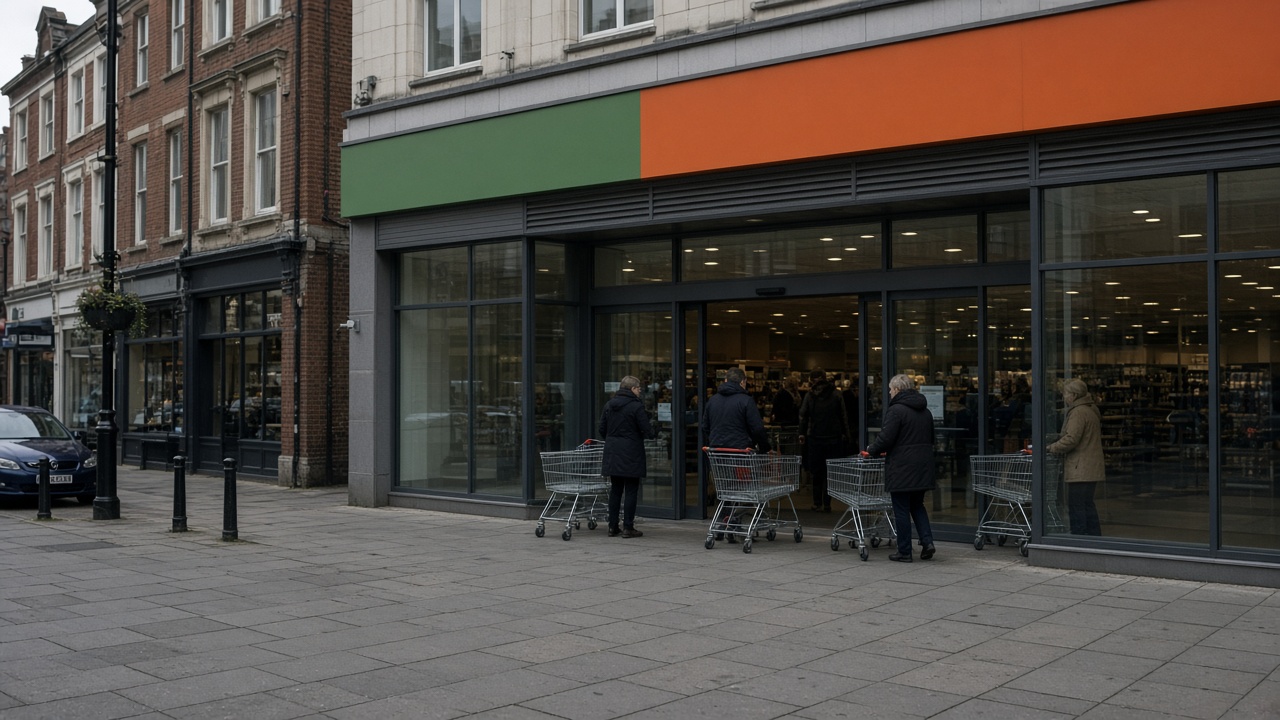
Sainsbury's explored a multibillion-pound tie-up with Morrisons between November 2025 and February 2026 before abandoning the talks, according to people familiar with the discussions cited in weekend reports. The episode puts Britain's second- and sixth-largest grocers back in the Competition and Markets Authority's orbit less than seven years after regulators blocked Sainsbury's £7.3 billion bid for Asda.
Why the talks stopped
People close to the process told the Financial Times that Sainsbury's ultimately walked away, and that negotiations are not active. Spokespeople for Sainsbury's and for Morrisons, which is owned by Clayton, Dubilier & Rice, declined to comment on Monday. Retail insiders quoted by Sky News said Morrisons's private-equity owner would remain open to a future combination with a larger rival.
The timing matters for shareholders and for shoppers. Sainsbury's reported softer underlying sales growth in its latest quarter, while Morrisons posted growth over the same period. Both chains are trying to defend margin against discounters Aldi and Lidl, which continue to open stores and cut prices on everyday baskets.
Regulatory memory still fresh
Any revived deal would almost certainly face a Phase 2 review. The CMA's 2019 block of the Asda merger turned on fears that fewer national competitors would push up prices on fuel and food. A Sainsbury's–Morrisons combination would overlap heavily in England and Wales, particularly in mid-market towns where both operate large stores.
City analysts said divestitures of hundreds of sites would be likely if a transaction returned. That would raise execution risk for Sainsbury's, which is also investing in automation at depots and in its Argos integration.
What happens next on the high street
Shares in Sainsbury's were little changed on Monday after the reports surfaced. The story does not imply an imminent offer, but it signals that boardrooms are again weighing scale as a defence against Aldi and Lidl rather than only price investment.
For Morrisons, a sale or merger would offer CD&R an exit after its £7 billion auction victory in 2021. For Sainsbury's, the question is whether management believes it can win share organically through Nectar prices and convenience formats, or whether it needs another transformative deal despite the Asda scar tissue.
Watchdog staff will not need to open a file until a formal notification lands. Until then, the disclosure resets investor expectations: consolidation is on the table, but only if competition lawyers see a path the 2019 Asda ruling did not.
Investor and supplier reactions
Bond investors treated Monday's reports as a governance signal rather than an imminent takeover premium. Credit analysts said Sainsbury's balance sheet could absorb a Morrisons deal only if synergy targets beat the £350 million the CMA estimated consumers would lose in the failed Asda merger. Suppliers, meanwhile, worry that another mega-merger would extend payment terms and centralise ranging decisions in Holborn.
Convenience rivals such as the Co-op and Waitrose are unlikely to bid, but could pick up divested stores if regulators demand them. That could accelerate the shift toward smaller-format shops near transport hubs, a format both Sainsbury's Local and Morrisons Daily have pursued independently.
Consumer watchdog lens
The CMA has not commented on the weekend reports. Historically it has taken a dim view of four-to-three national grocery consolidation, even when parties promise price freezes. Any future filing would trigger an initial enforcement notice within weeks, freezing integration planning until remedies are agreed.
Shoppers in Scotland and northern England would see the heaviest geographic overlap, particularly in towns where both brands operate large edge-of-centre stores. Fuel forecourts tied to Morrisons sites add another overlap vector the 2019 Asda review scrutinised closely.