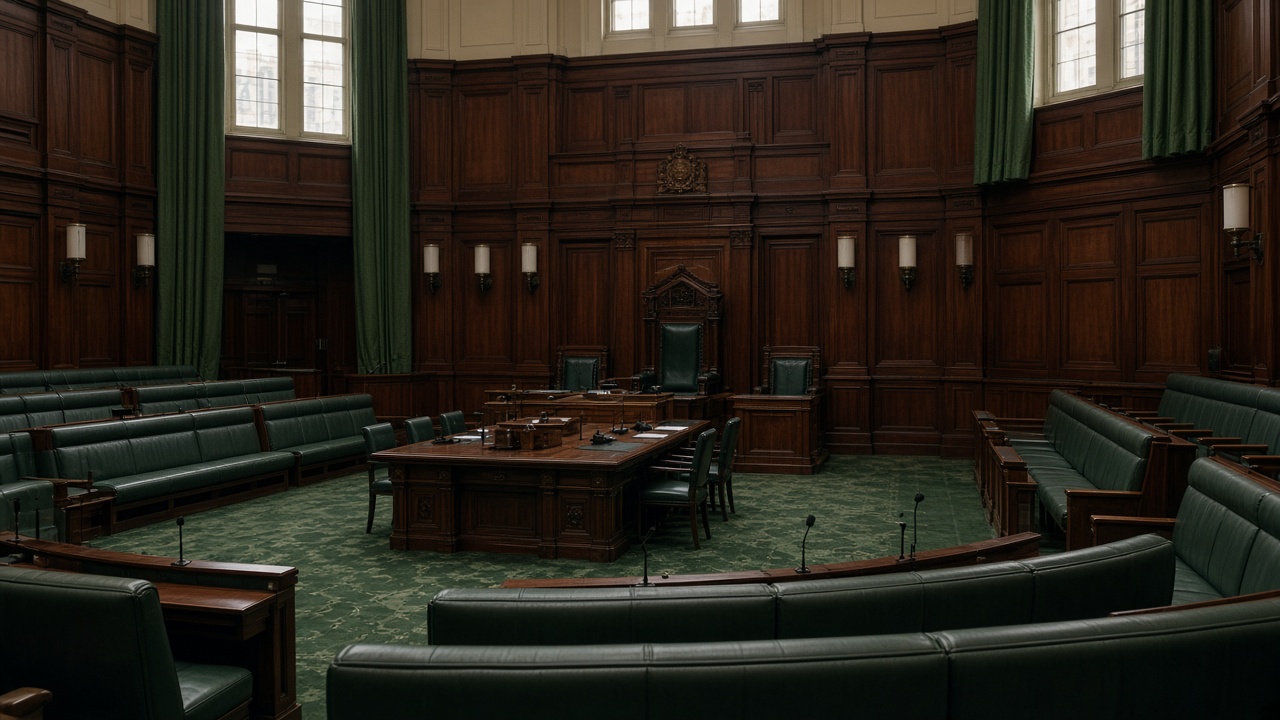
Teal independent Monique Ryan tabled a private member’s bill on Tuesday to prohibit active share trading by federal politicians, escalating a debate that resurfaced after several ministers disclosed well-timed transactions in defence and banking stocks.
Bill mechanics
The proposed law would require MPs and senators to place actively managed portfolios into blind trusts within six months of enactment, with civil penalties for trades executed directly or through family entities. Index funds and superannuation accounts with no member direction would remain exempt, mirroring elements of Canadian legislation introduced after pandemic-era ethics controversies.
Ryan told the House the measure would “remove the suspicion that parliamentary access moves markets before public announcements.” Government leaders did not commit support but said Labor’s existing ban on ministers trading individual stocks could be extended after a review led by the special minister of state.
Why timing matters
The bill lands during October sittings focused on cost-of-living relief and defence industry grants—both areas where procurement leaks can shift listed companies. Transparency International Australia said Australia lags comparable democracies on parliamentary market conduct rules, ranking behind the United Kingdom’s restrictions on ministers and the United States’ STOCK Act disclosure cadence.
Opposition finance spokeswoman Jane Hume argued blind trusts are “notoriously difficult to audit” and pushed instead for faster public disclosure within 24 hours of trades. Ryan’s bill includes a 48-hour reporting requirement to the register of members’ interests, with the clerk publishing online updates.
Constitutional and practical hurdles
Constitutional lawyers said any law must avoid impeding MPs’ ability to earn income outside Parliament, a tension that has sunk stricter proposals in the past. Ryan’s team consulted the parliamentary library on compatibility with section 44 disqualification rules; early advice suggests blind trusts are permissible if beneficiaries cannot direct trades.
Crossbenchers from the Greens and independents in regional seats signalled co-sponsorship, but passage without government numbers is unlikely. Still, private bills can force debate and amend government packages during committee stages.
Market reaction muted
ASX governance investors said ethical rules for politicians rarely move indices, but repeated ethics scandals can raise risk premia for companies dependent on federal contracts. Defence contractors noted that insider trading laws already apply; the political question is whether additional sector-specific bans restore trust.
Ryan will seek a second reading debate before the October recess. Even if the bill stalls, party rooms may pre-empt it with their own trading moratoriums ahead of an election year where integrity promises feature in campaign material across the spectrum.
State parallels
New South Wales already bars ministers from trading individual stocks, but backbenchers face lighter rules. Ryan’s federal bill would create a higher floor, potentially pressuring states to harmonise before the next COAG-style integrity roundtable.
Ethics committees in both chambers would gain staff to audit trust deeds, addressing concerns that part-time clerks cannot parse complex family structures.
What happens next
Officials and executives contacted by InfoHandle said they would publish further detail when audits complete, stressing that early figures can shift as more data arrives from registries, hospitals or trading desks. Analysts cautioned against treating a single day’s price move or one regulatory letter as proof of a lasting trend.
Consumer groups urged households to read updated product disclosures and to lodge complaints with regulators when timelines slip. For investors, the episode fits a broader pattern of tighter oversight across Australian finance, energy and health markets as Parliament returns for spring sittings.
State and federal agencies promised coordinated messaging so businesses do not face conflicting guidance. Whether that cooperation holds through the election cycle will determine how quickly confidence recovers in the sectors affected.
Local media will track implementation milestones weekly; our desk will update readers if material corrections or retractions are issued by primary sources.