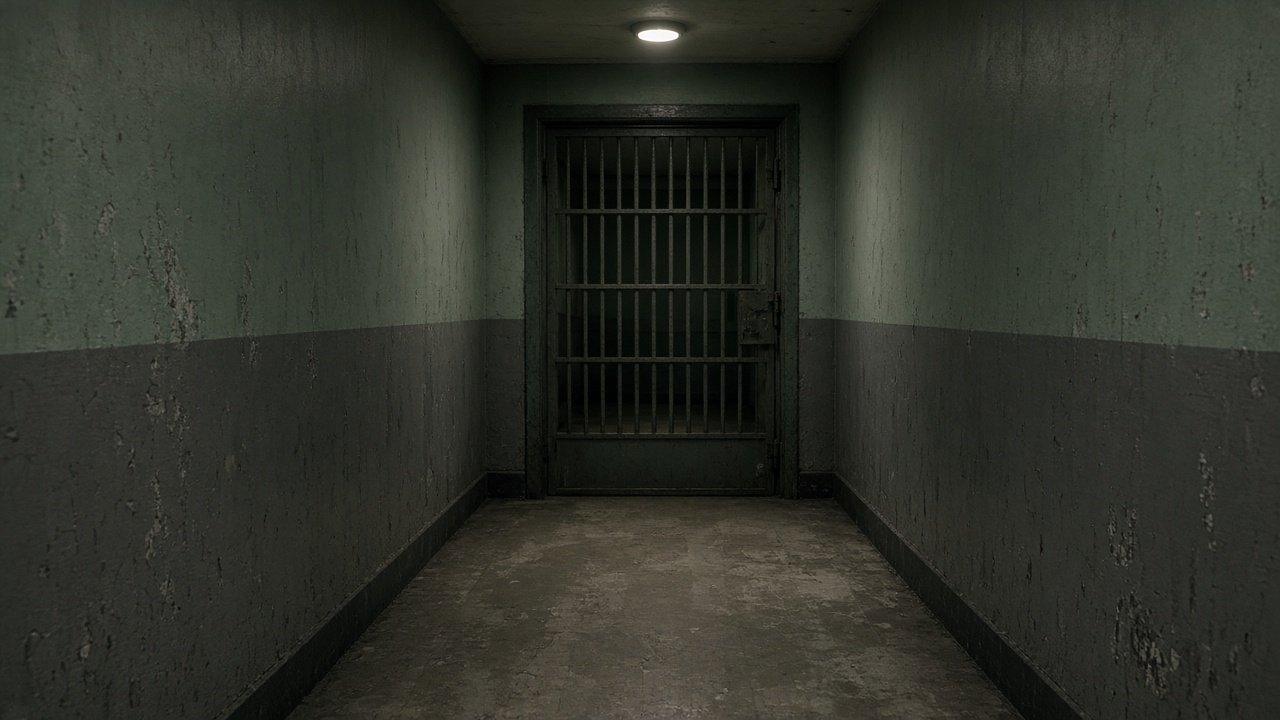
Jimmy McGovern's Time will return for a third series on Sunday 11 October, bringing David Tennant and Siobhan Finneran back to a young offender institution storyline filmed in Belfast with support from Northern Ireland Screen.
Release pattern
The BBC will drop episode one on iPlayer at 6am before a 9pm BBC One broadcast, with episode two on Monday 12 October and the finale on Sunday 18 October. BritBox co-produces for North America, and BBC Studios handles international sales.
McGovern wrote the series with Samuel Bailey, while Paul Whittington directs. The new trailer highlights custodial managers Bobby Bailey and Freddie Jennings, chaplain Marie-Louise, and younger inmates navigating violence and rehabilitation programmes.
Why the show still lands
Previous series won Baftas for confronting prison overcrowding and staff burnout without sensationalising violence. Public debate on youth justice has intensified after recent disturbances in adult prisons; a YOI setting lets McGovern examine whether punishment or education breaks recidivism.
Cast additions
New faces include Boiling Point actor Vinette Robinson and newcomers Victor Zhao and Jack Barnes. The production emphasises ensemble performances from young actors, a hallmark of McGovern's social-realist catalogue stretching back to Cracker and The Street.
Scheduling note
Time slots after Strictly Come Dancing's weekend dominance, aiming for adult drama audiences on Sunday nights. Critics will watch whether the third run sustains ratings without the novelty of Tennant's debut season. For the BBC, successful launches bolster the case for continuing serious drama on linear TV even as Netflix and Disney+ chase franchise IP.
Creative team continuity
McGovern's collaboration with BBC Studios Fiction has become a template for limited series that premiere on iPlayer before linear broadcast. The pattern maximises buzz among younger viewers who discover shows through social clips rather than schedules.
Critical expectations
Reviewers will compare the YOI setting with the adult prisons portrayed in series one and two, asking whether the show humanises young offenders without minimising victim harm. Previous seasons sparked justice ministry panel invitations; a third run could renew those conversations in Westminster.
Radio and podcast tie-ins are scheduled for the week of launch, including interviews on BBC Radio 4's Front Row. The publicity push underscores the BBC's bet that British social drama can still anchor Sunday schedules against streaming competition.