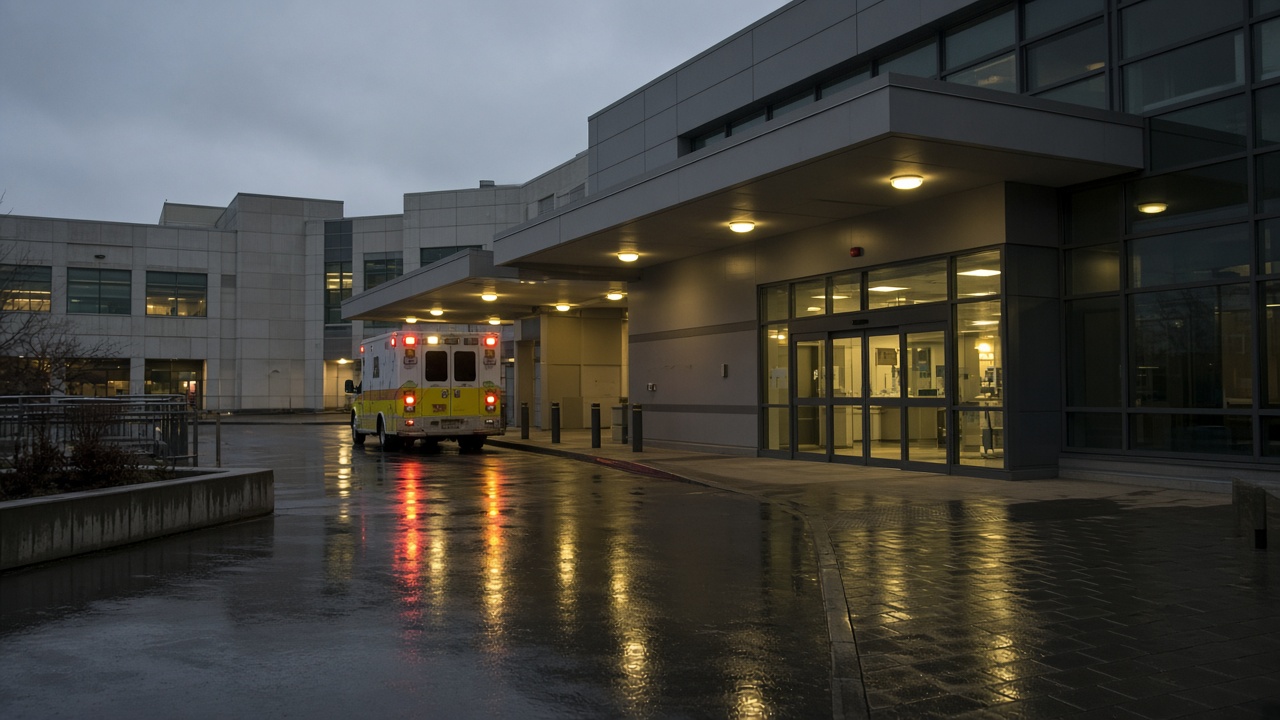
Senior NHS executives have told the government that autumn will test both finances and rosters as hospitals prepare for a seasonal rise in emergency admissions while trying to protect elective surgery slots.
Pressure points
Trust leaders cite frozen capital budgets, higher agency nursing costs, and delayed discharges when social care packages are unavailable. Winter viruses typically push bed occupancy above safe thresholds in December; managers fear 2026 will be worse because flu vaccination uptake among staff and vulnerable groups remains uneven.
Finance directors are modelling scenarios where energy and medical supply inflation outstrip the funding uplift agreed in the last spending round. Several trusts are pausing non-urgent IT upgrades to preserve cash for temporary staffing.
Workforce constraints
Retention bonuses for emergency department nurses have helped in some regions, but mental health and community teams still report vacancy rates above 10%. Training pipelines for paramedics and midwives cannot fill gaps within a single winter.
Policy context
Ministers want shorter waiting lists for cancer and orthopaedics, metrics that depend on spare theatre time. If emergency demand spikes, cancellations ripple into outpatient clinics. Integrated care boards are asked to coordinate discharges, but local authority funding for home care remains the binding constraint in many counties.
What patients can expect
Unless national leaders release contingency funds, expect longer ambulance handover delays and renewed calls to use NHS 111 before attending A&E. Trusts may reintroduce mask policies in high-risk wards if respiratory admissions climb. The underlying message from executives is blunt: without staffing and social care capacity, winter planning slides back to corridor care regardless of press releases.
Elective recovery trade-offs
National targets for 18-week referral-to-treatment times slip whenever emergency admissions spike. Trust chairs are asking integrated care boards to pre-agree which elective lists will pause first — typically orthopaedic hips and knees — so cancer pathways keep theatre access.
Primary care linkage
GP federations report flu vaccination bookings up week on week, but district nursing teams remain too thin to administer home visits at scale. That pushes frail patients back into A&E when minor infections worsen.
Charity helplines are reporting earlier demand for fuel and food vouchers, a leading indicator that cold weather will push more patients with chronic conditions into crisis admissions if community support stays thin.