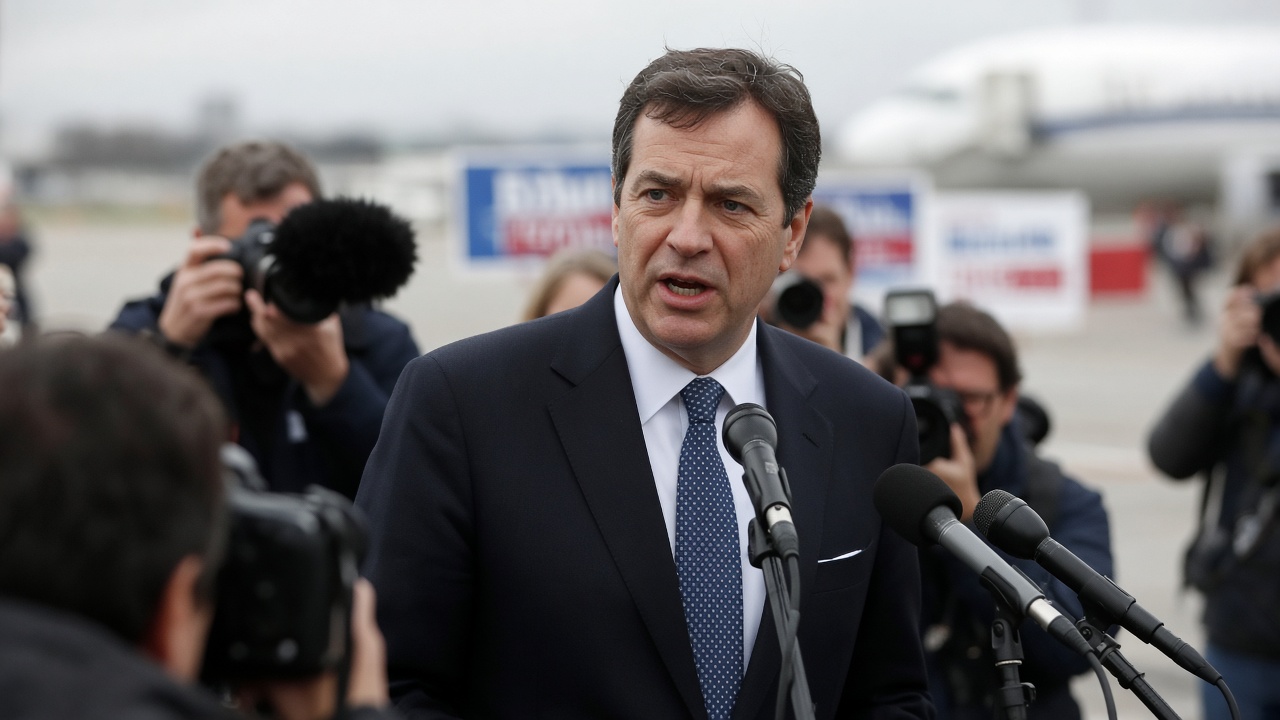
U.S. Vice President JD Vance said Iran must make a “meaningful” cut to its nuclear enrichment capacity before Washington will treat any deal as serious enough to end a war that is now in its eighth month, rejecting Iranian pledges to scale back later while keeping highly enriched fuel on hand today.
Speaking to Reuters on Monday after a campaign swing through Alaska, Vance framed enrichment as the threshold test for any settlement. “If you don’t want a nuclear weapon, then why do you need 60% enriched fuel?” he asked. “And if you want to show commitment to not building a nuclear weapon, don’t build highly enriched fuel. That’s a very basic threshold issue.”
Words versus centrifuges
Vance has taken a leading public role in the administration’s Iran diplomacy since U.S. and Israeli strikes at the start of the conflict killed Supreme Leader Ayatollah Ali Khamenei, leaving a fractured power structure in Tehran that U.S. officials say they still cannot map cleanly. In the interview, he said negotiators remain open to an agreement but will not accept promises in place of measurable reductions at enrichment sites.
“We’re not going to trade words for actions,” Vance said. He added that if Iran “want[s] to show a commitment to not building a nuclear weapon, they would do something meaningful on their enrichment capacity” rather than offering assurances of future drawdowns while stockpiles remain elevated.
Political clock in Washington
The war has rippled through global energy markets and become a domestic political problem for President Donald Trump and Republicans heading into November’s midterm elections. Vance, long skeptical of U.S. involvement in foreign wars, helped broker a provisional peace framework in June that collapsed within weeks, and he has since been the most visible administration voice on what Tehran must concede before fighting stops.
Foreign Minister Abbas Araqchi and other Iranian envoys have held intermittent talks with intermediaries in recent weeks, but Vance said it remains unclear how much authority those figures wield inside Iran’s security establishment. Trump separately told reporters Tuesday that “nobody knows” who is running Iran, amplifying the administration’s public uncertainty even as carrier strike groups and air defenses remain engaged across the Gulf.
What negotiators watch next
Western diplomats said Vance’s emphasis on near-term enrichment cuts aligns with long-standing U.S. red lines on weapons-grade material, but it also raises the bar for any quick ceasefire if Tehran insists that enrichment is non-negotiable while under attack. European officials have urged parallel humanitarian corridors and Hormuz shipping protections, yet the vice president’s comments make clear that nuclear capacity—not just missile launches—sits at the center of Washington’s end-state.
Iranian state media have not responded directly to Vance’s Monday remarks as of early Wednesday in the Gulf. Regional capitals tracking the Reuters interview said the next indicator will be whether Tehran offers verifiable centrifuge dismantling or continues framing enrichment as sovereign policy immune from wartime bargaining.