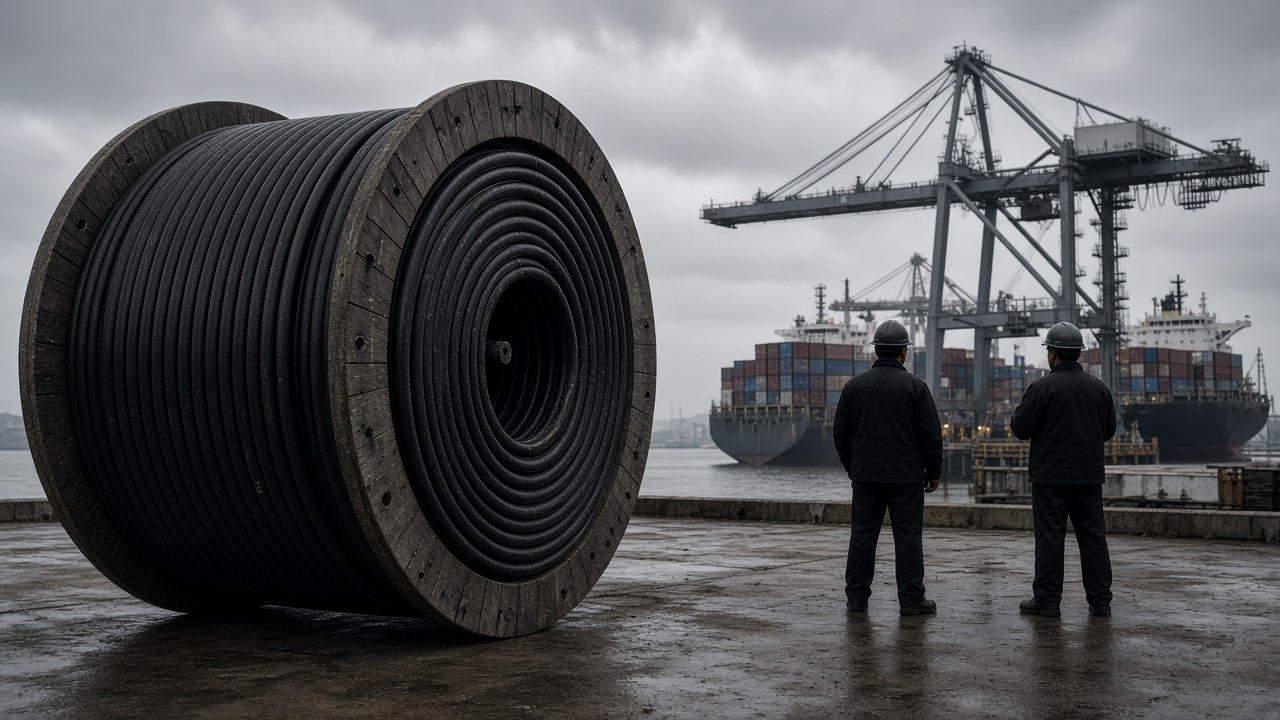
Gulf Energy Development and Singtel Group are building a new submarine cable linking Thailand and Singapore, adding subsea capacity aimed at cloud computing and artificial intelligence workloads that are outgrowing existing routes through the Malacca Strait.
Why another cable matters
Singapore markets itself as a regional internet exchange point, but landing stations and backhaul links still constrain how much traffic can fail over when a cable cuts. Thailand’s eastern seaboard hosts growing data centre parks tied to Gulf’s energy and digital investments; a direct Singapore tie reduces latency for banks and games companies serving both markets.
Submarine projects take years from survey to lit fibre, yet announcements signal where telcos expect the next decade of revenue. Singtel’s enterprise arm already sells cloud on-ramps to AWS, Azure and Google; owning more seabed pairs gives it bargaining power on IRU pricing when hyperscalers shop for diversity.
AI traffic as the sales pitch
Public statements frame the cable around AI and cloud rather than vanilla consumer mobile growth. Model training and inference generate east-west flows between Singapore GPU hubs and Bangkok expansion zones. Even if consumer 5G ARPU flatlines, machine-to-machine traffic keeps rising — the business case Gulf and Singtel are betting on.
Regulators in both countries still must approve marine surveys and landing permits. Cable cuts in the Red Sea and South China Sea have reminded operators to plan redundant paths; a Thailand–Singapore leg adds another card in the resilience deck.
Local implications
Household broadband prices may not move immediately, but enterprise VPN and CDN costs can fall when capacity rises. Singapore developers hosting in Changi or Jurong data parks could see improved routes to Thai fintech and manufacturing clients. For Singtel shareholders, capex cycles are lumpy; projects like this explain why dividend cover gets scrutinised whenever fibre spend accelerates.
Competitors including regional consortium cables will watch landing rights and pricing. If Gulf’s energy balance sheet co-funds construction, Singtel spreads risk — a template other ASEAN telcos have copied with state-linked partners.
Timeline and unknowns
Neither company published a ready-for-service date in early announcements; marine installs depend on weather windows and repeater shipments. Until then, the story is strategic: Singapore keeps reinforcing subsea links even as data sovereignty debates push some workloads onshore.
When the cable goes live, capacity will be sold in terabits to carriers and hyperscalers long before consumers notice. For Singapore’s tech desk, the headline is infrastructure — the boring layer that AI hype still cannot skip.
Competition on the seabed
Other ASEAN carriers already operate multiple Thailand–Singapore routes; the new build must win on latency, repair SLAs and price to pull traffic from existing IRU contracts. Gulf’s energy footprint may help if data-centre parks co-locate with power assets the group already controls.