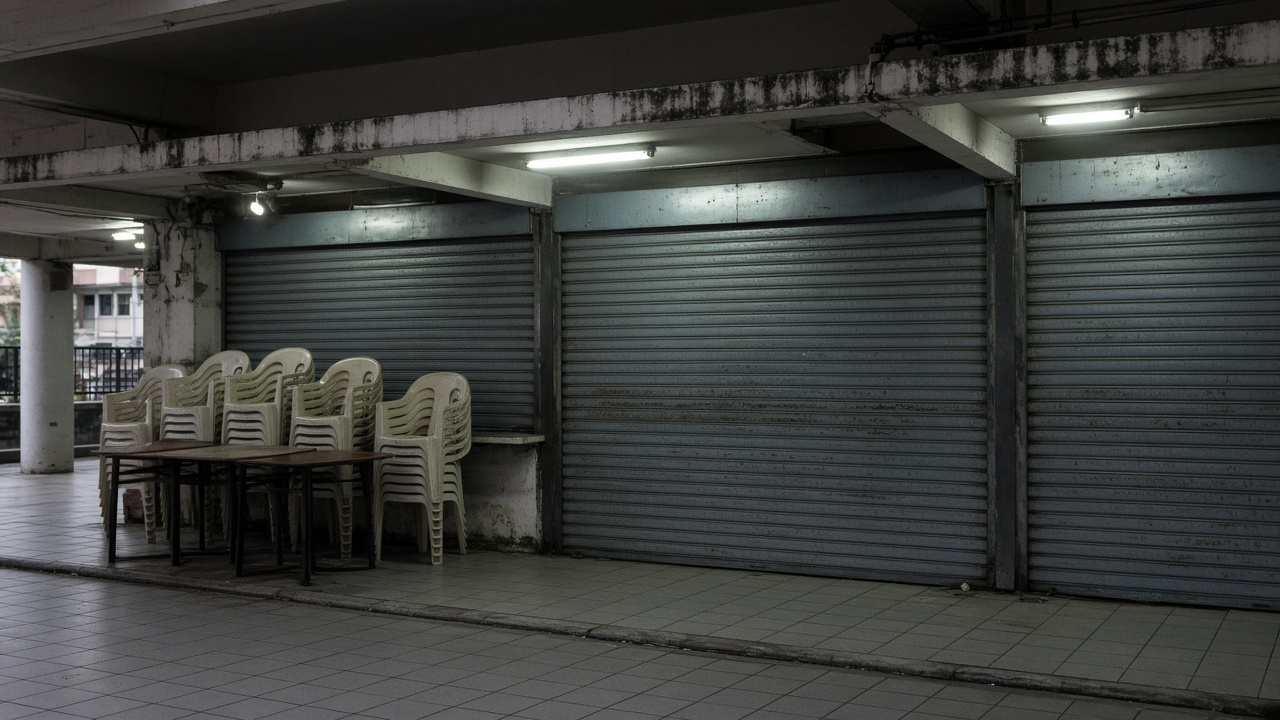
Dapur Hassan served its last lunch from a permanent Tampines stall on Sunday 4 October, ending six years at a heartland block as former Singapore goalkeeper Hassan Sunny said manpower — not rent — forced the shutdown while he learns his mother-in-law’s nasi padang recipes to keep the brand alive through delivery and pop-ups.
What closed on the ground
The stall at Block 144 Tampines Street 12 was the second site for Dapur Hassan after an earlier unit at Tampines Street 86. Customers knew the queue for beef rendang, ayam balado and lontong served cafeteria-style on banana leaf. Hassan, 42, said his mother-in-law had been the main cook; when she could no longer keep the pace, hiring reliable hawker assistants proved harder than expected.
That narrative differs from the rent-first story often told about F&B pain. Parliament heard a related debate on 6 October when MP Jamus Lim argued hawker centres need manpower flexibilities, including broader hiring rules for stall assistants. Senior Minister of State Low Yen Ling replied that rent controls could distort commercial leases, while noting government targeted schemes already exist.
What Hassan plans next
Rather than signing another long lease immediately, Hassan is weighing pop-ups, bazaars and continued Grab delivery after a short break. He told reporters he intends to take over cooking duties himself, having spent months learning spice bases and protein prep from his mother-in-law.
For fans, the brand is not dead — but the predictable weekday lunch at Tampines is. Social media followers who tracked Hassan’s football career and hawker pivot will need to watch delivery apps and event announcements for the next fixed location.
Why the story resonates beyond one stall
Hawker closures make headlines when celebrities are involved, yet the underlying issue — finding assistants willing to work split shifts in heat — is familiar to uncles and aunties without Instagram accounts. Average age of hawkers keeps rising; families that do not pass recipes to the next generation often simply stop.
Dapur Hassan’s closure also lands beside other October exits, including younger operators who left finance careers and found 70-hour weeks unsustainable. Together they paint a picture of demand for local food without a matching labour pipeline.
What customers can do now
Until Hassan announces a new site, delivery remains the channel he has committed to after the break. Catering enquiries that kept the kitchen busy on weekends may still be honoured depending on capacity once he resumes cooking.
Tampines residents lose a walk-up option, but the recipes Hassan is training on are the asset he hopes to redeploy. Whether that becomes another brick-and-mortar stall or a roving nasi padang counter will determine if this is a pause or a permanent shift to leaner formats — a calculation many hawker families are making in 2026.