Iran-backed Houthi forces claimed fresh missile and drone strikes on Saudi airports and military sites on Wednesday, hours after Riyadh escalated a ground campaign to claw back Yemeni territory along the Red Sea coast. The dual announcements deepened a conflict that had largely idled under a four-year truce until last month, when fighting surged again around the Bab el-Mandeb strait and key southern ports.
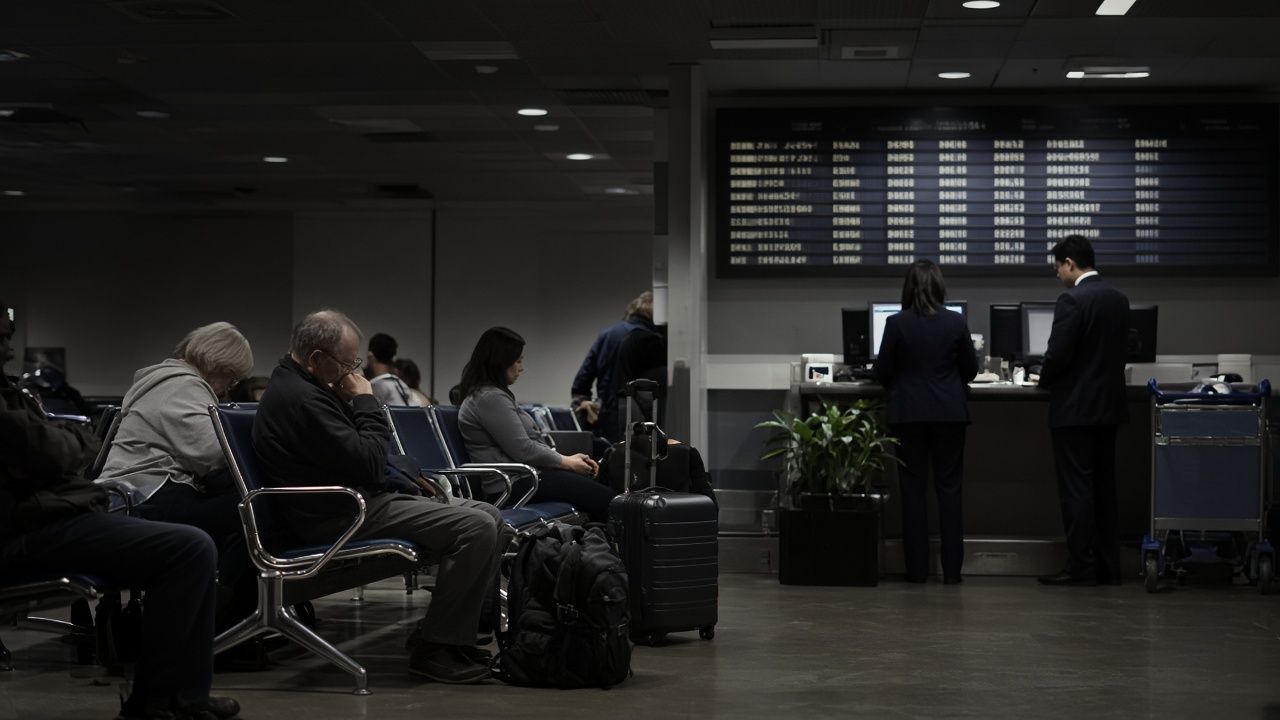
Houthi military spokesperson Yahya Saree said the group targeted airports and other facilities inside Saudi Arabia as part of what he described as continued support for Palestinians and pressure on the kingdom’s leadership. Saudi authorities have not issued a full tally of Wednesday’s damage, but the General Authority of Civil Aviation has repeatedly confirmed recent strikes on southern airports, including disruptions that forced arriving aircraft to hold or divert.
Aden camp and airport corridor
The rebels also said they fired ballistic missiles at a military camp close to Aden’s airport early Wednesday. An Associated Press journalist in the city reported hearing explosions around 2 a.m. Security officials in Aden, where Yemen’s internationally recognized government is based, said two missiles were aimed at the airport area but reported no casualties there. The airport sits beside civilian neighborhoods and government offices, making even near-miss strikes a risk to aviation and aid flows.
Humanitarian agencies have warned that any sustained targeting around Aden could complicate passenger and cargo movements in a country where roughly half the population already depends on assistance. The Houthis control much of northern Yemen, including the capital, Sanaa, while the Saudi-backed coalition and local allies hold southern and eastern pockets.
Saudi ground push on the western coast
The strikes landed as Saudi and allied Yemeni forces mounted a major offensive to retake towns the Houthis captured in September along Yemen’s western Red Sea shoreline. Those gains gave the rebels more control over shipping lanes that serve as an alternative route when the Strait of Hormuz is contested, a concern that has grown as the wider Iran war has stretched into its eighth month.
United Nations agencies estimate that nearly 1,000 people have been killed and more than 180,000 displaced since the latest escalation began, with malnutrition clinics reporting rising caseloads and harder access to care. Aid officials say the renewed ground fighting has reopened battle lines that had been frozen since 2022, pulling the kingdom deeper into a war it had hoped to wind down through diplomacy.
Energy routes and what comes next
Saudi Arabia, the world’s largest crude exporter, has absorbed repeated attacks on oil infrastructure and military bases in recent weeks. Riyadh has framed the western Yemen offensive as necessary to secure Red Sea access and to prevent the Houthis from using captured ports to stage further strikes. The rebels, for their part, have tied their campaign to regional solidarity with Iran and to punishing states they say enable Israeli military operations.
Diplomats in the Gulf say the immediate question is whether either side will accept a new pause once territorial goals are met, or whether the Aden and Saudi airport strikes signal a longer cycle of retaliation. U.S. and European officials have urged channels for humanitarian corridors to stay open, but no ceasefire talks were publicly scheduled as Wednesday’s exchanges unfolded.