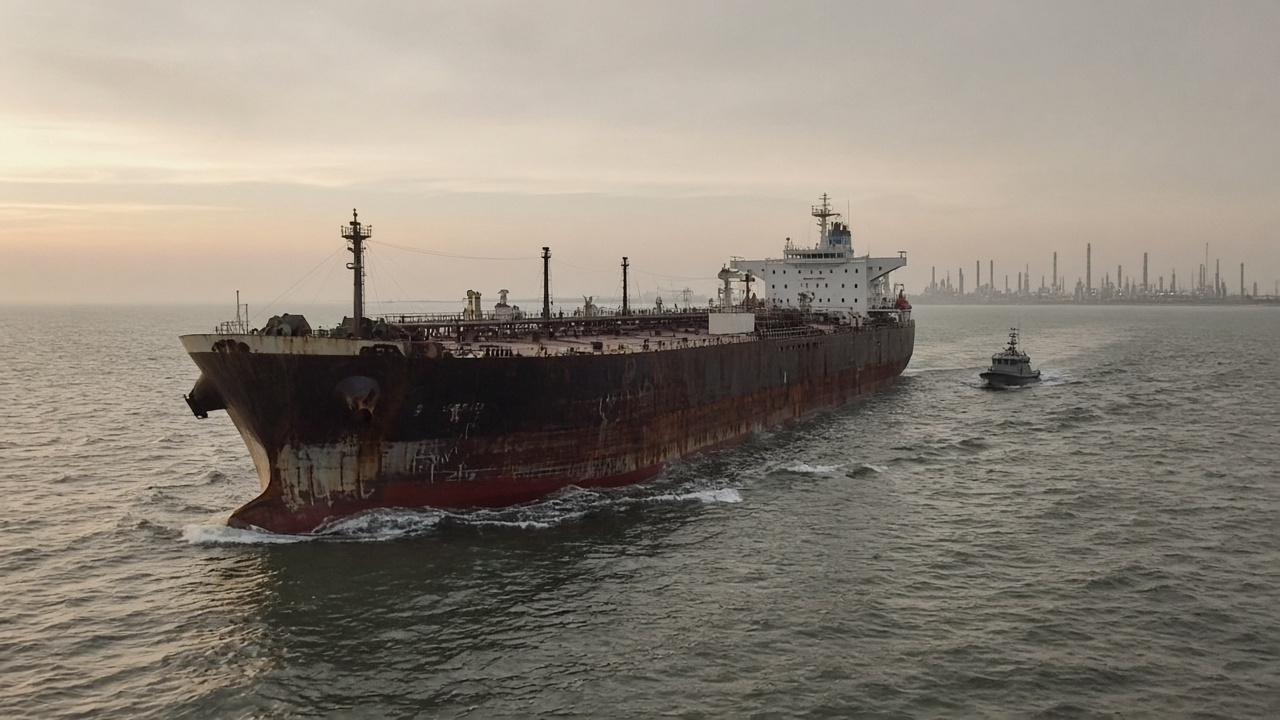
Iran and Oman have agreed on the geographical coordinates of designated safe-transit routes for vessels entering and leaving the Strait of Hormuz, Iranian Foreign Ministry spokesman Esmaeil Baghaei said Wednesday, marking a concrete step in a phased effort to reopen one of the world’s most heavily trafficked oil chokepoints.
Baghaei said the two governments also settled how those coordinates would be communicated to the relevant international maritime body, according to Iran’s state-run IRNA news agency. The announcement builds on an August framework in which Oman and Iran discussed a temporary navigational corridor, mine clearance and eventual permanent traffic-management arrangements.
What the coordinates change — and what they do not
Mapping corridors is not the same as guaranteeing passage. Iranian officials have repeatedly tied full reopening of Hormuz to wider political conditions, and Baghaei’s statement arrived as other Iranian voices warned they would move against what Tehran calls illegal shipping lanes near Oman’s coast. Shippers therefore face a split screen: a diplomatic paper trail that names safe lanes, and live security incidents that keep war-risk insurance and escort demand elevated.
On Wednesday, a tanker off Qatar’s northern coast reported being struck by multiple projectiles, the United Kingdom Maritime Trade Operations agency said, with casualties reported and an investigation underway. That hit, roughly 51 nautical miles north of Qatar, came the same week CENTCOM insisted commercial traffic was still moving through Hormuz, including millions of barrels of crude, while rejecting Iranian claims that the strait was closed.
Markets still price fear above the map
Brent crude remained near $100 a barrel on Thursday despite the Iran-Oman announcement, reflecting freight surcharges, attack frequency and the cost of alternative routing rather than a single diplomatic bulletin. Traders said any relief from mapped corridors could be erased quickly if projectiles keep finding tankers outside the narrow lanes insurers are willing to underwrite.
India’s foreign ministry, meanwhile, said officials discussed Hormuz and broader regional security with Omani counterparts during the latest round of the India-Oman Strategic Consultative Group in New Delhi — a reminder that Gulf shipping risk is not only a Washington–Tehran file. Asian importers continue to watch Muscat’s mediation role as both a channel to Iran and a partner in keeping energy lanes legible to their navies and state refiners.
What happens next
Maritime lawyers and port agents will be watching whether the coordinates are filed in a form recognized by flag states and whether underwriters accept them in policy wordings. Without that uptake, the agreement risks becoming a reference chart that captains keep on the bridge while still paying premiums priced for combat zones.
Omani officials have not publicly detailed enforcement or deconfliction mechanisms in the corridors. Until those are visible to masters, pilots and P&I clubs, the practical test for this deal is simple: whether a laden tanker can sail the published track without incident — and whether the next attack report names a lane Tehran and Muscat just blessed as safe.