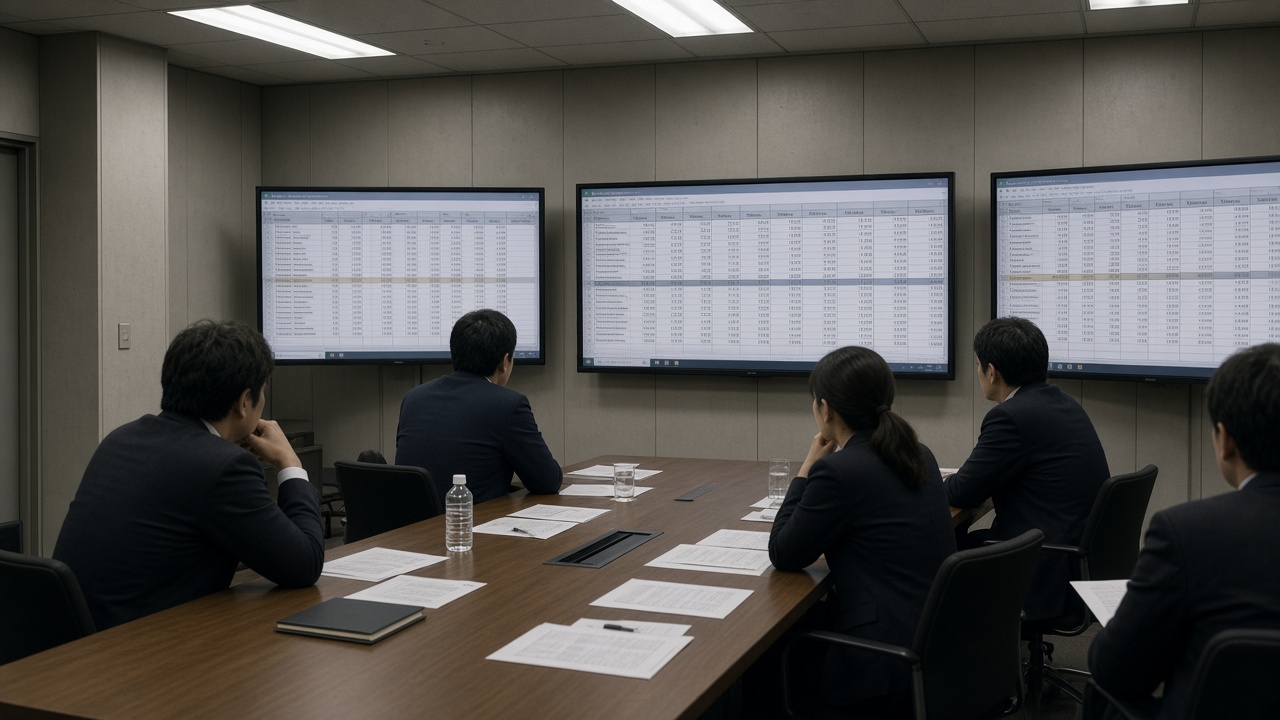
Japan’s government plans to open detailed banking-sector datasets to outside researchers as early as this fiscal year, allowing academics to probe loan books and balance-sheet trends that regulators already collect but rarely share beyond the ministry campus.
The shift, reported Tuesday by Nikkei, would let scholars analyze information drawn from major lenders alongside Bank of Japan statistics. Officials hope third-party models can flag concentration risks, regional credit gaps, or emerging stress in sectors that headline ratios smooth over.
Why supervisors want outside eyes
Financial Services Agency examiners and BOJ market staff already ingest quarterly disclosures, stress tests, and on-site inspection notes. Yet Japan’s bank count has shrunk through mergers while overseas shocks—energy prices, yen swings, and technology capex cycles—move faster than the publication calendar.
A research channel could test whether rising commercial real-estate exposures in regional cities, or small-business loan guarantees tied to pandemic-era programs, are deteriorating before they surface in earnings guidance. Proponents compare the idea to anonymized medical registries: the public benefits when independent teams verify what agencies think they see.
Privacy and competition guardrails
Any release would require stripping borrower identities and scrubbing fields that might reveal a single corporate client. Banks worry that even aggregated slices could hint at strategy; the FSA is expected to confine early access to vetted university labs and national research institutes with security clearances.
Officials also face a political clock. Prime Minister Sanae Takaichi’s coalition is debating a large food-tax cut that must be funded without new deficit bonds. Demonstrating evidence-based oversight—showing that someone outside the Kasumigaseki belt can audit the numbers—may help Finance Minister Satsuki Katayama reassure bond investors already anxious about Japan’s G-7-leading debt load.
What changes for households
Retail depositors will not download the datasets themselves, but the policy could eventually tighten early-warning systems for bank failures or branch pullbacks in shrinking towns. If researchers show that certain mortgage vintages are under-reserved, supervisors could force earlier capital cushions, indirectly stabilizing the lenders that hold most Japanese savings.
Negotiators still must align BOJ confidentiality rules with FSA inspection secrecy. A pilot could begin with historical files several quarters old before anyone touches current loan tapes. For now, the announcement is a signal: Tokyo wants bank oversight to look more like empirical science, not just checklist compliance.