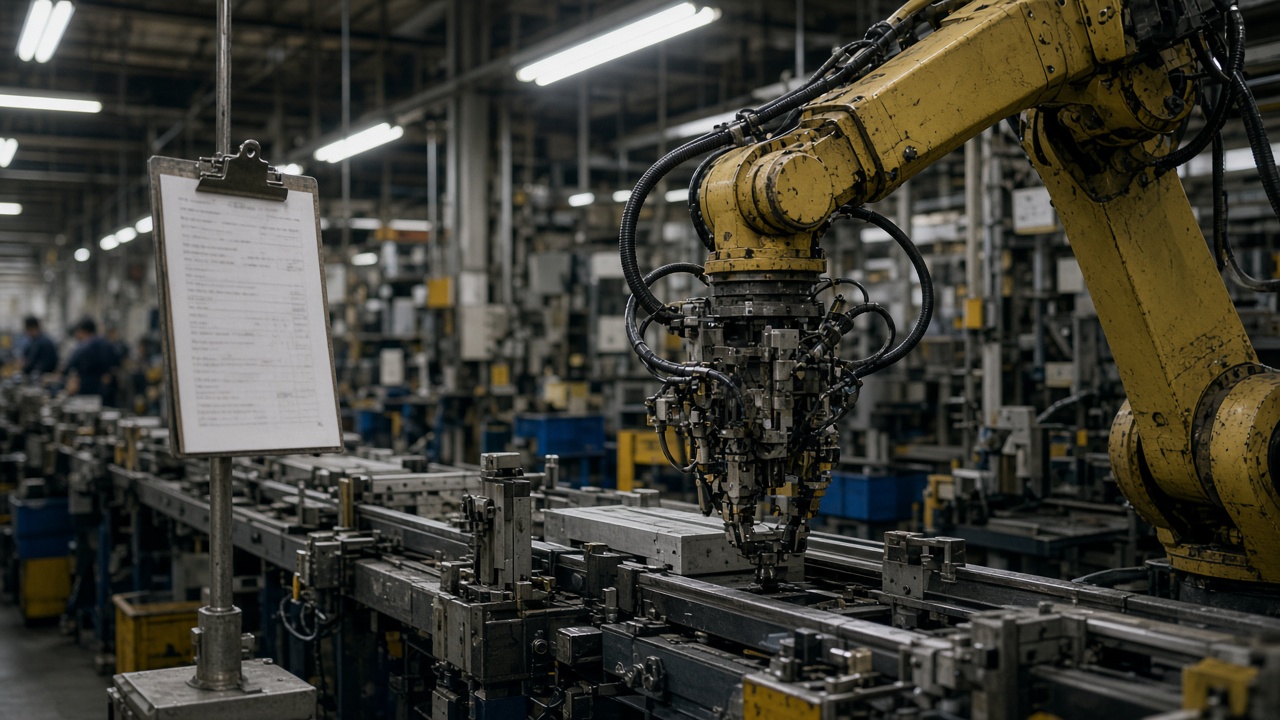
Japanese manufacturers began uploading completed safety checklists tied to METI and MIC’s AI Guidelines for Business version 1.2 this month, Mei Kobayashi’s AI desk reports, as plant managers translate March’s soft-law update into shop-floor paperwork for vision-inspection models and collaborative robots.
Why v1.2 matters on the floor
The March 31 release integrated prior governance memos into a single lifecycle framework: inventory AI systems, score risks, document benefits and harms, and keep human override paths for high-impact decisions. Appendix worksheets walk teams through data lineage, vendor contracts and incident response—fields that used to live in ad hoc PowerPoints.
Non-binding does not mean optional for suppliers. Automakers and electronics assemblers are asking tier-two plants to show completed checklists before renewing quality agreements. A missing row on training-data provenance can delay shipments even without a fine.
What plants are filing
Teams are prioritizing defect-detection cameras and predictive maintenance models that sit near moving equipment. Checklists ask whether models can force a line stop, who signs off on false positives, and how logs are retained if labor inspectors arrive after a near miss. Kobayashi’s desk sees smaller metal shops adopting the Excel worksheet before building custom MLOps stacks.
Regulatory context
METI stresses management accountability: boards must see AI risk reports, not just IT tickets. Cross-ministry alignment with MIC keeps telecom and manufacturing rules from diverging. Companies that already filed v1.1 diffs are mapping what changed in appendices on generative AI logging.
Next watchpoint: whether customer audits treat uploaded checklists as contractual warranties or educational drafts. Until then, October uploads are the compliance photograph Japan’s factory base is taking.
Supply-chain audits
Tier-one electronics assemblers are embedding checklist uploads into supplier portals, requiring PDF signatures from plant managers before shipments release. METI officials told industry groups that v1.2 worksheets are acceptable evidence in ministry fact-finding visits even though they are not legally binding orders.
Smaller factories without dedicated AI teams are hiring regional IT consultants to complete the Excel workbook, creating a short-term services market around Nagoya and northern Kyushu industrial parks.