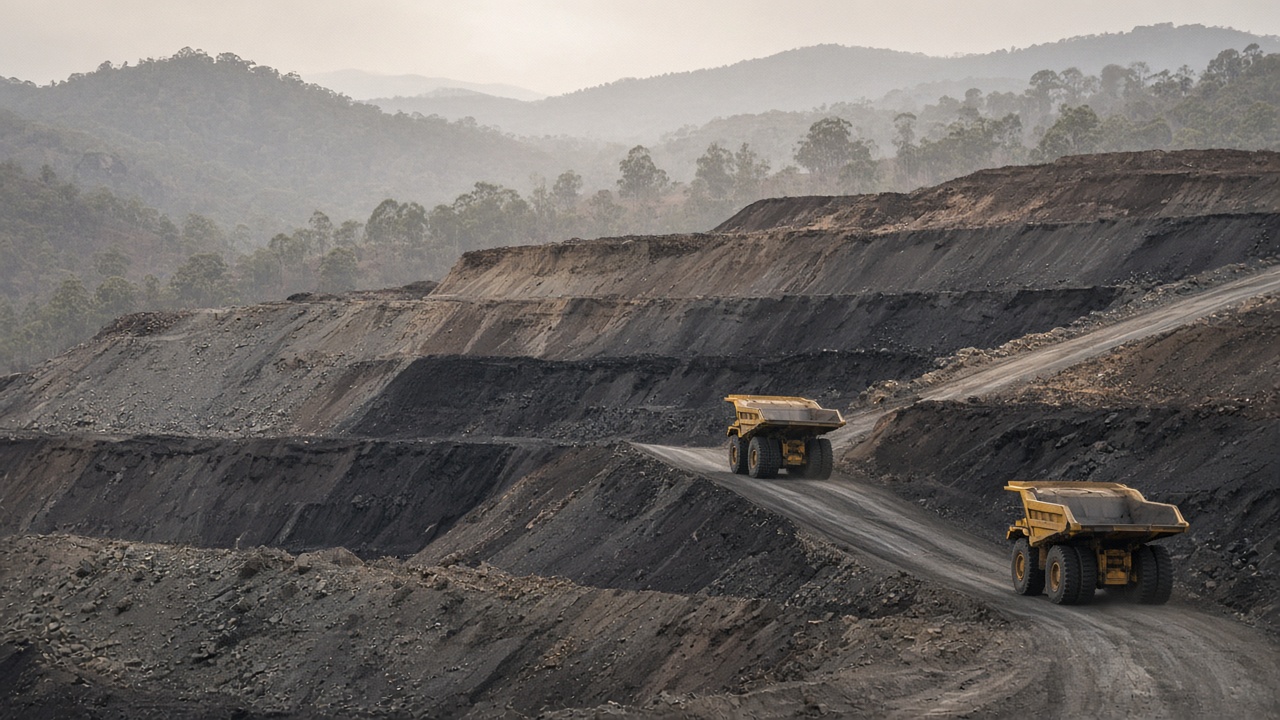
Australia’s High Court has halted a major extension of the Mount Pleasant open-cut coal mine, ruling that New South Wales planning authorities failed to require emissions limits “to the greatest extent practicable.” The decision, handed down early Wednesday Sydney time, ends—for now—Mach Energy’s bid to keep mining at the site until 2048 and is being described by environmental lawyers as a precedent that will ripple through state approval processes nationwide.
What Mach Energy sought
Mach Energy, which operates the Hunter Valley operation, had asked regulators to extend the mine’s life by more than two decades beyond its previous horizon. The expansion would have kept a large thermal coal export stream online as global buyers continue to debate how quickly to shift power generation away from fossil fuels.
State planners initially cleared the project, but community and legal challengers argued the assessment treated climate impact too narrowly—focusing on local disturbance without binding conditions on the planet-warming pollution that would follow when the coal was burned overseas.
How the High Court ruled
In a brief written judgment, the court dismissed Mach’s appeal. It found the Independent Planning Commission did not properly consider imposing practicable caps on greenhouse-gas emissions tied to the project.
Lead counsel for the challengers, Anita O’Hart, called the outcome historic for Australian environmental law. She said courts and planning bodies across the country would now need to apply the same standard, and that international observers would study the ruling as one of the most significant domestic climate decisions in years.
Reaction from the company and campaigners
Mach Energy said it was disappointed but would accept the court’s decision. The firm did not immediately outline whether it would redesign the application with stricter conditions or pursue a smaller scope of work.
Conservation groups that backed the legal challenge said the judgment vindicated years of argument that export coal approvals cannot ignore combustion emissions. They urged state governments to update guidance so future mine reviews spell out enforceable climate conditions up front, rather than leaving gaps for years of litigation.
Why it matters beyond one pit
Australia remains one of the world’s largest exporters of coal and liquefied natural gas, and Hunter Valley mines have long anchored payrolls and rail traffic in New South Wales. Any ruling that tightens climate conditions on new or extended pits touches both federal climate politics and regional economies that still depend on royalty flows.
For investors, the case is a reminder that “social licence” now includes courtroom tests of planning law, not just commodity prices. For communities along the coal chain—from ports in Newcastle to power plants in Asia—the Mount Pleasant outcome keeps a live question on the table: who must account for emissions when the product leaves Australian soil?