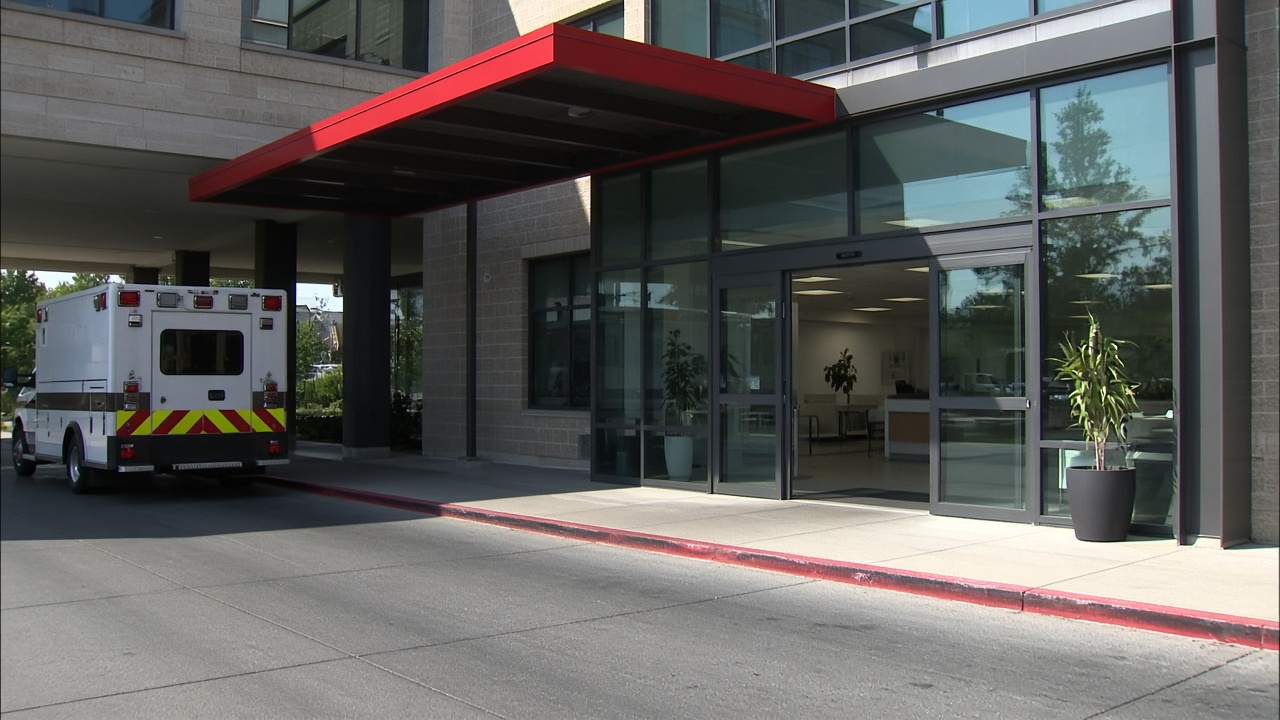
Osaka municipal hospitals continued to treat heatstroke cases into the first week of October after September temperatures broke long-standing records, Hana Inoue’s health desk reports, as lingering humidity keeps heat-index readings dangerous for elderly residents who scaled back air-conditioning to save on electricity.
Why October cases surprise clinics
Emergency physicians expected admissions to taper once school sports festivals ended, but night-time lows stayed high and daytime construction sites kept reporting collapses. Municipal facilities logged moderate dehydration alongside severe hyperthermia, suggesting delayed presentations rather than single catastrophic events.
Public health response
City nurses reopened cooling guidance at community centers and pushed employers to restate water breaks for outdoor staff. Pharmacies near rail hubs restocked oral rehydration salts after sell-through in late September. Inoue’s desk watches whether insurers add heat riders to senior supplemental policies.
What households should do
Keep hydrating even when calendars flip to autumn sports. Check neighbors who live alone. Heatstroke in October is a policy signal: climate adaptation budgets must fund year-round cooling access, not only August posters.
Clinical detail
Doctors report more cases where patients cooled down at home before collapsing during evening commutes, delaying electrolyte replacement. Municipal EMS crews added IV fluid kits to bikes patrolling shopping arcades near Tennoji and Namba, where canopy cover traps heat even after sunset.
Employers in construction and delivery trades face renewed labor-standard interviews if repeat incidents occur on the same worksites; the city labor bureau said it will publish anonymized sector counts monthly through November.