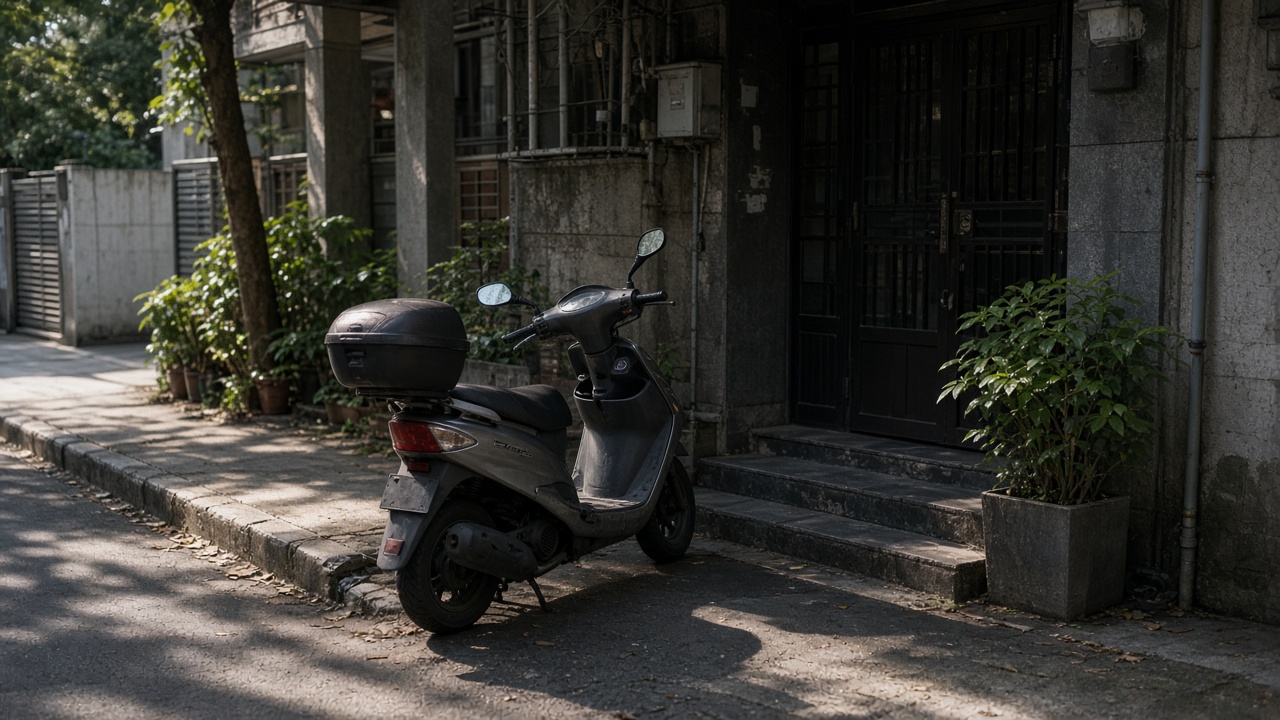
Taipei prosecutors indicted four Taiwanese defendants Wednesday on privacy charges, alleging they were paid from Hong Kong to conduct weeks of video surveillance on Democratic Progressive Party lawmaker Puma Shen, his wife, and their daughter outside the family’s Taipei home.
The Taipei District Prosecutors Office said two unidentified people based in Hong Kong contracted the group to follow, film, and photograph Shen, a vocal critic of Beijing who is running for Taipei mayor in November’s local elections. The defendants are charged under the Personal Data Protection Act for illegally collecting and using personal data in a way that harmed the family, prosecutors said in a written statement.
How the surveillance allegedly worked
According to the indictment, three of the accused placed a miniature camera in the seat of a motor scooter and parked the bike in front of Shen’s residence in Taipei. Between 1 October and 8 November 2024, they recorded images of Shen, his wife, and their daughter as the family entered and left the home.
Prosecutors said the footage was transmitted through the messaging app Telegram to the Hong Kong clients. One defendant received payment equivalent to about US$12,700 (HK$99,669) to carry out the operation, the statement added. Arrest warrants have been issued for the two Hong Kong-based alleged organizers; they were not named in the public release.
Political backdrop
Shen, a former academic who entered parliament in 2024, has pushed for stronger defenses against Chinese influence operations and disinformation targeting Taiwan’s youth. Beijing barred him from entering mainland China in 2024 and opened a criminal investigation into him in October 2025 on allegations of “separatist activities,” which he has rejected as political intimidation.
The surveillance case landed in court as Taiwan’s security agencies warn that overseas actors are outsourcing harassment to local criminals who understand Taipei’s neighborhoods and scooter culture. Prosecutors did not allege in Wednesday’s indictment that the Hong Kong clients were acting on Beijing’s direct orders, but the timing and payment method fit a pattern of cross-border pressure on outspoken legislators.
Court process and penalties
The four Taiwanese defendants face fines and prison terms if convicted under the privacy statute, which carries heavier penalties when victims include minors. Shen’s office said Wednesday that the lawmaker would not comment on active litigation but thanked prosecutors for pursuing the Hong Kong financial trail.
Legal scholars in Taipei noted that obtaining convictions against overseas paymasters will require mutual legal assistance treaties that Hong Kong and mainland authorities have rarely honored in politically sensitive cases. Taiwan’s Ministry of Justice said it would request cooperation through existing channels, without specifying whether Interpol notices would be sought.
What voters may hear on the trail
With the mayoral race tightening, Shen’s rivals are likely to debate whether Taipei City Hall needs a dedicated unit to sweep legislators’ homes for covert cameras. The Taipei Police Department said it had increased patrols near campaign offices but declined to detail protective measures for individual candidates.
For ordinary residents, the indictment is a reminder that consumer-grade cameras hidden in vehicle seats can capture weeks of family movement without the targets noticing. Prosecutors urged anyone who finds suspicious devices on parked scooters near schools or residences to contact local police rather than removing the hardware themselves, to preserve fingerprints and storage cards for forensic analysis.