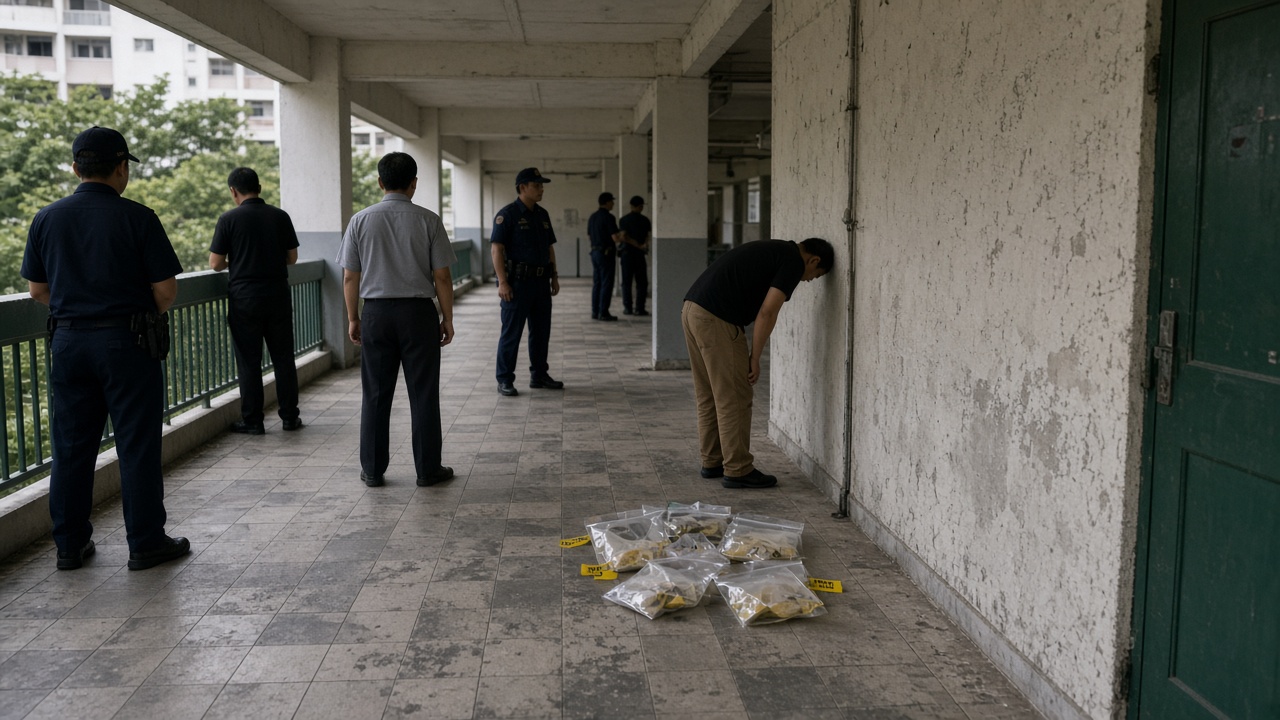
The Singapore Police Force said it is investigating 77 people, aged 19 to 80, for links to unlicensed moneylending after raids across all land divisions between 21 and 25 September, a sweep that highlights how loan-shark syndicates still recruit runners, ATM couriers and bank-account providers on the ground.
What investigators found
According to the news release dated 6 October, officers from the Criminal Investigation Department and the seven Police Land Divisions executed searches islandwide during the operation. Preliminary findings point to distinct roles: seven people allegedly harassed debtors at homes; 38 acted as runners who carried out ATM transfers; and 32 opened accounts or handed over ATM cards, PINs and internet-banking tokens to unlicensed lenders.
Investigations against all 77 are continuing. The release does not break down charges filed versus ongoing interviews, but the age spread — from teenagers to seniors — matches long-standing police warnings that syndicates target vulnerable account holders as well as young men seeking quick cash.
How the law treats helpers
Under the Moneylenders Act 2008, a person whose phone line, bank account, ATM card or banking token is used to facilitate unlicensed lending can be presumed to have assisted the business. First-time offenders face up to four years’ jail, fines between S$30,000 and S$300,000, and up to six strokes of the cane for assisting the business. Harassment-related offences carry up to five years’ jail, fines from S$5,000 to S$50,000, and mandatory caning of three to six strokes for first-time offenders.
Those penalties sit alongside separate scam and money-mule prosecutions Parliament discussed this week. Loan-shark recruitment often overlaps with the same bank-account misuse that fuels phishing cash-outs, which is why SPF groups these enforcement waves under broader financial crime pressure.
Why September’s timing matters
Police did not tie the operation to a single high-profile case, but the five-day window suggests coordinated intelligence across divisions rather than one neighbourhood tip-off. Harassment reports often spike after mid-month salary dates; ATM runners remain a low-tech way to move proceeds before PayNow tracing catches up.
For residents, the practical reminder is unchanged: selling account access or carrying cash for unknown handlers carries criminal exposure even if the participant never met the lender. Education campaigns at MRT stations and on ScamShield channels repeat that message; enforcement releases like this one show investigators still find dozens of alleged helpers in a single week.
What to do if approached
Debtors facing harassment should call police and document threats; witnesses should avoid confronting crews. Anyone asked to rent a bank account or collect packages for a “part-time job” should refuse and report the approach through the National Crime Prevention Council channels or SPF’s online reporting tools.
The force said it will continue tough action against syndicate support networks. Wednesday’s headline number — 77 under investigation — is a snapshot, not a ceiling. With unlicensed lending still advertising through encrypted chat apps, the next islandwide sweep may come as quickly as the last.