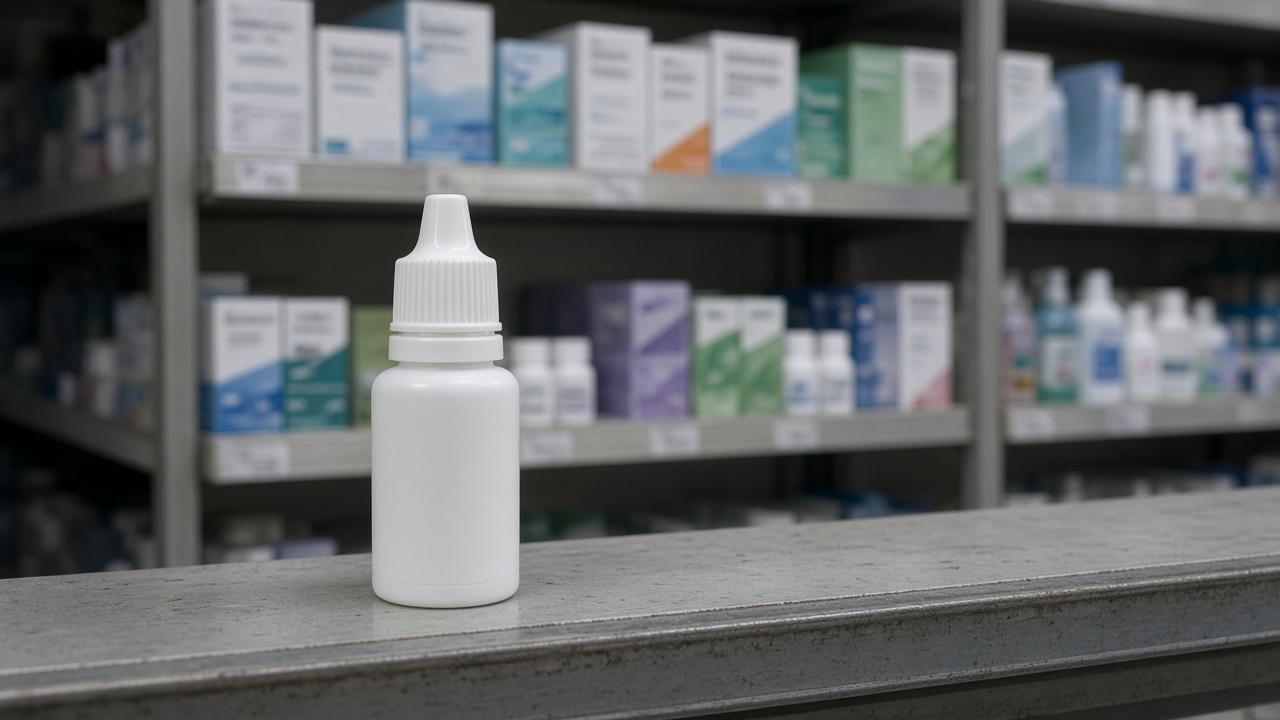
Sterling Pharmaceutical Services widened a nationwide recall of over-the-counter eye drops to 747,844 bottles and packs after federal regulators classified the action as Class II for lack of assured sterility.
The Dupo, Illinois, contract manufacturer initiated the voluntary pull on Aug. 20, 2026. An FDA enforcement update posted Sept. 29 added AvKare lot numbers and clarified labeling for nine distinct products sold under Walgreens, AvKare, Reliable-1 Laboratories, TRP, Cameron, and Major store brands.
Which products are involved
The largest single entry is Walgreens Lubricant Eye Drops, accounting for 301,114 bottles, plus 199,600 twin packs of the same formula. Other lines include AvKare carboxymethylcellulose 0.5 percent solution, Reliable-1 hypertonicity sodium chloride 5 percent drops, Gentle Eyes lubricant drops, Cameron lubricant drops, and Major LubriFresh P.M. ointment.
Class II means regulators believe any health consequences are likely temporary or medically reversible, with a remote chance of serious harm. That does not mean consumers should keep using a bottle if their lot appears on the recall list.
How to check your bottle
Match product name, national drug code, lot number, and expiration date to the FDA enforcement report rather than relying on package color alone. AvKare lots cited in the September expansion include 3161, 3245, 3260, and 3298 through 3306, with expirations running from August 2026 into July 2027.
Reliable-1 hypertonicity lots include 3192, 3293, and 3336; lubricating tear lots include 3171, 3174, 3275, and 3304. TRP Gentle Eyes lists lots 3279 and 3292; Cameron lots 3163 and 3164; Major ointment lot 3183.
What to do if you used the drops
Stop using matching bottles and return them to the place of purchase for a refund if the retailer participates in the recall program. Sterling notified wholesalers by letter; no standalone consumer press release accompanied the initial filing, so pharmacy apps may lag the FDA list.
Contact an ophthalmologist or urgent care if you develop new eye redness, pain, vision changes, or discharge after using a recalled product. Bring the bottle or a photo of the lot panel so clinicians can document the exposure.
Separate from other fall drug alerts
The FDA also posted a compounded glutathione recall from Greenwich Rx in Texas for potential endotoxin in injectable vials—a different risk profile aimed at wellness clinics, not retail eye care aisles. Consumers juggling multiple health headlines should treat each enforcement notice independently.
Pharmacists say sterile ophthalmics are sensitive to storage and handling even when manufacturing is sound. If a dropper tip touched skin or a countertop, discard the bottle regardless of recall status to avoid introducing bacteria into the eye surface.
Major retailers operating in-store clinics said pharmacists can look up lot numbers at the register even if the customer discarded the outer carton. Bring any remaining labeling or a purchase receipt to speed the lookup.
The FDA’s September classification date matters for insurers processing claims related to eye infections. Documenting the lot number helps clinicians determine whether a recalled product could explain symptoms that emerge weeks after last use.