Bharat Sanchar Nigam Limited awarded Pratap Technocrats an ₹8,025 crore contract to build BharatNet Phase-III fibre links across eight northeastern states, the Department of Telecommunications said in a late Tuesday filing. The deal is among the largest single-vendor rural broadband packages BSNL has signed since its 4G refresh began, and it ties last-mile fibre targets to the operator’s goal of densifying mobile sites in Arunachal Pradesh, Assam, Manipur, Meghalaya, Mizoram, Nagaland, Sikkim and Tripura.
Scope and timelines
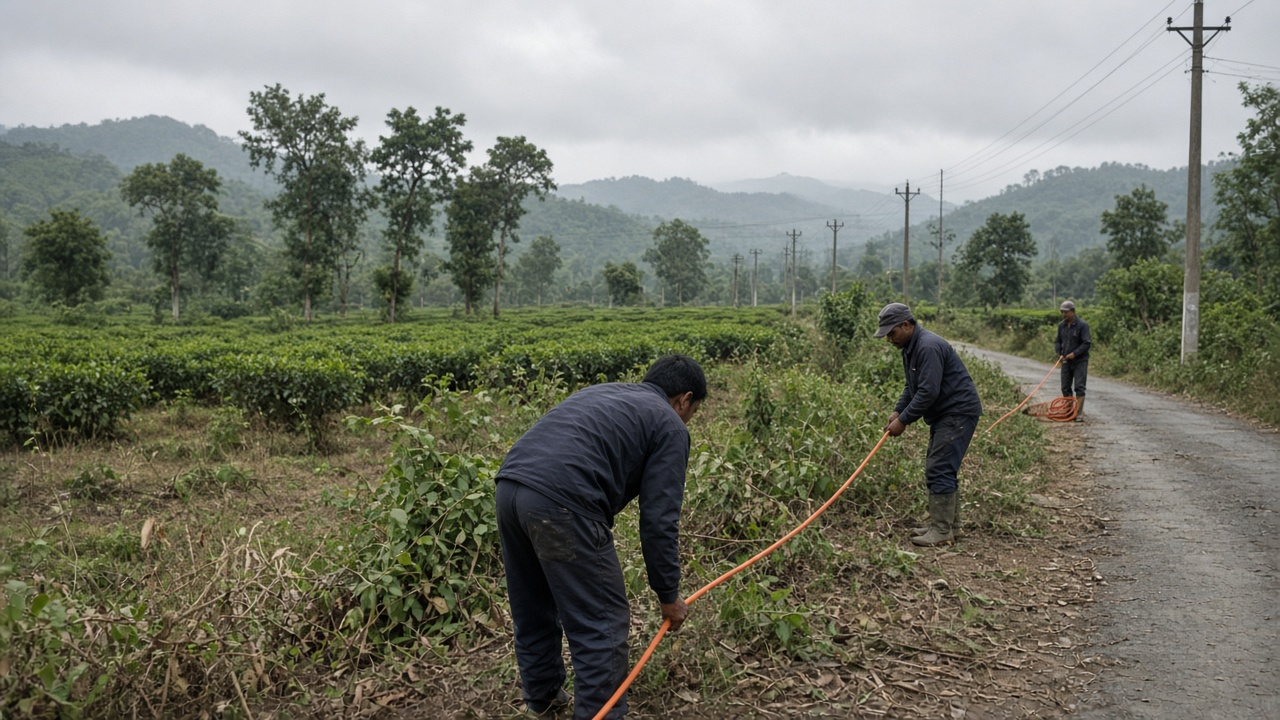
Phase-III focuses on backhaul to gram panchayats that already have BharatNet point-of-presence equipment but lack reliable transport to core networks. Pratap Technocrats will lay roughly 48,000 kilometres of optical fibre, install aggregation switches and provide operations support for seven years, according to the tender summary published on the government e-procurement portal.
BSNL officials said the contractor must meet quarterly milestones linked to live gigabit-capable panchayats, with penalties for delays that push commercial traffic onto satellite backhaul. The operator is funding the package from the Universal Service Obligation Fund and internal capex set aside in its revival plan approved by the Union cabinet last year.
Why the northeast cluster matters
Terrain and security clearances have slowed earlier BharatNet phases in the region, leaving mobile operators dependent on microwave hops that struggle during monsoon outages. Fibre backhaul is a prerequisite for the 4G radios BSNL is deploying with Tata Consultancy Services-managed core integration.
Private rivals are watching whether BSNL uses the new capacity to offer wholesale backhaul to regional internet service providers. Telecom Regulatory Authority of India data show northeastern states still lag national averages on wired broadband connections per 100 households.
Execution risks
Industry executives cited right-of-way disputes and skilled labour shortages as the main risks. Pratap Technocrats has prior BharatNet work in Rajasthan and Uttar Pradesh, but the northeast’s river crossings and landslide-prone slopes add engineering complexity. The contract allows BSNL to reassign blocks if milestones slip by more than two consecutive quarters.
For consumers, the practical test is whether panchayat-level fibre translates into stable 4G at village markets before next year’s monsoon. Until then, the award is a paper commitment—one BSNL can ill afford to miss given competitive pressure from Reliance Jio and Bharti Airtel’s rural expansion.
Competitive context
Reliance Jio and Bharti Airtel have expanded 4G footprints in Assam and Tripura using their own fibre backhaul, pressuring BSNL to catch up on quality-of-service metrics regulators publish quarterly. The Phase-III award is as much about reputation as capacity: dropped calls in border districts draw parliamentary questions each monsoon session.
State governments promised single-window clearance for trenching along national highways, but contractors report delays when forest permits overlap with wildlife corridors. BSNL’s project management unit will embed liaison officers in each capital to chase paperwork.
Universal Service Obligation Fund collections have been steady, yet disbursement lags have frustrated prior contractors. Pratap Technocrats will be paid on milestone certification rather than upfront advances, a change BSNL adopted after audits criticised earlier BharatNet spending.
Monitoring
Telecom department inspectors will audit 5 percent of trenching sites monthly, photographing depth and conduit quality. Whistle-blower hotlines advertised on BSNL towers in rural Assam aim to catch substandard work before fibres are buried and paved over.