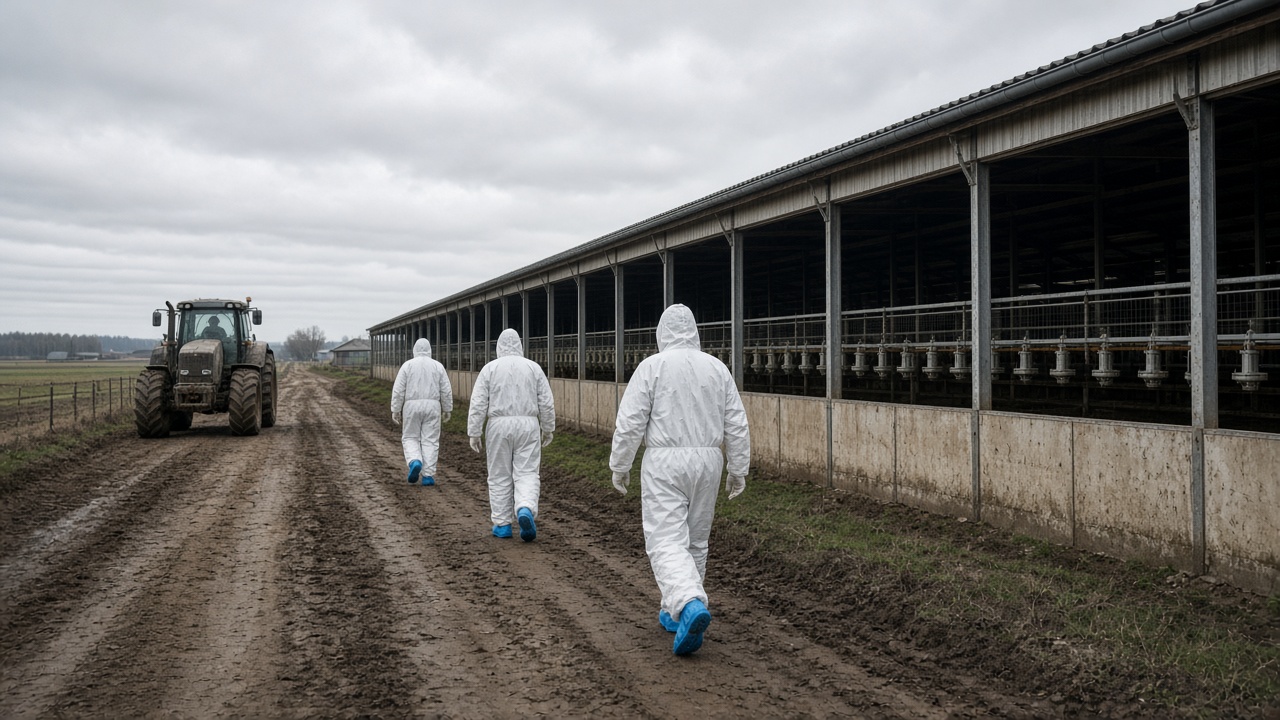
Taiwan’s Council of Agriculture convened a level-one central command for highly pathogenic H5N6 avian influenza on Oct. 7 after confirming a fifth outbreak cluster, including virus detections linked to traditional markets in Chiayi, intensifying a debate over cull compensation and poultry transport bans.
How the outbreak spread on paper
Officials had already logged cases in Hualien, Yilan and Tainan when agriculture minister Lin Tsung-hsien requested the top-tier response. A subsequent sample from Chiayi’s wholesale market pushed the cabinet to treat the event as a nationwide coordination problem rather than a regional cull.
Deputy minister Chen Chi-chung told reporters the government would expand controls along four lines: forward command posts in affected counties, higher payments for farmers who agree to early culling, stricter movement and slaughter moratoriums, and tougher inspections against illegal private slaughter.
Science behind the strain
H5N6 is a highly pathogenic avian influenza subtype that can devastate flocks within days. Taiwan’s labs use rapid PCR testing at farms and markets to block infected birds before they enter the food chain. Virologists note that sporadic human infections have occurred elsewhere when people handle sick birds without protection; Taiwan has not reported human cases tied to this wave, but health agencies continue contact tracing.
Cold-chain logistics complicate containment: eggs and meat products can carry virus on surfaces if processing lines share equipment. That is why market detections trigger wider retail checks even when farm biosecurity looked solid.
Compensation politics
Poultry farmers argue standard cull payments do not cover lost breeding stock and downtime while barns are disinfected. Opposition lawmakers pressed the Executive Yuan to emulate post-typhoon special budgets, proposing a dedicated compensation package before the Legislative Yuan returns from recess.
Retail groups warn that panic buying could spike egg prices if consumers misunderstand risk. Agriculture officials repeat that properly cooked poultry and eggs remain safe, while urging the public not to pick up dead birds or buy uninspected meat.
Environmental and trade angles
Carcass disposal must avoid contaminating waterways; environmental agencies are coordinating incineration capacity. Export markets that buy Taiwanese processed poultry are watching movement certificates closely—any documentation gap could pause shipments.
What happens next
The command center will publish daily maps of restricted zones and update market testing schedules. Researchers are sequencing isolates to see whether the Chiayi samples match earlier Hualien strains or represent a new introduction via migratory birds.
For scientists tracking zoonotic risk, the episode is a live exercise in how quickly a dense, mixed farming economy can stand up diagnostics, compensation and public messaging simultaneously. For farmers, the immediate question is whether upgraded payouts arrive before cash flow runs out.