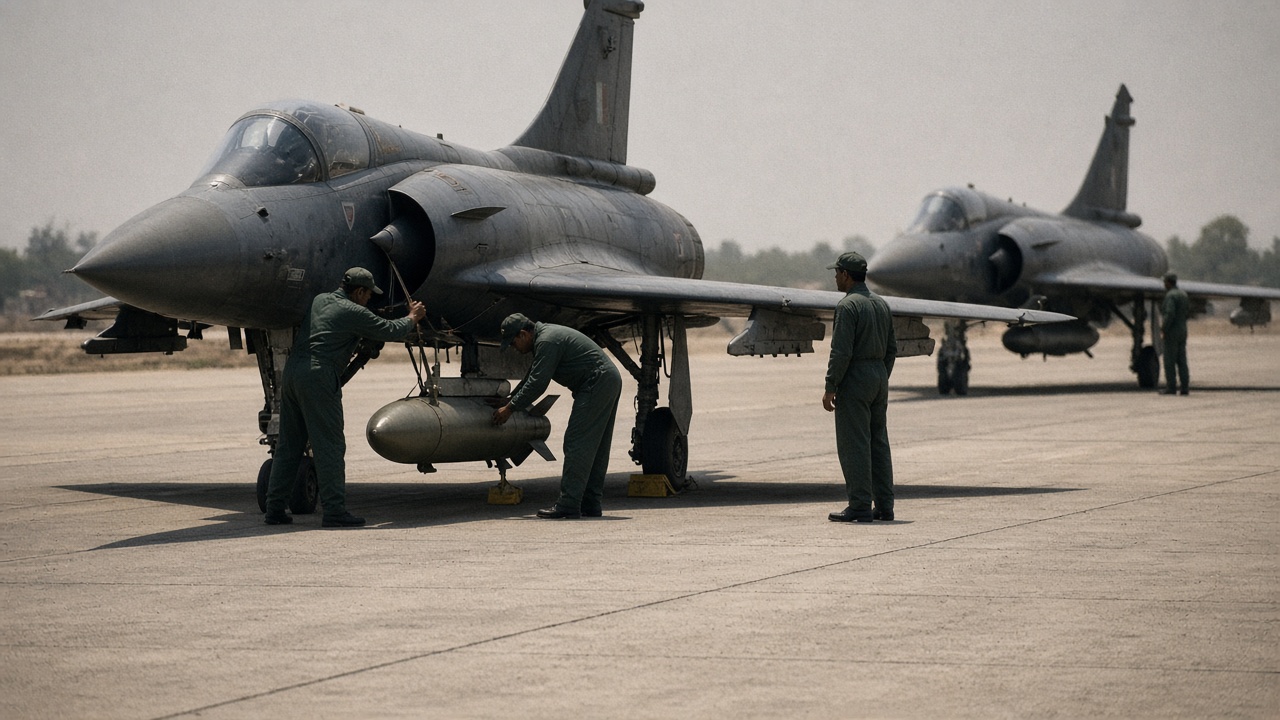
French manufacturer Dassault Aviation has agreed to integrate Indian-built weapons and avionics on the Rafale fighter, defence sources in New Delhi said Thursday, removing one of the largest technical obstacles to a long-delayed order of 114 jets for the Indian Air Force.
The concession covers Astra Mk1 and Mk2 beyond-visual-range air-to-air missiles, the Smart Anti-Airfield Weapon for runway strikes, and the Rudram anti-radiation missile used against enemy radars. Until now, Indian negotiators had pressed for access to aircraft source codes and the right to hang indigenous munitions on hardpoints France had reserved for NATO-standard kits.
What the MRFA programme needs
The Medium Role Fighter Aircraft tender is meant to recapitalise squadrons that still fly ageing MiG-21 successors and early Su-30 variants. A contract for 114 Rafales—following an earlier emergency buy of 36 aircraft—would be among the biggest defence acquisitions in Indian history, with officials valuing the package at more than Rs 2 lakh crore, or roughly $25 billion.
Sources said the government-to-government push from Paris accelerated after Prime Minister Narendra Modi’s recent engagements with President Emmanuel Macron’s team. Dassault’s weapons-integration offer does not by itself sign the contract, but it answers a question Indian test pilots and Defence Research and Development Organisation engineers had raised for years: whether Rafale would remain a French missile truck or become a platform for Make-in-India ordnance.
Industrial footprint and timelines
Negotiations now turn to how many airframes will be assembled at Dassault’s planned joint venture line in India, what percentage of components must be sourced locally, and how technology transfer will be audited. Officials said both sides are aiming to conclude main contracts by March 2027, with some aides suggesting a signature could arrive as early as late 2026 if cabinet committees clear financing and offset obligations this winter.
Hindustan Aeronautics Limited and private Indian partners are expected to compete for sub-assembly work, while DRDO laboratories will validate that integrated Indian weapons meet flight-envelope limits Dassault certifies for export customers.
Why the weapons deal matters strategically
India’s air force wants a single Western-type fighter that can share logistics with the first 36 Rafales already stationed at Ambala and Hasimara, yet still fire the same Astra and Rudram rounds being developed for Tejas and future programmes. Without integration approval, New Delhi would have been locked into expensive imports of Meteor and SCALP-class munitions for any additional Rafale squadrons.
Thursday’s understanding also sends a signal across the border: Pakistan’s induction of Chinese J-10C fighters has shortened reaction times along the Line of Control, and Indian planners want MRFA jets operational before the next standoff cycle hardens into permanent deployments.
What comes next in South Block
Defence Ministry committees must still align on payment schedules, sovereign guarantees and penalty clauses if Dassault misses delivery milestones. Parliament’s standing committee on defence is likely to demand closed hearings on per-aircraft cost, given the sticker shock of the original 36-jet deal.
For now, the breakthrough is narrower but concrete: Dassault has said yes to Indian weapons on Indian-bound Rafales. The 114-jet paperwork, officials caution, remains where it has been for a decade—close enough to touch, not yet on the minister’s desk for a signature.