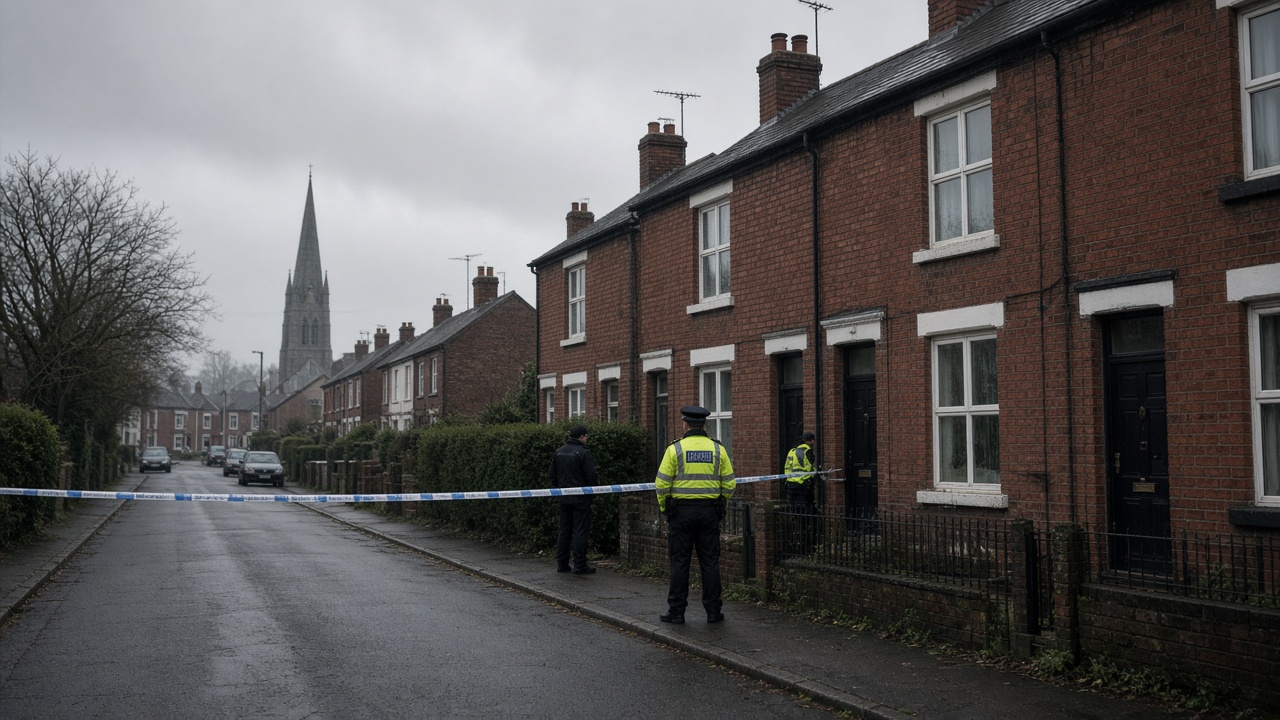
Northern Ireland's parading standoff at Drumcree entered its twelfth day on Thursday with no agreed route for an Orange Order procession down the Garvaghy Road in Portadown, as party leaders traded blame and police confirmed a major criminal investigation into street protests. Ulster Unionist Party leader Jon Burrows urged rival politicians to make a "collective appeal to contain" the dispute rather than widen it across the power-sharing institutions at Stormont.
How the blockade began
The latest confrontation dates to Sunday 27 September, when residents and activists—including senior Sinn Féin figures—blocked the road to stop about 35 Orangemen marching from Drumcree Church along a path the Parades Commission had approved earlier in the year. Video from the scene showed crowds stretching across the carriageway while marchers remained at the church grounds, reviving memories of the 1990s disputes that once required massive security operations.
The Orange Order's Portadown district lodge said it was prepared to pursue further court action to enforce the commission's decision, arguing that lawful parades were being vetoed on the street. Resident groups counter that the route remains divisive in a Catholic-nationalist neighbourhood and that any procession should follow negotiated conditions rather than court orders alone.
Political pressure on Stormont
Burrows said it would be a "mistake" for Secretary of State Chris Bryant to withdraw permission for the parade outright, but he also pressed other parties to join him in stressing that the situation must be "resolved and not multiplied." Social Democratic and Labour Party leader Claire Hanna echoed that language, telling broadcasters that leaders needed to "get a grip" before the stand-off "engulfs the wider political system."
The row has already spilled into the executive office, where Democratic Unionist colleagues tabled a motion of no confidence in First Minister Michelle O'Neill over her presence at the Garvaghy protest. Sinn Féin dismissed the move as theatrics, but it forced another round of crisis meetings at Stormont while civil servants drafted contingency plans for upcoming cross-community events.
Policing and legal tracks
Police Service of Northern Ireland officials said detectives were running a "large-scale" criminal inquiry into the demonstrations, without detailing how many files had been sent to prosecutors. Separately, the Court of Appeal is considering a residents' challenge to block the march, while the lodge's own litigation continues over commission rulings that were overturned once already in the courts this year.
The Northern Ireland Office said Bryant was continuing to engage all sides, but officials have not published a timeline for when a fresh parades determination might issue. Community workers on the ground reported rising tension in Portadown town centre, where shopkeepers said weekend footfall had dropped because of uncertainty over road closures and counter-protests.
Why the calendar matters
Although the July marching season has passed, Drumcree retains symbolic weight for unionist constituencies and for residents who remember years of sealed-off roads and military checkpoints. Burrows's intervention reflects concern within moderate unionism that prolonged street face-offs could undermine investment messaging ahead of an October budget cycle in Westminster that will set spending envelopes for Northern Ireland departments.
For now, the Order's supporters are camping on the church grounds while residents' patrols maintain a presence at the Garvaghy end. Both sides say they want a lawful outcome, but neither has publicly endorsed the compromise language Stormont mediators floated privately—leaving Thursday's appeals from Burrows and Hanna as signals that party hierarchies fear the next flashpoint may arrive without a agreed stewarding plan.