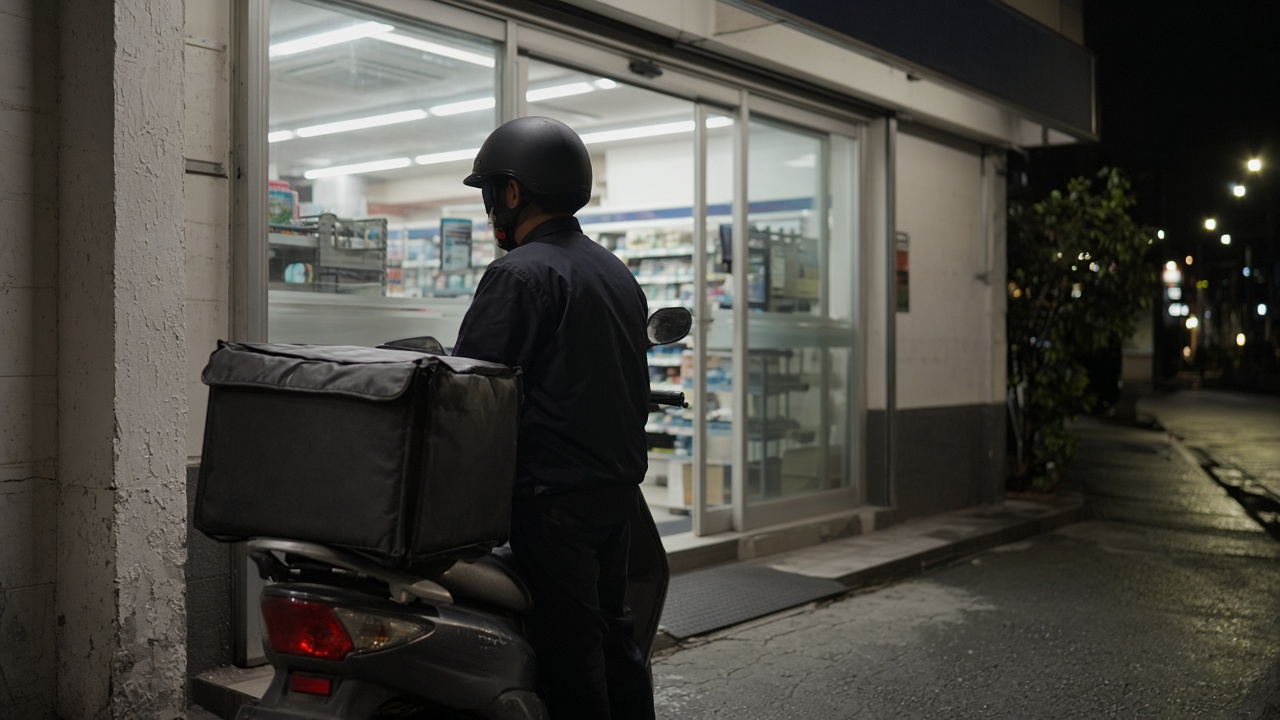
The Singapore Police Force warned on 6 October that fraudsters are targeting Lalamove delivery riders with fake “buy for me” orders that end in Roblox gift-card purchases, leaving riders holding worthless plastic after scammers redeem the codes and vanish. At least 13 cases have been reported since September 2026, with losses of at least S$2,000—a small sum by investment-scam standards but enough to wipe out a week of deliveries for a gig worker paid per drop.
How the ride turns into a loss
In the variant police described, a scammer places a Lalamove order asking a rider to buy items at one shop and deliver elsewhere. After the rider accepts, the customer messages through the platform and instructs the rider to buy Roblox gift cards from a convenience store instead. The scammer claims sharing the redemption codes will let the rider complete the job remotely without travelling to the original drop-off.
Once the codes leave the rider’s phone, the scammer redeems the cards and either goes silent or cancels the Lalamove job. The platform’s payment flow does not reimburse the gift-card spend because the purchase was not part of the quoted delivery task. Riders eat the full face value.
Why riders are exposed
Gig platforms optimise for speed: accept, buy, deliver. Scammers exploit that habit by sounding like harried customers who “cannot leave the office.” Roblox cards are attractive because they are easy to flip anonymously online. The same mechanics appeared in older Carousell and Telegram job scams; only the logistics app changed.
Lalamove’s public statements encourage riders to verify unusual requests with support channels before spending cash. Police want riders to add ScamShield, check suspicious chats against the 1799 helpline, and refuse any task requiring personal card spend outside the platform’s documented reimbursement rules.
Bigger phishing wave in the same week
The rider advisory landed amid a separate surge in social-media shopping ads that phish card details—246 cases since July with at least S$1.4 million lost, according to an earlier October release. Together the stories show scammers colonising both sides of the delivery economy: consumers clicking fake ads and riders fronting cash for fake jobs.
Households are not immune if a family member picks up gig shifts after work. Parents should recognise that a teenager doing weekend Lalamove runs could lose hundreds in minutes if they follow in-app instructions to buy gaming vouchers “for verification.”
What platforms and regulators can do
Marketplace operators can flag keywords like “gift card,” “OTP” and “remote completion” in rider chats, and pause payouts when purchase receipts do not match the job category. MAS does not supervise Lalamove, but the scam fits the broader push for scam deterrent sentences debated in Parliament the same week.
Riders who already lost money should file police reports and notify the card issuer immediately, even if recovery is unlikely. SPF’s annex materials include screenshots of the chat pattern so fleet supervisors can brief riders in Bahasa Melayu, Mandarin and Tamil shift briefings.
Practical rules on the road
Never buy stored-value products to “unlock” a delivery fee. Never share redemption codes or photos of scratched PINs. If a customer refuses to meet in person at the stated address, cancel and document the chat. ScamShield’s 1799 line operates 24/7; using it before buying beats explaining a S$200 Roblox charge to a spouse later.
The gig economy depends on trust that the person named in the app is the person at the door. These scams replace that trust with a barcode. Police want riders to treat gift-card requests as the new red flag—before the next cancelled job leaves them financing a stranger’s gaming account.