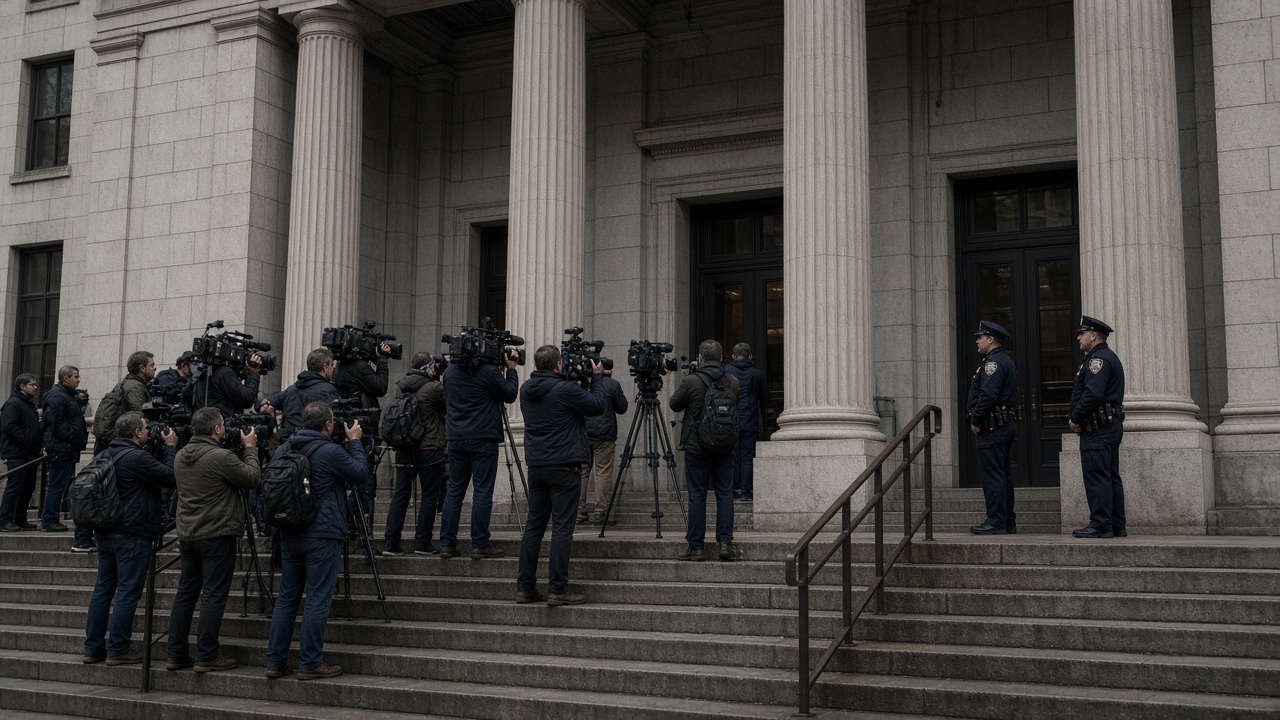
Federal prosecutors in Manhattan added conspiracy to commit torture to the criminal case against deposed Venezuelan President Nicolás Maduro and his wife, Cilia Flores, unsealing a superseding indictment on Thursday that widens the U.S. government's account of how the couple kept power after years of drug-trafficking allegations.
The new charge sits alongside narcoterrorism, cocaine-import and weapons counts the pair already face in the Southern District of New York. Maduro, 63, and Flores, 69, have pleaded not guilty to the earlier indictment and remain in federal custody in Brooklyn after U.S. forces seized them in Caracas in January and flew them to the United States.
What the filing describes
Prosecutors allege Maduro and Flores presided over a coordinated system of repression that enlisted Venezuela's military, intelligence services and police to detain opponents and extract confessions through violence. The 30-page document lists methods including electric shock, asphyxiation, rape, forced nudity, prolonged isolation, starvation and confinement in punishment cells.
Psychological pressure was part of the same machinery, according to the indictment, which cites threats to harm detainees' relatives, including children. FBI Director Kash Patel, commenting after the filing, said the Maduro government had subjected more than a dozen American citizens in its custody to torture that included drugging, electrocution and sexual assault.
The Justice Department said the couple used torture to silence dissent and entrench themselves politically, not as isolated abuses. In one episode tied to unrest in 2014, prosecutors say Maduro proposed abducting five to seven military officers suspected of disloyalty and interrogating them under torture; the filing says Flores agreed with the plan.
Americans named in the docket
Thursday's indictment threads several U.S. citizens through the narrative. One person arrested in 2022 was allegedly injected with substances that triggered seizures, prosecutors wrote. Another detained in 2023 was beaten severely; an intelligence officer allegedly told that prisoner he had been kept alive because U.S. nationality made him valuable for a potential prisoner swap.
Prosecutors also say Maduro ordered detainees tortured, received briefings on interrogations and told subordinates to intensify pressure. During a briefing about a defiant prisoner, he allegedly instructed officials to "squeeze them harder."
Court calendar and bail
At a bail hearing for Flores on Thursday, her lawyers asked to postpone arraignment on the new count because they had only received the superseding indictment that morning. U.S. District Judge Henry J. Ricardo denied bail, citing the seriousness of the allegations and Flores's access to substantial funds despite her counsel's argument that heart problems warranted release under strict conditions.
The torture conspiracy charge joins a case that began with a March 2020 indictment against Maduro and 14 co-defendants and was revived in January when a grand jury returned narcotics-related counts tied to what prosecutors describe as thousands of tons of cocaine bound for the United States. Trial is currently slated to begin in June 2027, though scheduling remains subject to the judge.
Caracas has called the January capture illegal; inside the United States, the legal fight now turns on whether additional human-rights allegations change detention conditions or plea dynamics for two defendants who were already facing decades in prison if convicted on the existing narcotics and weapons charges.