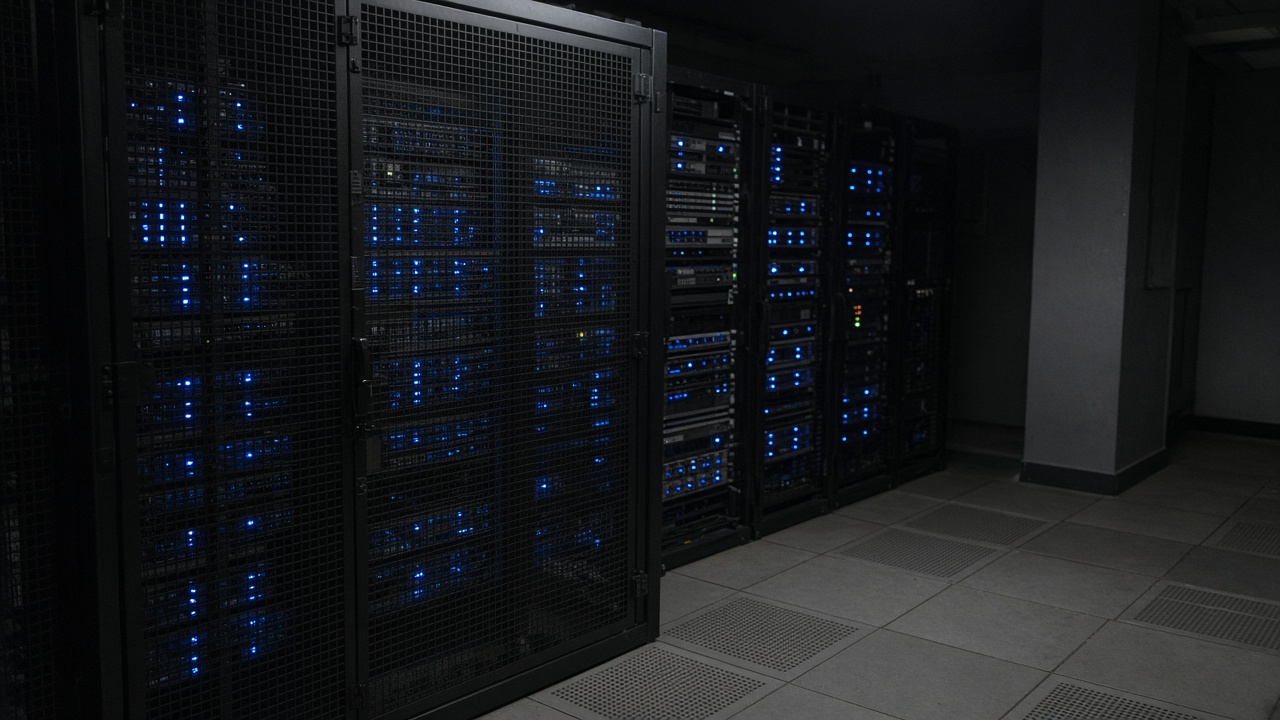
The Ministry of Electronics and Information Technology short-listed three hyperscale bidders to build a sovereign artificial-intelligence compute campus at the Indraprastha knowledge park in Delhi, according to a notice posted Wednesday on the IndiaAI mission portal. The facility is meant to host roughly 10,000 high-end graphics processing units for public-sector training runs, academic research and vetted startup workloads.
Bidder field and design rules
The ministry did not name the consortia publicly, but two people familiar with the process said the list includes a state-backed enterprise paired with a global chip vendor, a domestic cloud operator, and a joint venture between a tower company and an overseas colocation provider. Bidders must commit to liquid-cooling readiness, renewable power contracts covering at least 40 percent of load, and wastewater recycling at 30 percent of campus consumption.
Lease terms run 30 years with clawbacks if utilisation falls below 70 percent of contracted GPU hours for three consecutive quarters. MeitY will retain a golden-share arrangement allowing the government to prioritise workloads during national emergencies, similar to provisions in earlier semiconductor incentive agreements.
Sovereign compute policy
India’s AI mission has funded smaller GPU clusters in Bengaluru and Pune, but officials argued Delhi needs a flagship site with direct fibre to government data centres handling Aadhaar analytics, tax filings and weather modelling. The campus will connect to the National Knowledge Network backbone, reducing latency for universities that currently rent overseas cloud capacity.
Industry reaction
Domestic cloud providers welcomed the transparency requirements but asked for clarity on import duties for accelerators not yet manufactured in India. Foreign vendors said land and power allocations in the National Capital Region remain competitive with Hyderabad and Chennai, making Delhi viable only if the government guarantees fibre diversity across at least two routes.
Final awards are expected after financial bids open in November. Until then, researchers waiting for sovereign GPU hours will continue relying on smaller IndiaAI pods—and on commercial clouds whose prices spike whenever global model-training demand surges.
Academic access
IIT Delhi and Jawaharlal Nehru University researchers submitted joint comments asking MeitY to reserve at least 20 percent of GPU hours for non-commercial science workloads such as climate downscaling and Indic language corpus builds. Startups backed by the Startup India seed fund would receive another tranche at subsidised rates.
Cooling design is contentious in the National Capital Region, where groundwater use is restricted. Bidders proposed hybrid air-and-water systems with on-site recharge pits; environmental clearances will scrutinise diesel generator backups that some legacy data centres still rely on during summer peaks.
Chip import timelines remain uncertain for next-generation accelerators subject to US export controls. MeitY officials said the lease will allow hardware refresh every four years so India is not locked into obsolete cards if global supply shifts.
Security clearance
Operators handling government training data will need staff vetted for sensitive roles, similar to requirements at national data centres hosting tax records. Foreign cloud partners may cap the number of expatriate engineers on site during commissioning to satisfy clearance timelines.