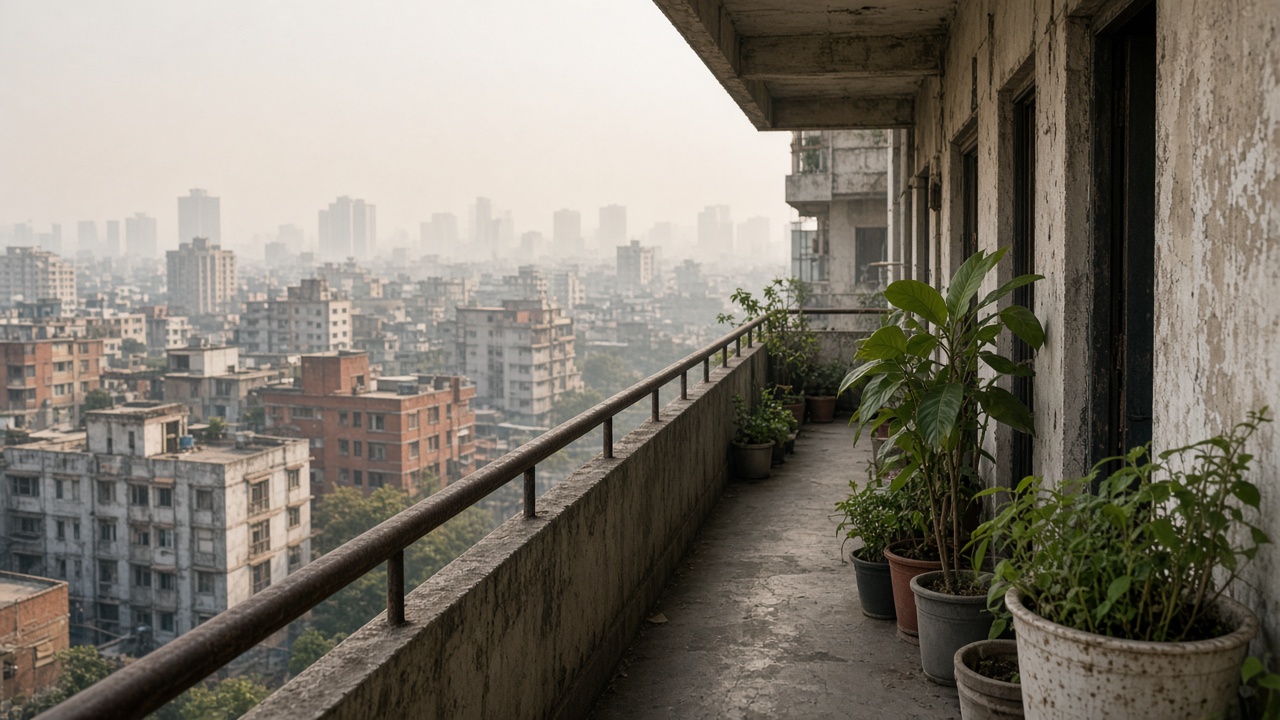
Minister for Health Ong Ye Kung’s ministry told Parliament on 6 October that public hospitals and polyclinics can activate surge beds and additional clinical teams if haze and respiratory viruses together spike clinic visits. The answer, to MP Lee Hong Chuang (Progress Singapore Party—Jurong East-Bukit Batok), sits inside a broader week where MOH also addressed rising influenza cases and the upcoming COVID vaccine schedule change starting 12 October.
What “surge” means on the ground
MOH works with the whole-of-government haze task force led by the National Environment Agency. Public healthcare institutions already maintain haze protocols: redistribute nurses from elective clinics, open fast-track respiratory queues, and postpone non-urgent day surgery when particulate levels stay in unhealthy bands. Surge beds are not new wards—they are staffed flex beds in existing wards that can absorb asthmatic seniors or children with bronchitis when GP wait times stretch past two hours.
Polyclinics in Woodlands, Jurong and Tampines typically see the first wave because they sit near industrial corridors and heavy bus traffic. When 24-hour PSI crosses into unhealthy territory, MOH advises the elderly, pregnant women, children and people with heart or lung disease to avoid prolonged outdoor exertion and to seek care if symptoms persist despite usual inhalers or antihistamines.
Influenza overlap
A separate MOH reply the same week noted influenza circulates year-round in Singapore with peaks from May to August and December to March, influenced by travel and immunity levels. The 2026/2027 Northern Hemisphere vaccine has arrived and is rolling out; uptake among people aged 65 and older from June to August matched last year’s pace. Combining haze particulates with flu creates the double hit hospitals fear—more bronchitis presentations that look like COVID until swabbed.
Healthier SG enrollees get fully subsidised influenza shots at enrolled clinics; others book via HealthHub. MOH encourages dual vaccination planning now that COVID enters the national schedules on 12 October.
Medication and masks
Pharmacies report steady sales of N95 respirators and saline rinses whenever NEA publishes sustained haze readings. MOH did not announce new subsidies for masks, but polyclinics can waive consultation fees for needy patients under existing assistance schemes when doctors certify haze-aggravated illness.
Schools follow Ministry of Education guidelines to move PE indoors when PSI thresholds hit; parents should watch SMS alerts rather than assuming children will self-limit running on concrete courts.
Private sector role
Private hospitals and GP chains mirror public triggers in their own incident commands. Raffles and Parkway groups can redirect locum doctors to high-traffic clinics near the CBD, where office workers flood in during lunch when windows cannot open. Telemedicine providers pitch video consults for mild coughs to keep infectious patients home—useful unless haze also knocks out home fibre when construction teams cut lines during F1 setup.
When to escalate care
MOH’s message is conservative: if shortness of breath, chest pain or persistent high fever appears, go to emergency regardless of PSI. For mild wheeze after walking to the market, start with a GP or polyclinic to preserve emergency capacity. The surge plan exists because past haze episodes filled waiting rooms—not because every hazy day becomes a crisis.
Singapore cannot control winds over Sumatra, but it can stage beds and staff before PSI headlines meet influenza season. Parliament’s question forced that plan onto the record just as F1 road closures complicate ambulance routing downtown—another reason hospitals want respiratory cases managed upstream in polyclinics.