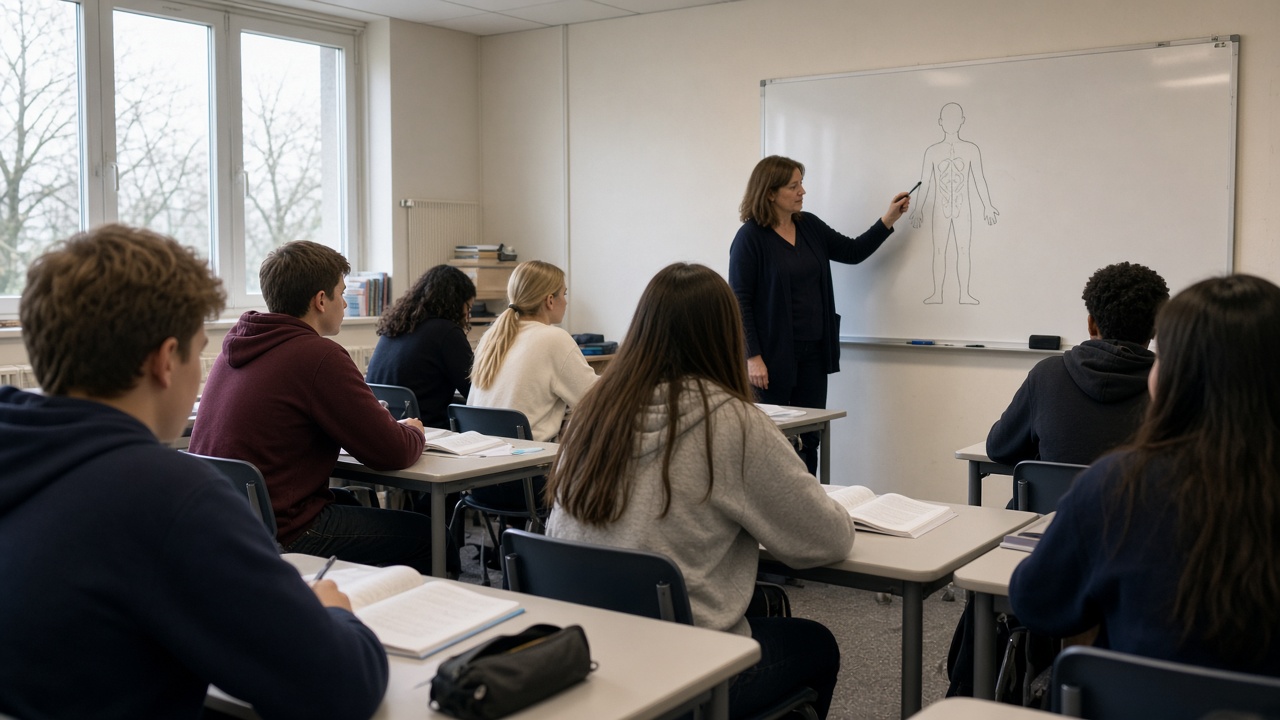
University of Sydney researchers opened recruitment for a national trial of Pain Smart, a three-lesson school module designed to improve pain literacy among adolescents as new global data show chronic pain starting far earlier than many GPs assume. The program, backed by the Medical Research Future Fund, will be tested in secondary schools across multiple states.
Companion research published in Nature Medicine analysed more than 6.1 million individuals across 119 countries, estimating that around one in six adolescents live with chronic pain and that pain experiences are common even by age five. Lead metrics show pain as a leading reason teenagers miss school and sport, not only a late-life condition.
What classrooms will cover
Pain Smart was co-developed with students, teachers and clinicians. Lessons explain how pain signals work, when to seek help, and how pacing and movement can coexist with persistent symptoms. The goal is not to replace medical care but to reduce stigma and keep students engaged when flare-ups occur.
Principal investigator Professor Andrew McLachlan said schools are an underused venue for public health messages about pain. Paediatricians have reported post-pandemic surges in headache and abdominal pain presentations; better classroom language may shorten the path from symptoms to appropriate treatment.
System pressures
State health departments are simultaneously debating private insurance changes and hospital capacity. Public waiting lists for adolescent pain clinics stretch months in major cities. A scalable education intervention cannot fix specialist shortages, but it may reduce unnecessary emergency visits driven by fear rather than red-flag symptoms.
Schools interested in joining the trial can register through the university’s portal. Ethics approval covers classroom delivery and before-and-after surveys measuring knowledge and help-seeking behaviour.
If Pain Smart proves effective, education departments could adopt it as part of health curricula—much like mental health first aid programs spread over the past decade. For teenagers whose pain is invisible to classmates, seeing the topic on a whiteboard may be the first signal that they are not alone. Parents can ask principals whether their school has registered for the trial intake or requested information packs from researchers.
GPs in regional towns have welcomed any tool that helps teenagers distinguish between acute injury and persistent pain, though they caution that classroom modules cannot replace timely referrals when red-flag symptoms appear. The trial will report interim outcomes to the MRFF in 2027.