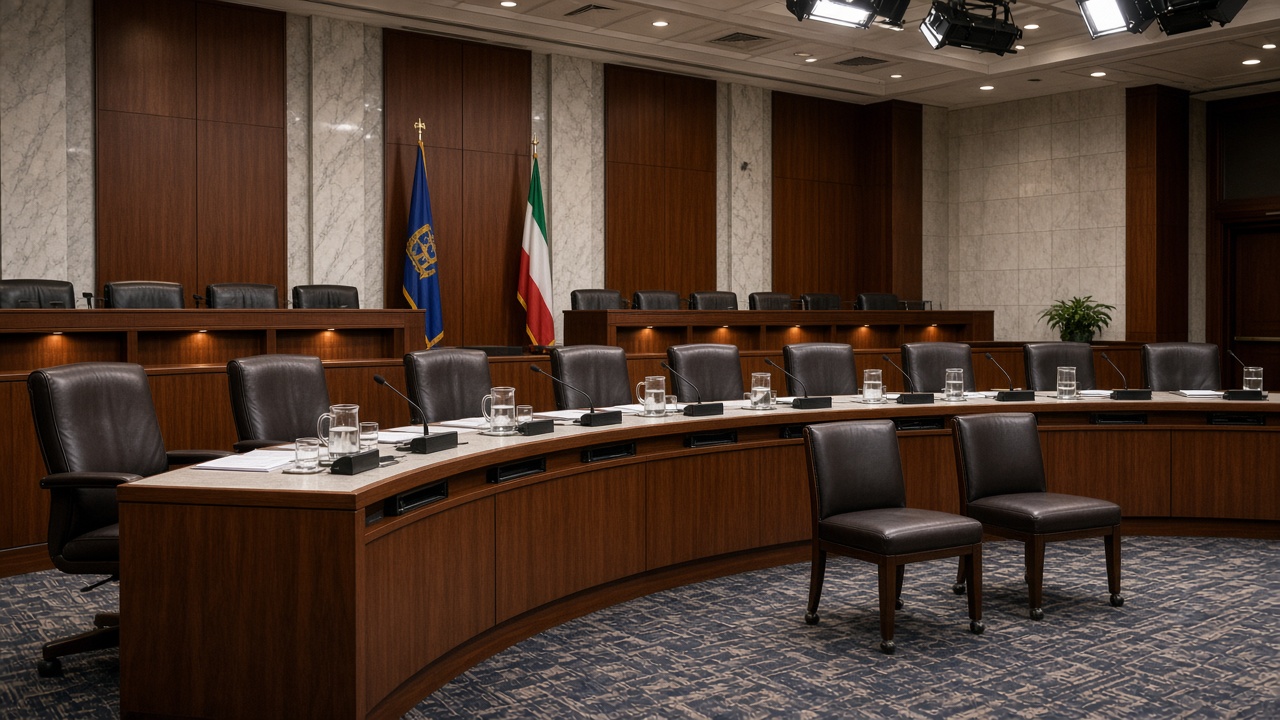
The National Assembly Welfare Committee opened its 22-day autumn audit on Tuesday with the Ministry of Health and Welfare in the first witness block, setting up clashes over youth pension premium subsidies, abortion-pill regulation, and warehouse pharmacies inside big-box retailers. Lawmakers scheduled 18 general witnesses and dozens of agency officials through Oct. 27.
Youth pension politics
The National Pension Service began accepting pre-applications Oct. 1 for the Youth First premium support program targeting people born in 2009, covering the first month’s 41,000-won contribution ahead of full rollout in January. Opposition members plan to probe take-up rates, marketing costs, and whether the subsidy shifts long-term liability without raising retirement adequacy.
Government witnesses said early enrollment is meant to habituate young workers to pension contributions before labor-market churn peaks. Critics counter that fiscal support would be better aimed at low-income elderly arrears than at teenagers with decades until payout.
Mifepristone on the agenda
Committee briefings list the Ministry of Food and Drug Safety session for Oct. 13, but welfare lawmakers already signaled they will question abortion-pill access, pharmacist dispensing rules, and hospital backup requirements. The issue intersects with conscience clauses and regional provider shortages outside Seoul.
Health ministry officials declined to preview testimony, but civil-society groups submitted petitions asking for clearer telehealth prohibitions and adverse-event reporting timelines.
Warehouse pharmacies and retail health
Another flashpoint is warehouse-format pharmacies operating inside large retail stores, which pharmacists’ associations argue undercut professional fees and blur cold-chain responsibility. Retailers say the format lowers prices for chronic medications; community pharmacists say it encourages bulk purchasing without counseling.
Audit staff requested sales volumes, inspection records, and staffing ratios for those sites, documents retailers have resisted disclosing in prior hearings.
Emergency care spillover
Although emergency medicine sits partly under different statutes, welfare members linked the new mandatory admission rules to pediatric bed data they demanded from the ministry on Monday. Expect cross-examination tying pension demographics—an aging society—to hospital capacity arguments.
Doctors’ lobbies plan parallel press conferences when witness schedules tighten, a rhythm familiar from past audits.
Tax code tangents
Separately, the Assembly is considering an income-tax exemption of up to 3 million won annually for employer-provided infertility treatment benefits effective Jan. 1, 2027. Welfare chair members may ask whether that overlaps with national health insurance fertility coverage or duplicates corporate wellness programs.
Budget officials have not scored the bill’s revenue effect; audit questioning could force a preliminary estimate onto the record.
What changes after October
Audit hearings rarely kill programs outright, but they can delay implementing decrees and shape year-end supplementary budgets. Youth pension marketing spend and mifepristone pharmacy rules are the likeliest targets for conditional appropriations.
By Oct. 27’s wrap session, the committee will publish a nonbinding resolution listing deficiencies. Ministries treat those lists as to-do items before the regular budget vote in December.