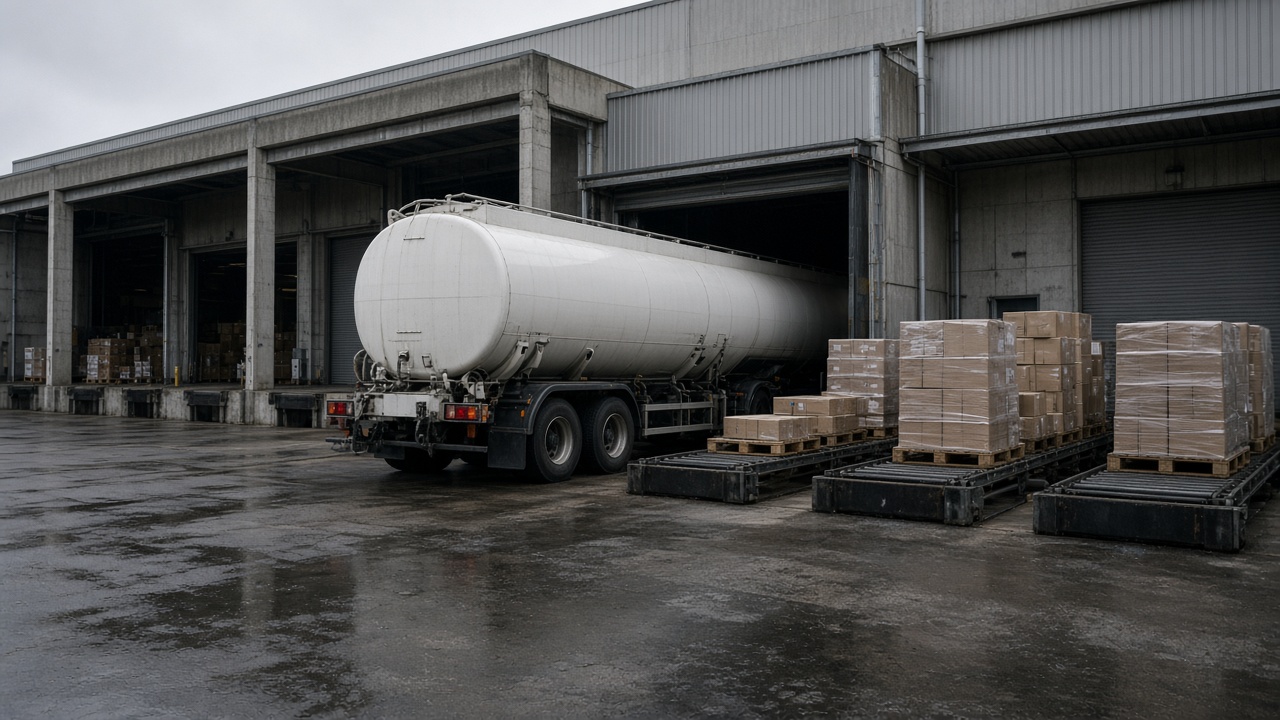
Woolworths raised the fuel levy it charges through Primary Connect to 19.88 percent in metropolitan areas this week, the latest step in a surcharge that has nearly tripled since diesel costs spiked earlier in the year. The move lands on more than 1,000 grocery suppliers whose freight runs through the retailer’s logistics network, from household names such as Arnott’s and Ingham’s to smaller regional producers.
Primary Connect moves stock from factories to Woolworths distribution centres and stores nationwide. When diesel prices jump, the business passes a percentage surcharge back to suppliers through contract clauses that adjust with fuel markets. Metro levies sat at 7.28 percent before the Middle East conflict pushed oil higher in March; within weeks the metro rate had climbed to 12.47 percent, then higher again through September.
Regional Australia is bearing a steeper increase. The regional levy rose from 44.20 percent to 50.30 percent in the most recent adjustment, up from 18.44 percent in March. Suppliers serving remote stores already pay some of the country’s highest freight costs; a levy above half the underlying freight bill is difficult to absorb without repricing or shrinking margins.
Who pays at the checkout
The Australian Food and Grocery Council has warned that someone ultimately funds higher logistics charges. Council chief executive Dr Danny Moushi said continually pushing fuel costs through the chain would reach shoppers. “At these fuel levy rates, that will be Australian consumers at the check-out,” he told ABC Radio.
Woolworths has not published a shelf-price forecast tied to the levy. Economists note freight is only one input in grocery pricing, so a one-for-one pass-through is unlikely. Still, Reserve Bank governor Michele Bullock told reporters after the September rate decision that businesses were preparing to pass on higher fuel costs if inflation pressures persisted. Annual headline inflation printed at 4.0 percent in the latest monthly indicator, with housing and fuel among the contributors.
For Woolworths itself, the levy is a contractual mechanism rather than a profit line item, but it shapes relationships with suppliers negotiating promotional funding and ranging decisions. Terry Bowen joined the Woolworths board on 1 October, bringing Wesfarmers and Coles finance experience as the group navigates a consumer backdrop of higher mortgage rates and cautious discretionary spending.
Rate rises meet supply-chain inflation
The surcharge increase follows the RBA lifting the cash rate to 4.60 percent in September, its highest level in 15 years. Woolworths flagged at its August full-year results that the economic environment would remain challenging. Same-store sales have held up, helped by food inflation and loyalty programs, yet management has stressed productivity and cost control as wage bills rise.
Suppliers now face a dual squeeze: higher borrowing costs on working capital and rising freight levies on every pallet into Primary Connect. Some manufacturers will seek offsetting price rises in trade negotiations; others may cut promotional depth or slow innovation launches. Either path feeds back into how aggressively Woolworths can market “price dropped” campaigns without eroding gross margin.
Primary Connect said the adjustments reflect market diesel prices. The test for regulators and politicians is whether concentrated grocery logistics markets leave suppliers with realistic alternatives. For now, the numbers on supplier invoices are clear: metro 19.88 percent, regional 50.30 percent, with no sign that global oil markets are easing the pressure.