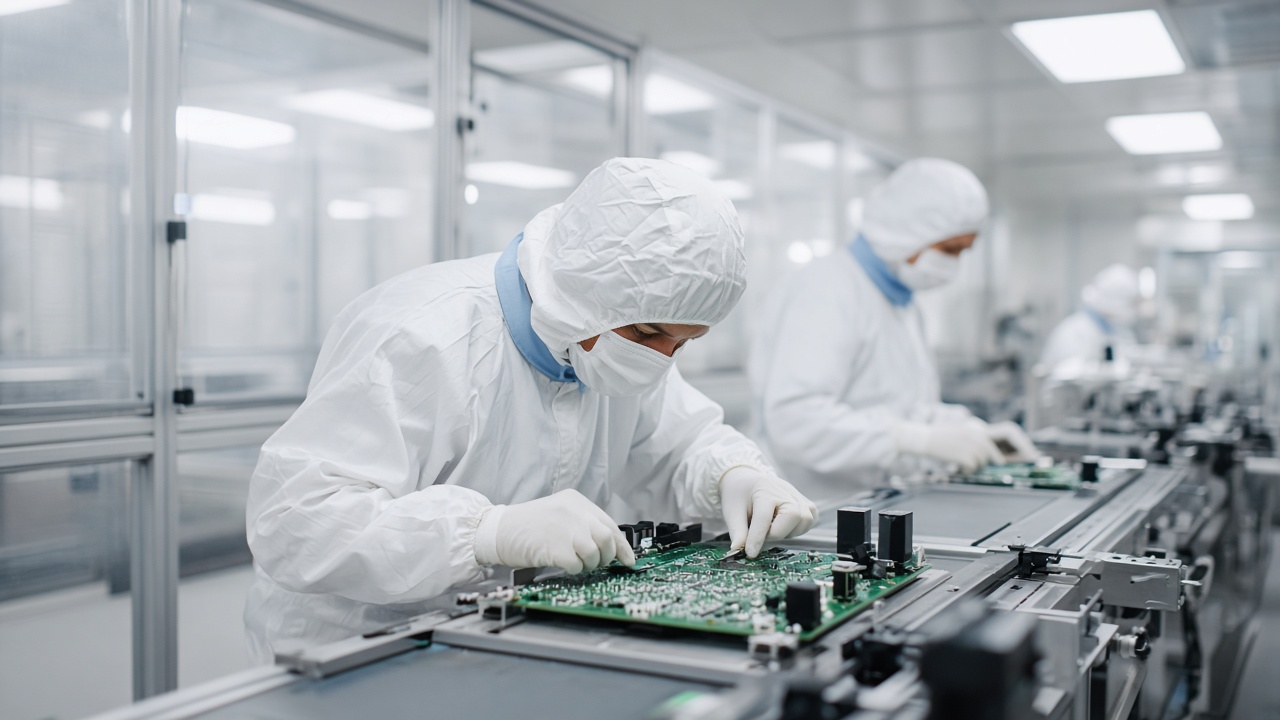
The Bank of Japan said Thursday that brisk demand for AI servers and related electronics is lifting factory output in Hokuriku and Shikoku, enough to upgrade its economic assessment for those two of nine regions.
Demand showing up on the factory floor
Branch managers reported fuller order books at machinery and telecommunications equipment plants serving data-center buildouts. That strength partially offsets auto-sector softness linked to higher oil prices, giving the BOJ a split picture heading into the Oct. 29 policy meeting.
At the same time, the Sakura report stressed that firms closer to consumers are raising prices more frequently than in past cycles, passing through yen weakness and Middle East-linked commodity spikes.
Policy read-through
Markets still price a pause after the BOJ’s recent hike, but former officials have put a 20–30 percent probability on another move as soon as this month. Regional upgrades give Governor Kazuo Ueda ammunition if he wants to argue the economy can absorb tighter settings, even as global bond volatility rattles equities.
For corporate planners
Suppliers serving GPU racks should expect longer lead times through year-end, while food and household-goods buyers face continued list-price bumps. The BOJ’s message is symmetrical: growth engines exist, but inflation is no longer confined to imports.
Price pass-through detail
Branch anecdotes highlighted snack makers and beverage bottlers raising list prices twice within a quarter, a faster cadence than the BOJ saw during the 2022 import shock. Restaurants in tourist areas said they are testing smaller portion sizes before posting higher menu numbers, a margin tactic that still registers as inflation in household surveys.
Energy distributors also filed notices for October fuel surcharges, linking Middle East supply risk directly to utility bills. That channel keeps pressure on the BOJ even if Tokyo equities wobble.