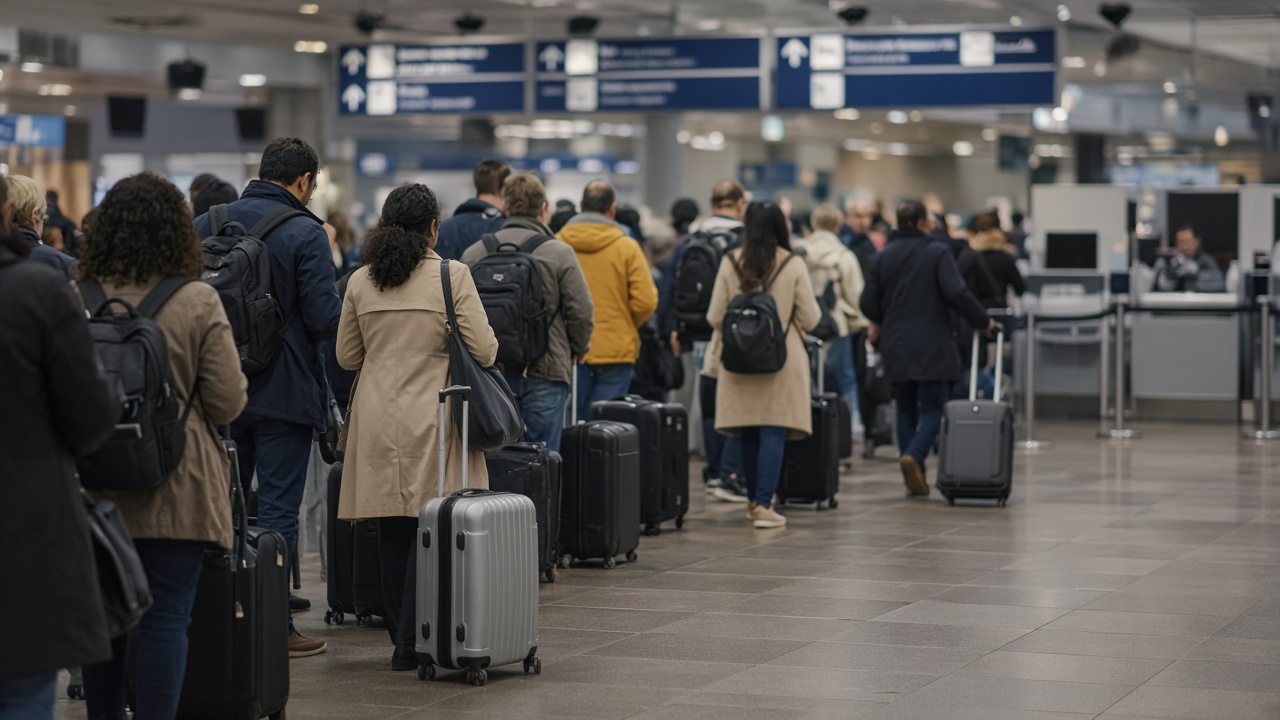
U.S. Customs and Border Protection has stopped routinely stamping passports during primary inspection, shifting the proof of legal admission for most international travelers to electronic records that must be checked online or through the agency's mobile app.
In an Oct. 1 bulletin, CBP said ending ink stamps during initial interviews will streamline lines and cut operating costs. Officers may still stamp passports in secondary inspection or when travelers ask, but the agency no longer guarantees a souvenir imprint for every arrival.
Why the stamp mattered
For decades, a U.S. admission stamp was the quickest way for visitors to see how long they could remain and whether they entered on a tourist waiver, student visa, or temporary work status. Employers, universities and landlords sometimes photocopied the stamp when verifying eligibility.
CBP has recorded admissions electronically since 2013, but many travelers ignored the I-94 website until a missing stamp caused problems at departure or during a future visa interview. The new policy makes that digital record the default source of truth.
What to do when you land
Within a day of entering the United States, visit i94.cbp.dhs.gov or use the CBP Link app to download your most recent admission. Confirm your name, passport number, class of admission — such as B-2 tourism or F-1 study — and the "admit until" date. Visa Waiver Program travelers usually receive 90 days, while B-1/B-2 visa holders may see up to six months depending on the officer's discretion.
Save a PDF screenshot in cloud storage and email a copy to whoever manages your immigration paperwork. If the record is missing or wrong, contact the deferred inspection office at the airport where you entered before the error propagates to other agencies.
Stamp collectors and frequent flyers
Travelers who enjoy passport art can still politely request a stamp, and CBP guidance says officers may oblige when appropriate. Do not delay the line arguing, though — the request is discretionary, and peak arrival banks at hubs such as Miami, New York JFK and Los Angeles already run long after the policy change.
U.S. citizens and lawful permanent residents are unaffected in the same way because they do not receive I-94 forms, but mixed-status families should make sure visiting relatives understand the digital shift before they book return flights tied to a specific admit-until date.
Airport logistics this month
Separately, the Transportation Security Administration confirmed late September that travel document checkers will stand rather than sit at ID podiums nationwide. That change does not alter which IDs are acceptable — REAL ID-compliant licenses, passports and Trusted Traveler cards still work — but it means having documents ready before you reach the officer can shave seconds off busy morning banks.
Together, stampless entry and standing document checks nudge travelers toward preparation over paperwork theater. The habit to build now is simple: land, clear customs, and verify your I-94 before you leave the airport Wi-Fi.